Creatine for Women: The Complete Science-Backed Guide to Benefits, Dosage, and Myths (2026)
Creatine for women: science-backed benefits for brain health, menopause, exercise, dosage, myths, and the best supplements for women in 2026.
Creatine for Women: The Complete Science-Backed Guide to Benefits, Dosage, and Myths (2026)
Here is something that might surprise you: creatine is one of the most studied supplements in existence, with over 500 peer-reviewed papers to its name -- yet most of the research, marketing, and conversation has been aimed at men. Women have been largely left out of the picture, even though the science suggests they may have more to gain from supplementing with it than men do. If you have been wondering whether creatine for women is worth considering, the short answer is yes -- and the evidence is stronger than you might expect.
If you have ever walked past the creatine tubs at the supplement store and thought "that is not for me," you are not alone. A lot of women assume creatine is just for the guys lifting massive weights in the squat rack. Others worry it will make them look bulky, cause hair loss, or mess with their hormones.
I have spent a lot of time digging through the clinical research on creatine, and what the data actually shows is quite different from the popular narrative. This guide covers everything: what creatine does, why women specifically may benefit, what the science says about brain health, menopause, exercise, mood, and aging, how to dose it, which products are worth buying, and -- importantly -- which myths need to die.
What Is Creatine and Why Should Women Care?
Creatine is a naturally occurring compound that your body produces in the liver, kidneys, and pancreas. You also get small amounts from food -- mostly red meat and fish. About 95% of it is stored in your skeletal muscles, and the remaining 5% goes to your brain, heart, and other tissues.
Here is what creatine does at the cellular level, in plain language. When your muscles (or your brain) need energy fast, they use a molecule called ATP. Think of ATP as the battery that powers every cell in your body. The problem is that your ATP supply gets depleted quickly during intense activity. Creatine steps in as a sort of energy "buffer" -- it helps recycle spent ATP back into usable energy, faster than your cells could do it on their own. That is the fundamental mechanism, and it is the reason creatine improves performance in short, high-intensity efforts.
Now here is the part that matters for women: research suggests that women naturally store less creatine than men, likely due to hormonal differences. Women also tend to have lower dietary intake, especially those who eat less red meat or follow plant-based diets. A 2026 study in Annals of Nutrition and Metabolism found a "high prevalence of low creatine intake" among individuals following common special diets, with restrictive or plant-forward regimens being particularly associated with insufficiency.
This means women may have more room for improvement when they supplement with creatine. And the benefits go far beyond the gym -- creatine affects your brain, your bones, your mood, and how your body handles the hormonal shifts of menopause.
Key takeaway: Creatine is not gender-specific. It is a fundamental cellular energy molecule that every human body uses. Women may actually stand to benefit more from supplementation because their baseline stores are often lower.
If cellular energy interests you, you might also want to check out our guide to NMN supplements -- another compound that supports energy production at the cellular level, but through a different pathway.
Does Creatine Make Women Bulky? (And 4 Other Myths, Debunked)
The number one reason women avoid creatine is the fear of getting bulky. Let's deal with that directly.
Myth 1: "Creatine makes women bulky"
This is the big one, and it is simply not supported by the evidence. Here is what actually happens when you take creatine: it draws water into your muscle cells (intracellular water retention). Your muscles may feel fuller and slightly firmer. But this is water inside the muscle fiber -- not fat, not subcutaneous water under the skin, and certainly not masculine muscle hypertrophy.
Women typically have 10 to 30 times less testosterone than men. Bulking up -- the kind of visible, masculine muscle growth people picture -- requires both heavy resistance training and the hormonal environment to support it. Creatine alone will not create that. What the studies actually show is modest improvements in strength and lean mass, without any "masculine" changes in body composition.
A 2025 real-world study published in the Journal of the International Society of Sports Nutrition tracked 71 female football players over an entire 32-week competitive season. These were women taking it daily -- 20g per day for the first week, then 5g per day for the rest of the season. The result? No adverse effects on body composition or any safety markers. Just improved performance capacity.
Myth 2: "It is only for bodybuilders"
The research has moved far beyond the gym. Studies now support its role in cognitive function, bone health, mood regulation, and healthy aging. You do not need to lift weights to benefit. We will get into the details shortly.
Myth 3: "It causes kidney damage"
Multiple long-term studies have found no evidence that it damages healthy kidneys. A comprehensive 2025 review published in Frontiers in Nutrition specifically addressed this concern, along with other safety fears. Their conclusion: "studies consistently show no adverse effects on renal function in healthy individuals." The one caveat: if you already have kidney disease, talk to your doctor first. It is processed by the kidneys, so pre-existing conditions change the equation.
Myth 4: "It causes hair loss"
This myth traces back to a single 2009 study on rugby players that found supplementation increased DHT (dihydrotestosterone) levels. The problem? No subsequent study has replicated that finding. The original study had only 20 participants, measured DHT but not actual hair loss, and the results have never been confirmed in the 17 years since. The current consensus among researchers is that there is no credible evidence linking this supplement to hair loss in women (or men, for that matter).
Myth 5: "You should cycle off it"
There is no scientific basis for cycling monohydrate. Your body does not build a "tolerance" to it. It works by saturating your muscles with phosphocreatine -- once they are saturated, you just maintain that level with daily intake. Stopping and restarting only means you lose saturation and have to build it back up.
7 Science-Backed Benefits of Creatine for Women
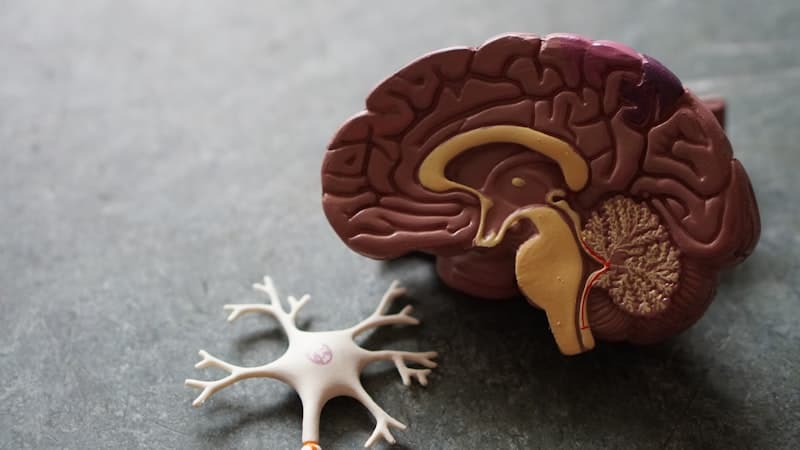
The research on creatine covers far more ground than most people realize. Here are the benefits with the strongest evidence behind them.
Exercise Performance and Recovery
This is the most established benefit. Creatine supplementation improves strength, power output, and recovery between sets. The International Society of Sports Nutrition position stand concludes that creatine monohydrate is "the most effective ergogenic nutritional supplement currently available to athletes in terms of increasing high-intensity exercise capacity and lean body mass during training." For women specifically, the benefits include better performance in resistance training, high-intensity intervals, and sprint-based activities.
The practical upside: you can train harder, recover faster between sets, and see incremental strength gains over time. Not dramatic -- but meaningful and consistent.
Brain Health and Cognitive Function
Your brain uses about 20% of your body's total energy, and it relies on the same ATP recycling system that creatine supports in muscles. This is not theoretical -- a 2026 systematic review published in Nutrition Reviews specifically examined creatine for brain health in older adults. After analyzing all available studies, the authors found that five out of six studies (83.3%) reported a positive relationship with cognition, particularly in the domains of memory and attention.
This is especially relevant for women on low-calorie diets or during menstruation, when cognitive resources are under additional stress. Research has shown that supplementation can reduce mental fatigue and improve cognitive performance under conditions of sleep deprivation, stress, and calorie restriction.
Bone Density and Injury Prevention
This is an emerging area, and the evidence is promising but still early. A 2026 systematic review in Sports Medicine - Open examined nutritional strategies added to strength training in postmenopausal women -- including creatine -- and its effect on body composition, strength, and bone mineral density. The review confirmed that strength training itself reliably improves bone mineral density, but found only four creatine-specific studies and concluded the added benefit from supplementation was not yet strong enough to make firm recommendations. Treat the bone-density angle as a reasonable bet that needs more confirmation, not a settled fact.
This matters because women are at significantly higher risk for osteoporosis than men, particularly after menopause. Anything that supports bone mineral density is worth paying attention to. For a broader look at minerals that support bone and nerve health, see our magnesium supplement comparison guide -- magnesium plays a complementary role alongside resistance training.
Mood and Depression Support
This is one of the more surprising areas of creatine research, though the evidence is genuinely mixed. A 2025 systematic review and meta-analysis in the British Journal of Nutrition pooled 11 trials (1,093 participants) and found a small, statistically significant reduction in depressive symptoms -- but the authors rated the overall certainty of evidence as "very low" and cautioned that the average effect may be trivial or null. In other words, the headline is promising but the data are far from settled. The proposed mechanism involves creatine's role in brain energy metabolism -- depression has been linked to impaired energy production in certain brain regions, and creatine may help correct that deficit.
The most encouraging signal comes from women specifically: a 2012 randomized, double-blind, placebo-controlled trial in the American Journal of Psychiatry found that adding 5g/day of creatine to an SSRI produced a faster and larger reduction in Hamilton Depression Rating Scale scores in women with major depressive disorder than the SSRI alone. This was a small study, so treat it as a lead rather than a verdict. Creatine is not a replacement for therapy or medication, but it may be a potentially meaningful addition to a broader treatment plan -- discuss it with your prescriber first.
Menopause Support
This deserves its own deep dive, and we will get to that in the next section. The short version: declining estrogen during perimenopause and menopause affects how your body synthesizes and uses creatine. Supplementing may help address the bone density loss, cognitive fog, mood changes, and muscle wasting that many women experience during this transition.
Healthy Aging and Muscle Preservation
Sarcopenia -- the age-related loss of muscle mass and function -- affects everyone, but it hits women harder and earlier, partly because women start with less muscle mass to begin with. A 2026 study in Biogerontology found that creatine supplementation (combined with beta-hydroxy-beta-methylbutyrate) was associated with preserved glutathione redox balance in older adults, hinting at antioxidant and cytoprotective effects alongside the well-known muscle benefits -- though the authors noted the effects were modest and did not remain statistically significant after correction for multiple comparisons.
The takeaway: creatine helps older adults maintain functional strength, balance, and independence for longer. For women exploring creatine benefits for women over 40, the aging-support evidence is among the most compelling reasons to start.
Potential Metabolic Benefits
The research here is preliminary but interesting. Some studies suggest creatine may improve glucose metabolism and insulin sensitivity, possibly by increasing muscle mass (muscle tissue is metabolically active and helps regulate blood sugar). This is not yet conclusive, but it is an active area of research, particularly for women at risk of type 2 diabetes or metabolic syndrome.
Benefits at a Glance
| Benefit | Evidence Strength | Most Relevant For |
|---|---|---|
| Exercise performance | Strong | Active women, athletes |
| Cognitive function | Moderate-Strong | Women over 40, students, professionals |
| Bone density | Promising (early) | Postmenopausal women |
| Mood/depression support | Mixed / early (very low certainty) | Women with mild-moderate depression |
| Menopause support | Growing | Perimenopausal & postmenopausal women |
| Healthy aging / muscle preservation | Strong | Women over 50 |
| Metabolic health | Preliminary | Women at risk for metabolic syndrome |
Creatine and Menopause -- A Closer Look

If you are a woman navigating perimenopause or menopause, this section is for you. Creatine and menopause is also one of the most under-discussed topics in the supplement conversation.
Here is the biological context. Estrogen plays a role in how your body produces and utilizes creatine. When estrogen levels decline during menopause, several things happen simultaneously:
- Muscle mass decreases -- Women can lose 1-2% of muscle mass per year after menopause
- Bone mineral density drops -- The risk of osteoporosis increases significantly
- Cognitive changes occur -- Many women report brain fog, memory issues, and difficulty concentrating
- Mood shifts -- Increased risk of anxiety and depression
- Hot flashes and thermoregulation issues -- Creatine has been explored for its potential role in body temperature regulation
Creatine supplementation addresses several of these concerns at the same time. It supports muscle preservation, may help maintain bone density when combined with resistance training, provides cognitive benefits (especially relevant when brain fog hits), and supports mood regulation.
The 2026 systematic review on postmenopausal women identified four studies specifically examining creatine in this population, combined with strength training. While the authors noted that the available data is "still insufficient to derive specific and evidence-based recommendations," the direction of the evidence is consistently positive.
This is also a nearly competition-free topic in online content. Most articles target young male athletes, leaving menopausal women with very little targeted information. If this describes you, know that the science supports exploring creatine supplementation as part of a broader approach to managing menopause-related changes -- ideally alongside resistance training and in consultation with your healthcare provider. For sleep and anxiety support during menopause, our magnesium guide covers which types of magnesium work best for those specific concerns.
How Much Should Women Take? Dosage Guide

Let's cut through the confusion with clear, actionable recommendations.
Standard Dose
3-5g of creatine monohydrate per day. That is it. No loading phase required, no complicated timing protocols. Just a consistent daily dose.
The Loading Phase -- Do You Need It?
A loading phase typically involves taking 20g per day (split into 4 doses) for 5-7 days, then dropping to 3-5g daily. This saturates your muscle stores faster -- in about a week instead of 3-4 weeks.
Do women need it? No. Loading works, but it also increases the likelihood of water retention and digestive discomfort during that first week. Most women I have heard from prefer the slower approach: 3-5g per day from the start. You reach the same endpoint; it just takes a bit longer.
Body Weight Considerations
If you are on the smaller side (under 120 lbs / 55 kg), 3g per day is likely sufficient. Larger women can aim for the full 5g. The research generally supports 0.03-0.05g per kilogram of body weight per day as a reasonable range.
Timing
It does not matter much. Some studies suggest a slight advantage to taking it post-workout, but the effect is small. The most important thing is taking it consistently, at whatever time you will remember.
How Long Before You Notice Effects?
| Timeframe | What to Expect |
|---|---|
| Week 1-2 | Muscles may feel fuller (water retention). Slight strength bump possible. |
| Week 3-4 | Noticeable improvements in workout performance and recovery. |
| Month 2-3 | Lean muscle gains, improved recovery, possible cognitive and mood benefits. |
| Month 4+ | Longer-term benefits build gradually -- bone density, metabolic, aging support. |
Quick Dosage Reference
| Your Situation | Recommended Daily Dose | Notes |
|---|---|---|
| General health, non-exerciser | 3g | Brain and bone benefits still apply |
| Active woman, regular exercise | 3-5g | Standard dose |
| Woman over 50, concerned about aging | 3-5g | Combine with resistance training for best results |
| Athlete or heavy trainer | 5g | Post-workout timing slightly preferred |
Side Effects for Women -- What to Actually Expect

Let's be honest about side effects, because the internet has a way of amplifying fears.
Water Retention
This is the most common "side effect," and I put that in quotes because it is not really a problem. Creatine pulls water into your muscle cells (intracellular water). Your muscles may look and feel fuller. The scale might go up 1-3 pounds in the first couple of weeks. This is water, not fat. It is a sign that the creatine is doing what it is supposed to do.
If the number on the scale bothers you, consider tracking how your clothes fit and how you perform in workouts instead. Those are far more meaningful measures of progress.
Digestive Issues
Some people experience mild bloating, gas, or stomach discomfort, especially during a loading phase or when taking a full 5g dose on an empty stomach. This is usually mild and temporary. If it bothers you, split your dose (e.g., 2.5g with breakfast and 2.5g with dinner) or take it with food.
Who Should Talk to a Doctor First
- Kidney conditions -- If you have any form of kidney disease, consult your doctor. Healthy kidneys handle creatine without issue, but compromised kidneys may not.
- Pregnancy and nursing -- There is not enough safety data for these populations. The 2025 Frontiers in Nutrition review specifically noted that "evidence is lacking for these populations." Better to wait.
- On medication -- If you take any prescription medications, especially for blood pressure or blood sugar, have a quick conversation with your doctor about potential interactions.
Long-Term Safety
The 32-week study on female football players is the longest real-world data we have specifically on women. No adverse effects on kidney function, liver function, or any other biochemical markers. The broader research, including studies lasting up to 5 years in mixed populations, tells the same story: creatine monohydrate is safe for long-term daily use in healthy individuals.
Best Creatine Supplements for Women in 2026

Before we get to specific products, let's establish the framework for choosing a good supplement.
Why Monohydrate Is the Gold Standard
You will see HCL, ethyl ester, buffered forms, nitrate, and all sorts of "advanced" forms on the market. Here is the truth: none of them have been shown to outperform creatine monohydrate in head-to-head studies. It is the most researched, the most cost-effective, and the most proven form. Everything else is marketing.
What to Look For
- Creapure label -- This is a German-manufactured form known for exceptional purity (99.9%+). It is widely considered the gold standard for raw material sourcing.
- Third-party testing -- Look for products tested by NSF, Informed Sport, or other independent labs. This verifies that what is on the label is actually in the tub.
- Micronized -- The particles are ground smaller, which mixes better and may be slightly easier on the stomach. Not essential, but nice.
Forms: Powder vs. Capsules vs. Gummies
| Form | Pros | Cons |
|---|---|---|
| Powder | Cheapest per serving, easy to adjust dose, mixes into any drink | Need to measure, some people dislike the texture |
| Capsules | Convenient, no measuring, easy to travel with | More expensive per serving, may need 4-6 capsules for a full dose |
| Gummies | Tasty, easy to remember | Most expensive per serving, added sugars, dose may be lower (typically 1-2g per gummy) |
For most women, powder is the practical choice. If you travel a lot or just hate mixing powders, capsules are a reasonable alternative. The best creatine for women is simply a high-quality, third-party tested monohydrate -- no gender-specific formulation required.
Product Comparison
Disclaimer: We are not affiliated with any of these brands. This is informational content, not medical advice. Always consult your healthcare provider before starting any supplement.
| Brand | Form | Per Serving | Third-Party Tested | Price (Monthly) | Standout Feature |
|---|---|---|---|---|---|
| Optimum Nutrition Micronized | Powder | 5g | Yes (Informed Choice) | $10-15 | Unflavored, micronized, ultra-affordable |
| Bulk Supplements Monohydrate | Powder | 5g | Yes (third-party) | $8-12 | Extremely cost-effective, minimal packaging |
| Thorne Creatine | Powder | 5g | Yes (NSF Certified for Sport) | $20-30 | NSF-certified, trusted by medical professionals |
| NutraBio Monohydrate | Capsules | 2.5g per cap | Yes (Informed Sport) | $18-25 | Full label transparency, no fillers |
| Supergut Gummies | Gummies | 3g (3 gummies) | Yes (third-party) | $25-35 | Tasty alternative for non-pill people |
A few notes on choosing:
- If you want the absolute cheapest effective option, Bulk Supplements or Optimum Nutrition powder is hard to beat. You are getting the same molecule for a fraction of what fancy brands charge.
- If your healthcare provider recommended a specific trusted brand, Thorne's NSF certification gives it an edge for clinical confidence.
- Gummies are fine if that is what gets you to take it consistently, but be aware of the sugar content and lower per-gummy dose.
Red Flags to Avoid
- "Women-specific" formulas -- There is no such thing. The molecule is the same regardless of packaging color or price.
- Proprietary blends -- You should know exactly how much you are getting per serving.
- Absurd marketing claims -- "10x more absorbable," "scientifically superior," "advanced delivery system." If the claim sounds too good to be true, it probably is.
- Any form other than monohydrate marketed as "better" -- The evidence simply does not support it.
Results -- What Women Can Expect (Before and After)
Setting realistic expectations matters. Here is a timeline based on what the research and anecdotal reports from women suggest:
Week 1-2: The "Loading" Phase (Even Without a Loading Protocol)
- You may notice your muscles feel fuller or more "pumped"
- The scale might go up 1-3 lbs (intracellular water, not fat)
- Slight strength bump is possible, especially if your natural stores were low
- Digestive system adjusting -- stick with it
Week 3-4: Performance Kicks In
- Noticeable improvements in workout performance -- more reps, slightly heavier weights
- Faster recovery between sets
- You might start noticing better mental clarity or less afternoon brain fog
Month 2-3: The Sweet Spot
- Lean muscle gains become visible, especially if you are strength training
- Improved exercise recovery across the board
- Cognitive and mood benefits become more consistent
- Energy levels throughout the day may feel more stable
Month 4+: Long-Term Benefits Build
- Bone density benefits accumulate gradually (this is a marathon, not a sprint)
- Metabolic improvements may become measurable
- Overall functional strength and aging-support benefits compound over time
Important caveat: Results depend on your diet, training, sleep, stress levels, and consistency with daily supplementation. This is a tool, not magic. It works best as part of an overall healthy lifestyle.
Final Takeaway
The evidence is clear: creatine is one of the safest, most studied, and most effective supplements available -- and women have every reason to consider it. The myths about bulkiness, hair loss, and kidney damage do not hold up against the actual data. The benefits extend well beyond the gym: brain health, mood support, bone density, menopause management, and healthy aging.
If there is one supplement worth trying this year for overall health and longevity, creatine monohydrate deserves serious consideration. It is cheap, safe, well-researched, and genuinely useful.
My practical recommendation for most women: Pick up a basic creatine monohydrate powder. Take 3-5g daily. Give it at least 4 weeks. Combine it with some form of resistance training if you can (even bodyweight exercises count). See how you feel.
Have you tried it? Are you still on the fence? Drop a comment below -- I would love to hear about your experience.
And if you know someone who still thinks creatine is "just for guys at the gym," do them a favor and share this article.
You might also like:
- Magnesium Glycinate vs Threonate vs Citrate: Which Is Best? (2026)
- Best NMN Supplements in 2026: Science-Backed Guide
- Best Supplements for Women Over 40
Frequently Asked Questions
Should women take creatine every day?
Yes. It works by saturating your muscles and brain with phosphocreatine. That saturation requires consistent daily intake. Skipping days means your levels fluctuate. The standard dose of 3-5g per day, every day, is what the research supports.
Does it cause weight gain in women?
It causes intracellular water retention -- water stored inside your muscle cells. The scale may go up 1-3 pounds initially. This is not fat gain. Your muscles may look and feel fuller, which most women consider a positive effect. Actual fat gain would require a caloric surplus, not a supplement.
Can pregnant or breastfeeding women take it?
There is not enough safety data for pregnant or breastfeeding women. The 2025 Frontiers in Nutrition review specifically noted that evidence is lacking for these populations. If you are pregnant or nursing, talk to your OB-GYN before starting any supplement.
What is the best time of day for women to take it?
Any time works. Some research suggests a slight advantage to taking it post-workout, but the difference is small. The most important factor is taking it consistently at whatever time you will remember. Morning, pre-workout, post-workout, evening -- pick one and stick with it.
Can women take it without working out?
Yes. While the exercise performance benefits are the most well-known, it also supports brain health, cognitive function, bone density, and mood -- none of which require a gym membership. If you are not exercising, you still get meaningful benefits.
Does it affect hormones?
There is no credible evidence that monohydrate negatively affects hormonal balance in women. It does not act on estrogen, progesterone, or testosterone pathways. The one study that found a DHT increase (the 2009 rugby study) has never been replicated and is considered an outlier.
How long does it take to work for women?
Most women notice performance improvements within 2-4 weeks of consistent daily supplementation. Cognitive and mood benefits may take longer to become noticeable -- typically 4-8 weeks. Bone density and long-term health benefits build gradually over months.
Is it safe for women over 50?
Not only is it safe -- it may be especially beneficial for this age group. Women over 50 face increased risks of sarcopenia (muscle loss), osteoporosis, and cognitive decline. Supplementation addresses all three of these concerns. The research on older adults, including the 2026 systematic review on cognition in aging, supports its use in this population.
References
- Kreider RB, et al. International Society of Sports Nutrition position stand: safety and efficacy of creatine supplementation in exercise, sport, and medicine. Journal of the International Society of Sports Nutrition, 2017.
- High Prevalence of Low Creatine Intake among Individuals Following Common Special Diets. Annals of Nutrition and Metabolism, 2026.
- Safety of long-term creatine supplementation in women's football players: a real-world in-season study. Journal of the International Society of Sports Nutrition, 2025.
- A short review of the most common safety concerns regarding creatine ingestion. Frontiers in Nutrition, 2025.
- Creatine and Cognition in Aging: A Systematic Review of Evidence in Older Adults. Nutrition Reviews, 2026.
- Analysis of the Additive Effects of Nutritional Strategies in Strength Training Interventions on Body Composition, Muscle Strength and Bone Mineral Density in Postmenopausal Women: A Systematic Review. Sports Medicine - Open, 2026.
- Creatine plus β-Hydroxy-β-Methylbutyrate supplementation is associated with preserved glutathione redox-balance in older adults. Biogerontology, 2026.
- Creatine supplementation for treating symptoms of depression: a systematic review and meta-analysis. British Journal of Nutrition, 2025.
- Lyoo IK, et al. A randomized, double-blind placebo-controlled trial of oral creatine monohydrate augmentation for enhanced response to a selective serotonin reuptake inhibitor in women with major depressive disorder. American Journal of Psychiatry, 2012.
This article is for informational purposes only and does not constitute medical advice, diagnosis, or treatment. Always consult a qualified healthcare professional before starting any new supplement regimen, especially if you are pregnant, nursing, taking medication, or have a chronic health condition.
Collagen Peptides Benefits: What Science Actually Says (Complete 2026 Guide)
Next →Omega-3 Fish Oil Benefits: What Science Actually Says (Complete 2026 Guide)