Pre-Workout vs Coffee: Which Is Better for Your Workout? (Science-Backed 2026 Guide)
Pre-workout vs coffee: which fuels your workout better? Compare caffeine, cost, ingredients, and side effects in this science-backed 2026 guide.
Pre-Workout vs Coffee: Which Is Better for Your Workout? (Science-Backed 2026 Guide)
You are about to head to the gym. On the counter in front of you sit two options: a fresh cup of coffee and a shaker cup filled with neon-colored pre-workout powder. You have probably made this choice dozens of times without really thinking about it. Most people just grab whatever is closest or whatever they grabbed yesterday. But the pre-workout vs coffee decision actually matters more than you might think -- and most of the information out there is either marketing hype or bro-science from someone trying to sell you a supplement.
I have spent weeks digging through the actual research -- the meta-analyses on caffeine and exercise performance, the International Society of Sports Nutrition position stands, the FDA guidelines on caffeine intake -- so you do not have to. The short version: coffee is a genuinely effective ergogenic aid that works for most workouts, but pre-workout supplements bring additional ingredients that can make a real difference when you are training hard. The right pick depends on what you are doing, how hard you are doing it, and how much you want to spend.
Just like choosing between dumbbells and kettlebells, the best answer is not one or the other -- it is knowing when each one shines. Let me walk you through the science so you can make the right call.
Quick Answer -- Coffee or Pre-Workout?
For most casual to moderate workouts, a cup or two of coffee provides enough caffeine to improve focus, endurance, and fat oxidation. Pre-workout supplements are better when you need maximum performance -- heavy lifting sessions, long grueling workouts, or days when your energy is in the basement. Coffee is cheaper, simpler, and easier on your stomach. Pre-workout delivers more caffeine plus additional performance ingredients like citrulline and beta-alanine that coffee simply does not have.
That is the overview. Here is the side-by-side to make it visual:
| Pre-Workout | Coffee | |
|---|---|---|
| Caffeine per serving | 150--400mg (varies by brand) | 80--200mg (8oz brewed) |
| Additional ingredients | Beta-alanine, citrulline, creatine, BCAAs, taurine | None (pure caffeine + antioxidants) |
| Effect duration | 1--3 hours | 30min--2 hours |
| Cost per serving | $1.50--$3.00 | $0.20--$1.00 |
| Side effects | Tingling, insomnia, GI issues | Acid reflux, jitteriness, mild palpitations |
| Convenience | Powder/RTD format | Available everywhere |
| Beginner friendly? | Moderate (label reading needed) | High |
| Best for | High-intensity lifting, long sessions | Light-to-moderate training, daily use |
What Exactly Are Pre-Workout and Coffee? (Ingredients Breakdown)
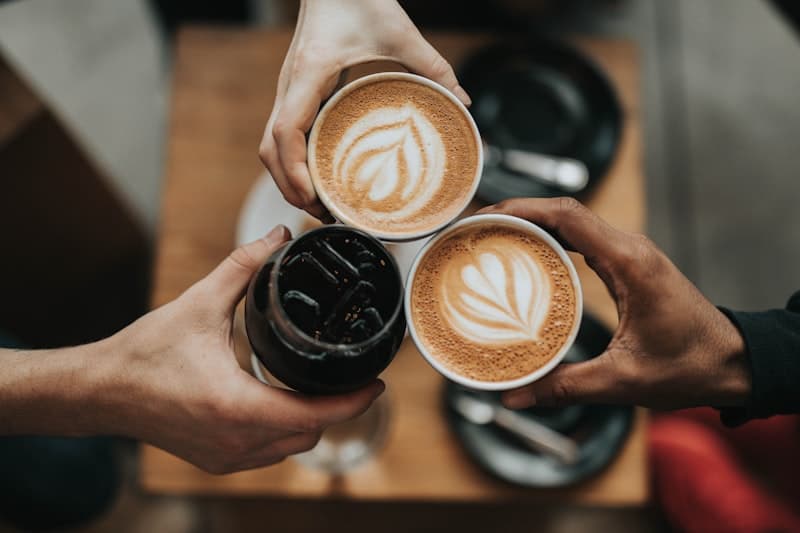
Before we argue about which one is better, you need to understand that these are fundamentally different products. A pre-workout supplement is a multi-ingredient dietary blend designed specifically to enhance exercise performance. Coffee is a natural beverage that happens to contain caffeine along with hundreds of other compounds. They are not the same thing, and that difference matters.
What Is in Pre-Workout Supplements?
Walk into any supplement store and you will see walls of these powders with names that sound like energy drink flavors. But strip away the marketing and most of them are built around the same core ingredients:
- Caffeine (150--400mg per serving): The main active ingredient. This is what gives you the energy spike, the focus, and the reduced perception of effort during training. Most brands use somewhere between one and four cups of coffee worth of caffeine in a single scoop.
- L-Citrulline or Citrulline Malate (3--8g): An amino acid that your body converts into arginine, which then produces nitric oxide. Nitric oxide widens your blood vessels, increasing blood flow to your muscles. That is where the "pump" feeling comes from -- and a randomized crossover trial in the Journal of Strength and Conditioning Research (2010) found that 8g of citrulline malate increased bench-press repetitions and reduced post-exercise muscle soreness. That said, the evidence is mixed: other randomized trials have found no benefit for reps or force, so treat citrulline as promising rather than proven.
- Beta-Alanine (1.6--3.2g): Another amino acid, this one buffers lactic acid in your muscles. The result? You can push harder for longer before the burning sensation forces you to stop. The catch: it causes a harmless tingling sensation called paresthesia that some people find uncomfortable. A systematic review and meta-analysis of 40 studies confirmed that beta-alanine supplementation produces a small but significant improvement in exercise capacity, with the benefit greatest for high-intensity efforts lasting roughly 30 seconds to 10 minutes.
- Creatine (sometimes, 3--5g): Not all products include this, but when they do, it supports short-burst power output. Creatine is one of the most studied supplements in sports nutrition, and the evidence for its effectiveness is overwhelming.
- Taurine (0.5--2g): An amino acid that supports cardiovascular function and may reduce muscle fatigue. It is also the ingredient that gives you the calm-yet-alert feeling rather than a cracked-out buzz.
- B Vitamins: Often included for energy metabolism support, though the practical impact is minimal if your diet is already adequate.
The real selling point of a pre-workout is not just the caffeine -- it is the combination of caffeine with these supporting ingredients that work together to enhance different aspects of performance. You get energy, blood flow, fatigue resistance, and focus in one drink.
What Does Coffee Contain?
Coffee is not just caffeine in a cup. A standard 8oz cup of brewed coffee contains roughly 80--100mg of caffeine, but it also delivers a complex mix of biologically active compounds:
- Chlorogenic acid and other polyphenols: Antioxidants that may help reduce inflammation and oxidative stress. A 2025 comprehensive review notes that habitual coffee consumption (roughly 3--5 cups daily) is associated in epidemiological studies with a 20--30% lower risk of type 2 diabetes, partly attributed to these polyphenols. (These are observational associations, not proof that coffee prevents disease.)
- Trigonelline: A compound that may help regulate blood sugar and has antibacterial properties.
- Vitamins and minerals: Small but meaningful amounts of vitamin B2 (riboflavin), vitamin B5 (pantothenic acid), manganese, and potassium.
- Magnesium and niacin: Trace amounts that contribute to your daily intake.
The important takeaway here is that coffee is not simply "natural caffeine." It is a complex beverage with its own health benefits beyond the stimulant effect. That said, for exercise performance purposes, caffeine is doing the heavy lifting. The antioxidants and micronutrients are a nice bonus, but they are not going to make or break your workout.
Caffeine Content Comparison at a Glance
This is the comparison people ask about most: how much caffeine are you actually getting?
| Source | Caffeine (approx.) |
|---|---|
| Pre-workout (1 scoop) | 150--400mg |
| Brewed coffee (8oz) | 80--100mg |
| Espresso (1 shot) | 60--80mg |
| Cold brew (8oz) | 100--200mg |
| Caffeine pill (1 tablet) | 100--200mg |
Notice how wide the ranges are. A single scoop of pre-workout could contain anywhere from the equivalent of one and a half cups of coffee to four cups. And a cup of coffee itself varies wildly depending on the beans, the roast, and the brewing method. This variability is one of the biggest practical differences between the two options. Supplement labels tell you exactly (well, roughly -- supplement labels are not always precise) how much caffeine you are getting. Coffee does not.
Is Coffee a Good Pre-Workout? What Science Says

Let me answer this directly: yes, coffee is a good pre-workout. Not just "okay" or "better than nothing" -- legitimately effective, with decades of research to back it up.
The International Society of Sports Nutrition position stand on caffeine and performance concluded that caffeine is one of the most well-supported ergogenic aids available. It improves aerobic endurance and can benefit muscular strength, muscular endurance, and high-intensity exercise lasting as long as 60 minutes, typically at doses of 3--6 mg/kg of body weight. These benefits are seen in trained individuals across a wide range of sports. (Note: the position stand itself observes that caffeine in an anhydrous form may have a slightly greater ergogenic effect than the same dose from coffee in some settings.)
A study by Hodgson and colleagues published in PLoS ONE (2013) specifically compared coffee to isolated caffeine and found that both improved 45-minute cycling time-trial performance by a similar amount (about 5%) versus placebo. In other words, coffee works about as well as pure caffeine for endurance performance. Your body does not seem to care much whether the caffeine comes from a bean or a supplement powder.
The mechanism is well understood. Caffeine blocks adenosine receptors in your brain. Adenosine is a neurotransmitter that builds up throughout the day and makes you feel tired. By blocking it, caffeine keeps you feeling alert and reduces your perception of effort during exercise. A meta-analysis by Doherty and Smith in the Scandinavian Journal of Medicine & Science in Sports (2005) found that caffeine reduced rating of perceived exertion during exercise by about 5.6% -- things literally feel easier when you have caffeine in your system, even at the same workload.
Caffeine also plays a role in calcium transport in muscle cells, which may directly improve muscle contractile force. And it allows dopamine secretion to continue during exercise, maintaining mood and motivation to push hard when your muscles are screaming at you to stop.
The bottom line: if you have been wondering whether coffee before a workout actually does something or if it is just in your head -- it is real, and the science is solid.
Coffee Before Workout: 7 Proven Benefits
Here is what you can realistically expect when you drink coffee before training:
1. Boosted Fat Oxidation
Caffeine increases the rate at which your body burns fat for fuel, both at rest and during exercise. A meta-analysis published in Nutrients (2020) by Collado-Mateo and colleagues found that acute caffeine intake produces a small but significant increase in fat oxidation rate during exercise. This does not mean coffee is a magic fat burner -- the effect is modest -- but it does mean your body is somewhat more likely to tap into fat stores during your workout, especially if you train in a fasted or semi-fasted state.
2. Improved Endurance Performance
This is probably the single best-supported benefit. Caffeine has been shown to improve time-to-exhaustion in cycling, running, and swimming by 2--5% in numerous studies. For a runner, that could mean the difference between hitting a personal best and falling short. The ISSN position stand rates this as one of the most consistent findings in sports nutrition research.
3. Reduced Muscle Pain and Soreness
Caffeine appears to act as a mild analgesic. A randomized study in the European Journal of Sport Science (2013) found that acute caffeine ingestion enhanced strength performance and reduced perceived exertion and muscle pain during resistance exercise. Some studies have also reported reduced delayed-onset muscle soreness (DOMS) in the days following caffeine ingestion, though findings here are less consistent. Less pain can mean more reps, and more reps can mean more gains.
4. Enhanced Focus and Reaction Time
Caffeine improves several aspects of cognitive function -- accuracy, reaction time, attention, and reasoning -- especially during physically demanding tasks. A meta-analysis published in Nutrients (2021) by Lorenzo-Calvo and colleagues reported that caffeine can enhance several cognitive functions in sports contexts, including attention and reaction time. This matters more than people think. If you are doing complex lifts like squats or deadlifts, being mentally sharp helps you maintain good form and avoid injury.
5. Antioxidant Protection
The polyphenols in coffee, particularly chlorogenic acid, provide antioxidant protection that helps combat exercise-induced oxidative stress. This is a benefit you do not get from a caffeine pill or most pre-workout supplements.
6. Cheap and Accessible
A cup of coffee costs between $0.20 and $1.00 depending on how you make it. That is roughly one-tenth the cost of a supplement. For most people training 3--5 times per week, that difference adds up to hundreds of dollars per year.
7. Natural -- No Synthetic Blends
Coffee contains caffeine in its naturally occurring form alongside hundreds of beneficial compounds. There are no artificial sweeteners, food dyes, or proprietary blends with undisclosed ingredient amounts. You know exactly what you are drinking.
Can I Replace Pre-Workout with Coffee? (When It Works and When It Doesn't)
This is the question that brings most people to this article. The honest answer is: it depends on your workout.
When Coffee Is Enough
- Light to moderate cardio (jogging, cycling, swimming): Research consistently shows that caffeine alone improves aerobic performance. If your workout is a 30--45 minute run or a cycling session, coffee will give you everything you need.
- Weight training sessions under 60 minutes: For a straightforward lifting session -- a few compound exercises and some accessory work -- the caffeine in 1--2 cups of coffee is plenty to keep you focused and energized.
- If you have low caffeine sensitivity: Some people metabolize caffeine efficiently and get a strong effect from relatively small doses. If one cup of coffee makes you feel like you can take on the world, you probably do not need a supplement.
- If you are on a budget: At roughly one-fifth to one-tenth the cost per serving, coffee is the clear winner for your wallet. Over a year of training four times per week, that saves you $200--$500.
When You Need Real Pre-Workout
- Heavy compound lifts (squats, deadlifts, bench press): When you are moving serious weight, the extra ingredients matter. Citrulline increases blood flow to working muscles, and beta-alanine helps buffer the acid buildup that makes your last few reps burn like fire.
- Training sessions over 90 minutes: Caffeine's effects peak around 60 minutes after ingestion and can last 1--3 hours. Supplements in this category often include ingredients specifically chosen for sustained energy and delayed fatigue. For long sessions, that matters.
- When you want a skin-tearing pump: Coffee does not contain citrulline or arginine. If you want that vasodilated, blood-flowing-to-your-muscles feeling that bodybuilders chase, you need a dedicated supplement or a standalone pump product.
- When you want the benefits of multiple performance ingredients at once: Creatine for power. Beta-alanine for endurance. Taurine for cardiovascular support. B vitamins for energy metabolism. Getting all of these in their effective doses from food alone is impractical. A pre-workout puts them in one scoop.
Pre-Workout vs Coffee for Running vs Weightlifting
The sport you are doing should influence your choice. Caffeine helps with almost everything, but the way you get it matters depending on the activity.
For Running and Cardio
Coffee is usually the better choice for runners and endurance athletes. Here is why:
The research on caffeine and endurance performance overwhelmingly shows that caffeine alone -- without any additional supplement ingredients -- significantly improves time-trial performance, time-to-exhaustion, and perceived exertion. A systematic review by Wang and colleagues published in Nutrients (2022) found that caffeine intake improved endurance running performance and increased time to exhaustion across multiple studies.
Pre-workout supplements designed for the gym often contain beta-alanine, which causes a tingling sensation that can be genuinely unpleasant during a long run. Imagine your face and hands tingling for 45 minutes while you are trying to maintain a steady pace. Not fun. The artificial flavors and sweeteners can also cause GI distress during sustained aerobic exercise, which is the last thing you want on mile eight of a ten-mile run.
Marathon runners and ultra-endurance athletes sometimes use caffeine gels or chews rather than coffee or pre-workout, but the principle is the same: straightforward caffeine delivery without the extras that might upset your stomach mid-run.
For Weightlifting and Strength Training
This is where a pre-workout starts to earn its price tag. The citrulline increases nitric oxide production, which enhances blood flow to working muscles. More blood flow means more oxygen, more nutrient delivery, and a better pump. The beta-alanine buffers lactic acid, letting you grind out extra reps on your heaviest sets. Creatine, if your supplement includes it, directly supports ATP production for short-burst power movements like bench presses and squats.
For intermediate to advanced lifters who are pushing heavy weights on a regular basis, these additional ingredients provide a real and noticeable performance benefit. For beginners, the caffeine from coffee is usually sufficient because your neurological adaptations are still the primary driver of strength gains in your first few months of training.
Goal-Based Recommendation Table
| Your Goal | Better Choice | Why |
|---|---|---|
| Fat loss / light cardio | Coffee | Sufficient caffeine + much cheaper |
| Strength / hypertrophy | Pre-workout | Extra ingredients support endurance and pump |
| Running / endurance | Coffee | Proven ergogenic effect, less GI distress |
| HIIT / CrossFit | Pre-workout | Compound ingredients for sustained high-intensity output |
| Budget-friendly | Coffee | 5--10x cheaper per serving |
| First-time gym goer | Coffee | Familiar, lower side-effect risk |
Pre-Workout vs Caffeine Pill -- The Third Option
There is a third player in this conversation that most comparison articles ignore: the caffeine pill. A standard caffeine tablet contains either 100mg or 200mg of caffeine in a tiny, tasteless pill that costs about $0.05--$0.20 per dose. For people who want the performance benefits of caffeine without the extras -- no sugar, no artificial flavors, no stomach irritation from coffee acidity -- caffeine pills are worth considering.
The downside is obvious: you miss out on the additional performance ingredients that a supplement provides and the antioxidants that coffee provides. A caffeine pill is just caffeine, nothing else. But for precise dosing, it is unmatched. You know exactly how much caffeine you are getting every single time, which makes it easier to stay within safe limits and to dial in your optimal dose.
| Pre-Workout | Coffee | Caffeine Pill | |
|---|---|---|---|
| Caffeine precision | Variable (brand-dependent) | Variable (brew/bean dependent) | Exact (100mg or 200mg) |
| Extra ingredients | Yes (citrulline, beta-alanine, etc.) | Trace (antioxidants, vitamins) | None |
| Cost per serving | $1.50--$3.00 | $0.20--$1.00 | $0.05--$0.20 |
| Convenience | Shaker needed | Brewing needed | Water only |
| Taste | Variety of fruit flavors | Coffee flavor | None (swallow whole) |
| Best for | Maximum performance | Daily training, budget | Precise dosing, travel |
How Much Coffee Before a Workout? (Dosage Guide)
The research points to a sweet spot of 3--6mg of caffeine per kilogram of body weight, taken roughly 30--60 minutes before exercise. This range is supported by the ISSN position stand, which identifies low-to-moderate doses of roughly 3--6 mg/kg as effective.
For a 70kg (154 lb) person, that works out to roughly 210--420mg of caffeine. At the lower end, about 3mg/kg, you get most of the performance benefits with the lowest risk of side effects. Going higher does not necessarily help -- a randomized crossover trial in kickboxers found that a higher caffeine dose was not better than a lower dose for improving exercise performance.
Here is what that looks like in practical terms:
| Body Weight | Recommended Caffeine | Approximate Coffee |
|---|---|---|
| 130 lbs (59 kg) | 175--350mg | 2--3 cups brewed |
| 160 lbs (73 kg) | 215--430mg | 2--4 cups brewed |
| 190 lbs (86 kg) | 255--515mg | 3--5 cups brewed |
| 220 lbs (100 kg) | 300--600mg | 3--6 cups brewed |
The FDA cites 400mg of caffeine per day as an amount not generally associated with negative effects for most healthy adults, and the European Food Safety Authority reached a similar conclusion. The EFSA further states that single doses of up to 200mg do not raise safety concerns for most healthy adults. If you weigh 220 pounds and want to hit the higher end of the research-backed dose, you would be exceeding the FDA's daily recommendation with a single pre-workout serving. That is something to be aware of, especially if you drink coffee throughout the rest of the day too.
Timing matters too. Caffeine reaches peak blood concentration roughly 30--120 minutes after ingestion. Taking it about 45--60 minutes before your workout is the standard recommendation. A 2023 meta-analysis published in Sleep Medicine Reviews by Gardiner and colleagues estimated that, to avoid reducing total sleep time, a standard cup of coffee (~107mg) should be consumed roughly 9 hours before bedtime, and a typical pre-workout dose (~217mg) about 13 hours before bedtime. So if you train in the evening, you may want to scale back your dose or skip it entirely.
Natural Pre-Workout Alternatives to Coffee
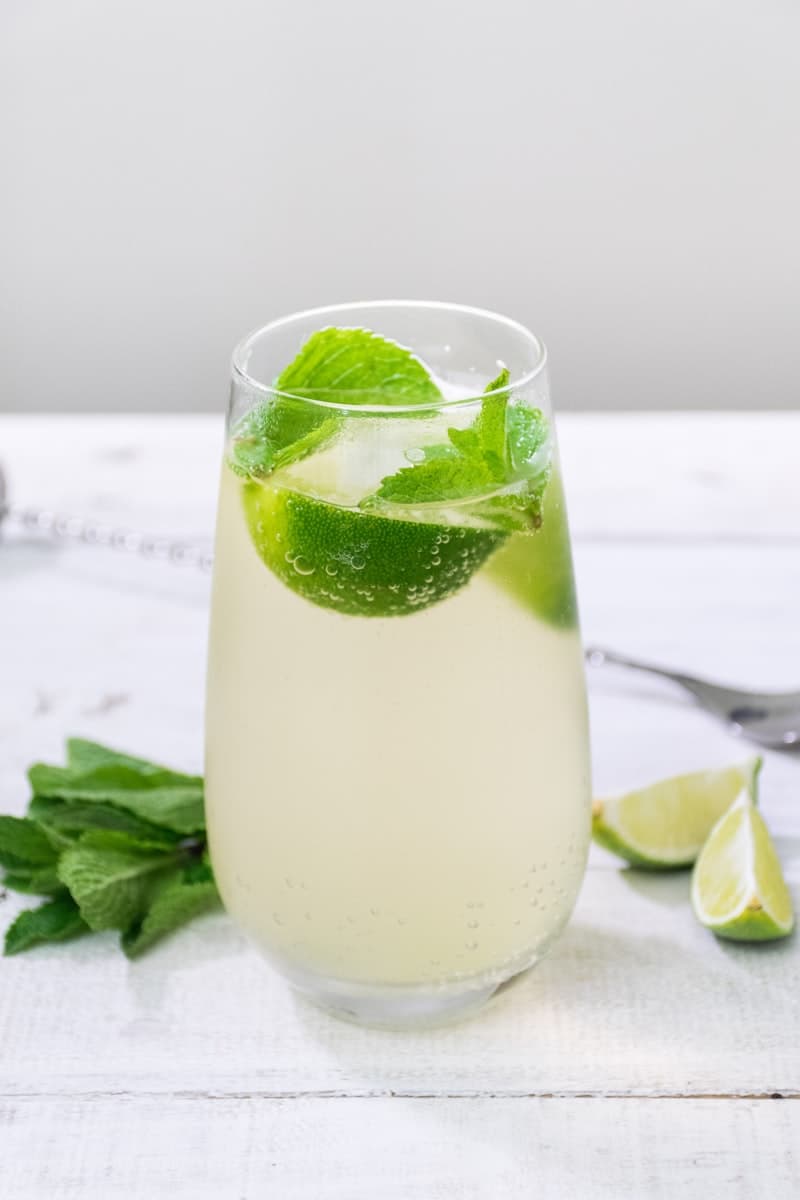
If neither coffee nor pre-workout appeals to you -- or if you are looking for variety -- there are legitimate alternatives worth knowing about.
| Alternative | Caffeine? | Best For | Key Benefit |
|---|---|---|---|
| Green tea | Yes (28--50mg) | Light cardio, yoga | L-theanine for calm, focused energy |
| Matcha | Yes (60--70mg) | Sustained energy sessions | Slow-release caffeine + high antioxidant content |
| Beet juice | No | Endurance running | Dietary nitrates boost nitric oxide for blood flow |
| Banana + peanut butter | No | General pre-workout fuel | Carbs + potassium for energy and cramp prevention |
| DIY pre-workout (coffee + honey + pinch of salt) | Yes | Budget alternative to supplements | Simple, effective, and tastes decent |
A few notes on these. Green tea contains L-theanine alongside caffeine, which creates a calm, focused energy without the jitters that coffee can sometimes cause. It is a great option for lower-intensity training days. Matcha is essentially concentrated green tea -- you consume the entire leaf rather than just an infusion, so you get more caffeine and more antioxidants per serving. Beet juice is genuinely interesting for endurance athletes: the dietary nitrates in beets convert to nitric oxide in your body, improving blood flow and exercise efficiency without any caffeine at all. Multiple studies have shown measurable performance improvements in runners and cyclists who consume beet juice before training.
Side Effects -- What to Watch Out For
Both options can cause problems when you overdo it. Here is what to watch for with each.
Pre-Workout Side Effects
- Beta-alanine tingling (paresthesia): That pins-and-needles sensation in your face, hands, and feet. It looks scary if you are not expecting it, but it is completely harmless. It usually fades within 30--60 minutes. Some people actually enjoy it. If you hate it, look for a product without beta-alanine.
- Niacin flush: Some supplements contain high doses of niacin (vitamin B3), which causes redness, warmth, and tingling in your skin. Like beta-alanine tingling, it is harmless but uncomfortable.
- GI distress: Artificial sweeteners, flavoring agents, and high doses of citrulline can cause bloating, gas, or diarrhea in sensitive individuals. If your supplement routinely sends you to the bathroom mid-workout, try a different brand with simpler ingredients.
- Caffeine overload: Many pre-workouts contain 300--400mg of caffeine per serving. Add a morning coffee on top of that and you can easily exceed 600mg in a few hours. The FDA says that toxic effects, including seizures, can occur with rapid consumption of around 1,200mg of caffeine. Stay aware of your total intake from all sources.
Coffee Side Effects Before a Workout
- Acid reflux: Coffee is acidic, and exercise -- particularly exercises that involve bending over or lying flat (think crunches, rows, bench press) -- can push that acid up into your esophagus. If you get heartburn during workouts, black coffee on an empty stomach is probably the culprit.
- Jitteriness and anxiety: At doses above 200mg, some people experience nervousness, restlessness, and mild palpitations. This is dose-dependent and varies widely from person to person based on genetics -- specifically, variations in the ADORA2A gene affect how sensitive you are to caffeine's anxiety-causing effects.
- Diuretic effect: Caffeine increases urine output, especially in people who do not consume it regularly. For a hard training session, this means you need to pay extra attention to hydration. Drink water alongside your coffee.
- Tolerance buildup: Regular daily caffeine consumers develop tolerance to some of caffeine's effects. A 2022 systematic review and meta-analysis in Sports Medicine ("Can I Have My Coffee and Drink It?") found that caffeine still improves exercise performance regardless of a person's habitual caffeine intake -- in other words, daily coffee drinkers still got an ergogenic benefit. The practical takeaway: there is no strong evidence that you need to cycle off caffeine before competitions to "reset" its effect.
Quick Comparison Table: Pre-Workout vs Coffee at a Glance

| Factor | Pre-Workout | Coffee |
|---|---|---|
| Caffeine per serving | 150--400mg | 80--200mg |
| Extra performance ingredients | Yes (citrulline, beta-alanine, creatine) | No (antioxidants only) |
| Effect duration | 1--3 hours | 30min--2 hours |
| Cost per serving | $1.50--$3.00 | $0.20--$1.00 |
| Best for strength training | Excellent | Good |
| Best for cardio/running | Good | Excellent |
| Side-effect risk | Moderate (tingling, GI issues) | Low--moderate (acid reflux, jitteriness) |
| Taste options | Variety (fruit, sour, etc.) | Coffee flavor (or add milk/sugar) |
| Calorie content | 0--20 kcal | 0--5 kcal (black) |
| Convenience | Requires mixing | Available anywhere |
| Tolerance buildup | Yes (cycling recommended) | Yes (daily users affected) |
| Beginner friendly | Moderate | High |
| GI distress risk | Moderate (artificial sweeteners) | Low--moderate (acidity) |
| Overall versatility | Performance-focused | Everyday-friendly |
So, Which Should You Choose? (Purpose-Based Recommendations)
| Your Primary Goal | Best Choice | Why |
|---|---|---|
| Fat loss / light cardio | Coffee | Enough caffeine + much cheaper |
| Strength / hypertrophy | Pre-workout | Citrulline + creatine support output and pump |
| Running / endurance | Coffee | Proven ergogenic aid without GI distress |
| HIIT / CrossFit | Pre-workout | Compound ingredients for sustained intensity |
| Budget-friendly | Coffee | 5--10x cheaper per serving |
| First-time gym goer | Coffee | Familiar, lower side-effect risk |
| Long sessions (90+ min) | Pre-workout | Sustained energy + reduced fatigue |
| Caffeine-sensitive | Neither (try beet juice or banana) | Avoid overstimulation |
My Honest Recommendation for Beginners
Start with coffee. You already know how it makes you feel. The side-effect risk is low, the cost is negligible, and for most people in their first few months of training, the caffeine from 1--2 cups is more than enough to improve focus and energy.
After you have been training consistently for a few months and you start pushing heavier weights, consider adding a pre-workout on your hardest training days. You do not need it every session. Plenty of experienced lifters use a simple system: coffee on lighter days, a supplement on heavy days. That keeps your caffeine intake reasonable, your wallet happier, and your body from building excessive tolerance.
Supporting Your Training Beyond Caffeine
Caffeine is just one piece of the puzzle. What you do before and after your workout matters just as much as what you drink.
Nutrition is non-negotiable. You cannot out-caffeinate a bad diet. If you are not getting enough protein, your muscles are not recovering properly no matter how jacked up your supplement makes you feel. Our plant protein vs whey protein comparison breaks down the science behind both options so you can pick the right fuel for your body.
Recovery determines your next workout. The foam roller vs massage gun debate is real, and the right choice depends on your body, your budget, and your pain tolerance. Our foam roller vs massage gun guide covers what works for what.
And if you are still figuring out how to structure your training, our HIIT vs LISS cardio for fat loss guide helps you pick the right conditioning approach to match your goals.
Frequently Asked Questions
Is coffee a good pre-workout?
Yes. Coffee is one of the most widely used and scientifically validated pre-workout options available. The caffeine in coffee has been shown in hundreds of studies to improve aerobic endurance, muscular strength, muscular endurance, reaction time, and focus. Research published in PLoS ONE (Hodgson et al., 2013) found that coffee improved cycling performance just as effectively as isolated caffeine. For the vast majority of workouts -- running, cycling, moderate weight training, group fitness classes -- coffee is more than sufficient.
Can I replace pre-workout with coffee?
For light to moderate intensity workouts, absolutely. Coffee provides enough caffeine to improve performance for most people training 30--60 minutes. Where coffee falls short is in the extras: it does not contain citrulline for blood flow, beta-alanine for fatigue buffering, or creatine for power output. If you are doing high-intensity weight training sessions lasting over 90 minutes, or you specifically want the pump and endurance benefits that those additional ingredients provide, coffee alone will not fully replace a dedicated supplement.
How much coffee should I drink before a workout?
The research-backed dose is 3--6mg of caffeine per kilogram of body weight, taken 30--60 minutes before exercise. For most people, that translates to 1--3 cups of brewed coffee (8oz each). A 160-pound person needs roughly 215--430mg of caffeine, which is 2--4 cups. Start at the lower end (about 3mg/kg or roughly 2 cups) and see how you feel. Going higher does not necessarily help -- some studies show that more caffeine beyond the effective range just increases side effects without additional performance benefits.
Is pre-workout safer than coffee?
Neither is inherently dangerous when used within recommended limits. Supplements in this category carry a higher risk of side effects simply because they contain more caffeine and additional active ingredients. The tingling from beta-alanine, the niacin flush, and the higher likelihood of GI distress are all more common with pre-workout than with coffee. On the other hand, supplement labels (usually) tell you how much caffeine you are getting, while coffee is unpredictable -- anywhere from 50 to 200mg per cup depending on how it is brewed. If you are careful about reading labels and sticking to recommended doses, both are safe for healthy adults. The FDA considers up to 400mg of caffeine per day safe for most adults.
What does Reddit say about pre-workout vs coffee?
If you browse r/Fitness, r/nutrition, or r/bodybuilding, the consensus is surprisingly practical. Many experienced users follow a hybrid approach: coffee for lighter training days and a supplement for heavy lifting sessions. Common advice from the community includes starting with coffee before spending money on supplements, avoiding products with proprietary blends that hide ingredient amounts, and being cautious about caffeine tolerance if you drink coffee throughout the day. The most upvoted advice tends to be: figure out your caffeine sensitivity first, then decide if you need anything beyond coffee.
Can I take pre-workout and coffee together?
I would not recommend it. Combining a pre-workout (which often contains 200--400mg of caffeine) with even one cup of coffee (80--100mg) can push your total caffeine intake to 300--500mg in a single dose. That is right at or above the FDA's recommended daily limit of 400mg, and you have not even had your morning coffee yet. Side effects at that dose include rapid heartbeat, anxiety, tremors, and headaches. Pick one or the other.
Does coffee give you the same pump as pre-workout?
No. The "pump" feeling -- that swollen, tight sensation in your muscles during and after lifting -- comes from increased blood flow to the working muscles. Supplements achieve this through ingredients like L-citrulline and arginine, which boost nitric oxide production and widen blood vessels. Coffee does not contain these ingredients. You will still get some blood flow to your muscles from the exercise itself, and caffeine does have some effect on circulation, but the noticeable, skin-stretching pump that people associate with a pre-workout is primarily from the nitric oxide boosters. If pump is important to you, a dedicated supplement (or a standalone pump product) is the way to go.
What is the best pre-workout alternative?
It depends on your goal. For sustained calm energy, green tea or matcha provides caffeine alongside L-theanine, which smooths out the jitters. For endurance athletes, beet juice is genuinely effective -- the dietary nitrates improve blood flow and exercise efficiency with zero caffeine. For a quick energy boost before a standard gym session, a banana with peanut butter gives you simple carbs and potassium for fuel. And if you want the best pre-workout alternative on a budget, coffee with honey and a pinch of salt gives you caffeine for energy, sugar for immediate fuel, and sodium for hydration support. None of these will match a dedicated supplement for maximum performance, but they are effective, natural, and easy on your stomach.
References
- Goldstein ER, et al. International Society of Sports Nutrition position stand: caffeine and performance. Journal of the International Society of Sports Nutrition, 2010.
- Hodgson AB, Randell RK, Jeukendrup AE. The Metabolic and Performance Effects of Caffeine Compared to Coffee during Endurance Exercise. PLoS ONE, 2013.
- Doherty M, Smith PM. Effects of caffeine ingestion on rating of perceived exertion during and after exercise: a meta-analysis. Scandinavian Journal of Medicine & Science in Sports, 2005.
- Collado-Mateo D, et al. Effect of Acute Caffeine Intake on the Fat Oxidation Rate during Exercise: A Systematic Review and Meta-Analysis. Nutrients, 2020.
- Wang Z, et al. Effects of Caffeine Intake on Endurance Running Performance and Time to Exhaustion: A Systematic Review and Meta-Analysis. Nutrients, 2022.
- Lorenzo Calvo J, et al. Caffeine and Cognitive Functions in Sports: A Systematic Review and Meta-Analysis. Nutrients, 2021.
- Duncan MJ, et al. Acute caffeine ingestion enhances strength performance and reduces perceived exertion and muscle pain perception during resistance exercise. European Journal of Sport Science, 2013.
- Pérez-Guisado J, Jakeman PM. Citrulline malate enhances athletic anaerobic performance and relieves muscle soreness. Journal of Strength and Conditioning Research, 2010.
- Saunders B, et al. β-alanine supplementation to improve exercise capacity and performance: a systematic review and meta-analysis. British Journal of Sports Medicine, 2017.
- Carvalho A, et al. Can I Have My Coffee and Drink It? A Systematic Review and Meta-analysis to Determine Whether Habitual Caffeine Consumption Affects the Ergogenic Effect of Caffeine. Sports Medicine, 2022.
- Gardiner C, et al. The effect of caffeine on subsequent sleep: A systematic review and meta-analysis. Sleep Medicine Reviews, 2023.
- EFSA Panel on Dietetic Products, Nutrition and Allergies. Scientific Opinion on the safety of caffeine. EFSA Journal, 2015.
- U.S. Food and Drug Administration. Spilling the Beans: How Much Caffeine is Too Much?
- Yang J, et al. Coffee and Its Major Polyphenols in the Prevention and Management of Type 2 Diabetes: A Comprehensive Review. International Journal of Molecular Sciences, 2025.
The Bottom Line
The pre-workout vs coffee debate is not about crowning a winner. It is about matching your fuel to your training.
Coffee is the everyday workhorse. It is cheap, natural, available everywhere, and backed by decades of solid research showing it improves endurance, focus, and fat oxidation. For most people doing most workouts, coffee is all you need. If you run, do moderate weight training, take group fitness classes, or just want a little boost before hitting the gym, save your money and stick with coffee.
A pre-workout supplement is the specialist tool. It shines when you need maximum output -- heavy lifting days, long brutal sessions, high-intensity interval training, or those mornings when your motivation is at zero and you need something stronger than a cup of coffee to get you moving. The additional ingredients like citrulline, beta-alanine, and creatine provide real, measurable benefits that coffee alone cannot deliver.
The smartest approach? Use both. Coffee on your regular training days. Pre-workout on the days you need the extra edge. Your body, your wallet, and your sleep schedule will all thank you.
Which did you choose -- coffee, pre-workout, or both? Drop a comment and share your pre-workout routine. I read every one.
Related guides:
- Fuel your training: Plant protein vs whey protein
- Combine strength with cardio: HIIT vs LISS cardio for fat loss
- Recover faster: Foam roller vs massage gun
- Choose your equipment: Dumbbell vs kettlebell
BCAAs vs EAAs: Which Amino Acid Supplement Actually Works Better?
Next →Probiotics vs Prebiotics: What's the Difference and Which One Do You Actually Need? (2026)