Anti-Inflammatory Foods: Complete Science-Backed Guide (2026)
Discover the top 15 anti-inflammatory foods backed by science, what to eat and avoid, plus a beginner meal plan to fight chronic inflammation naturally.
Anti-Inflammatory Foods: Complete Science-Backed Guide (2026)
You know that feeling when your joints ache for no clear reason, or your digestion feels off, or you just seem tired all the time? There's a decent chance chronic inflammation is part of the picture.
Public health researchers increasingly point to chronic inflammatory diseases as a leading driver of global mortality. A widely cited 2019 review in Nature Medicine identifies persistent, low-grade inflammation as a major contributor to heart disease, type 2 diabetes, neurodegenerative conditions, and several forms of cancer. And here's what makes that both alarming and hopeful: the food you eat every day is one of the most powerful levers you have.
This guide covers the science behind anti-inflammatory foods — which ones have the strongest evidence, which foods secretly trigger inflammation, and how to build a practical anti-inflammatory diet without overhauling your entire life. We drew on clinical trials and large-scale nutrition studies throughout.
What Is Inflammation? (And Why Chronic Inflammation Is Dangerous)

Not all inflammation is bad. In fact, you'd be in serious trouble without it.
Acute inflammation is your body's emergency response system. Cut your finger, and the area turns red, swells up, and feels warm. That's your immune system rushing white blood cells and nutrients to the injury site to begin repairs. A few days later, the swelling goes down and the cut heals. Job done.
Chronic inflammation is something else entirely. It's a low-grade, persistent immune activation that sticks around for months or years — often without obvious symptoms. Instead of responding to a real threat, your immune system stays switched on at a low simmer, and over time, that slow burn damages healthy tissue.
A landmark 2019 review in Nature Medicine (Furman et al.) laid out the case: systemic chronic inflammation accelerates aging and contributes to the development of many diseases. It's linked to cardiovascular disease, metabolic syndrome, autoimmune disorders, neurodegenerative conditions, and certain cancers.
Here's how the two types compare:
| Feature | Acute Inflammation | Chronic Inflammation |
|---|---|---|
| Duration | Hours to days | Months to years |
| Trigger | Injury, infection | Diet, stress, toxins, obesity, inactivity |
| Symptoms | Redness, swelling, pain, heat | Often silent — fatigue, brain fog, joint aches |
| Outcome | Healing and recovery | Tissue damage, disease progression |
The good news? Diet is a modifiable risk factor. What you put on your plate can either feed the fire or help put it out. That's what the rest of this guide is about.
Top 15 Anti-Inflammatory Foods Backed by Science
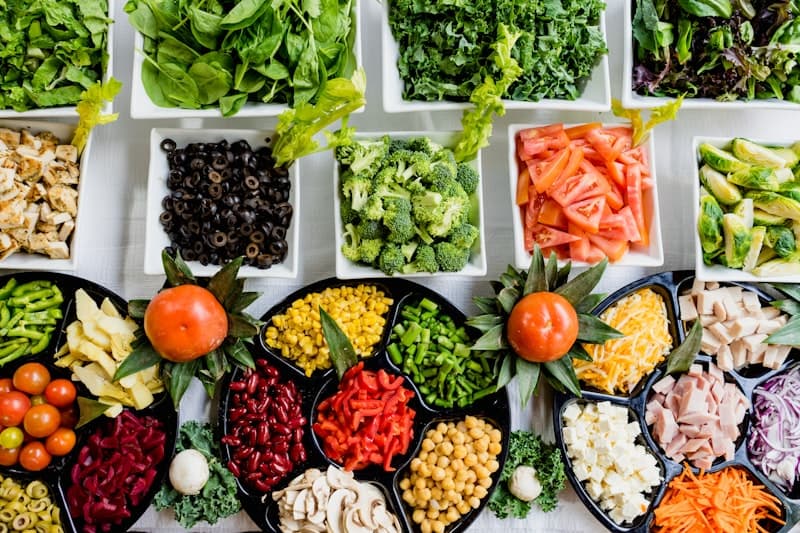
Here's the anti inflammatory foods list you came for. Each of these has real clinical or observational research behind it — not just hype. We've included the key anti-inflammatory compound, what the science says, and a practical way to eat more of it.
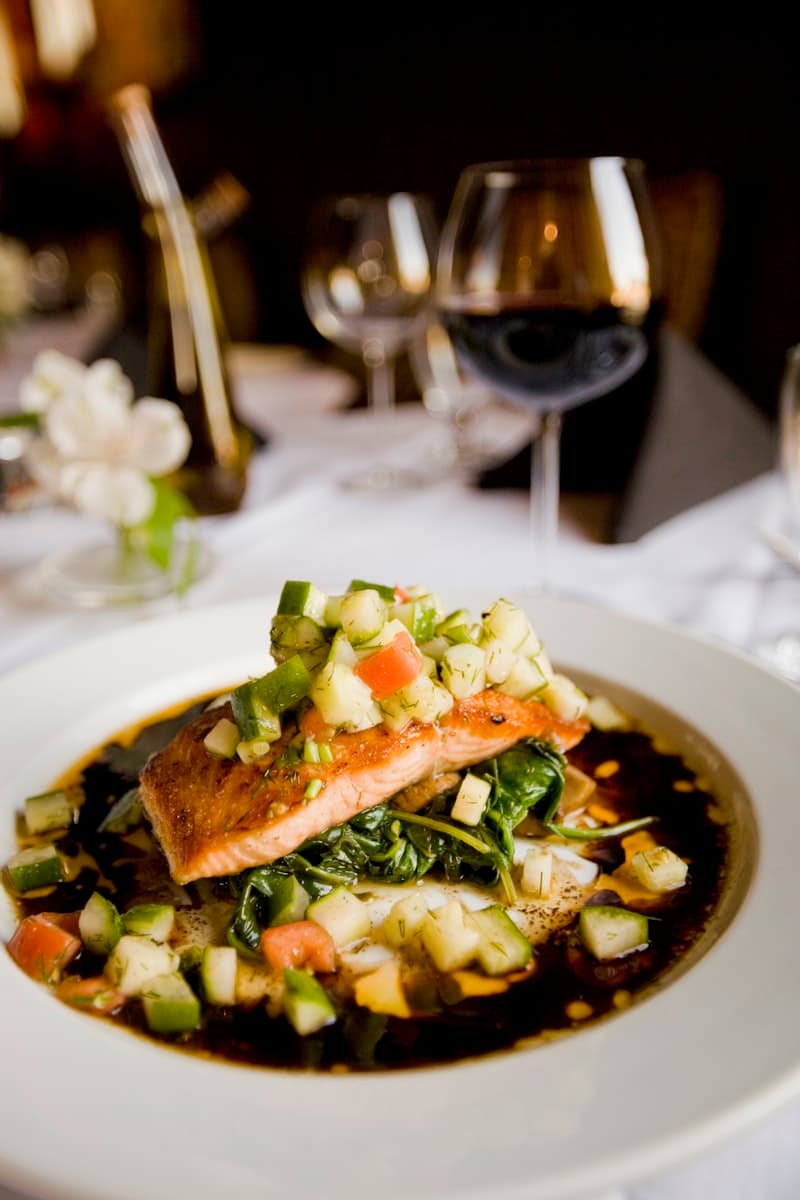
1. Fatty Fish (Salmon, Sardines, Mackerel)
Key compound: Omega-3 fatty acids (EPA and DHA)
Your body converts EPA and DHA into resolvins and protectins — compounds that actively resolve inflammation. A dose-response meta-analysis of 40 randomized trials found that omega-3 supplementation (up to ~1,200 mg/day EPA+DHA) significantly reduced CRP (C-reactive protein) in people with cardiometabolic disorders, though the effect was not significant in every population studied. We cover omega-3 benefits in much more detail here.
How to eat it: Aim for 2–3 servings of fatty fish per week. A 3.5 oz (100 g) serving of wild salmon delivers about 2.3 g of omega-3s.
2. Blueberries
Key compound: Anthocyanins
Anthocyanins are the pigments that give blueberries their deep blue color, and they happen to be potent antioxidants. A randomized, double-blind, placebo-controlled trial found that daily blueberry intake for six weeks attenuated oxidative stress in monocytes and lowered inflammatory gene expression (TNF-alpha, IL-6) in adults with metabolic syndrome.
How to eat it: A handful (about 1 cup) per day. Fresh or frozen — nutritionally similar.
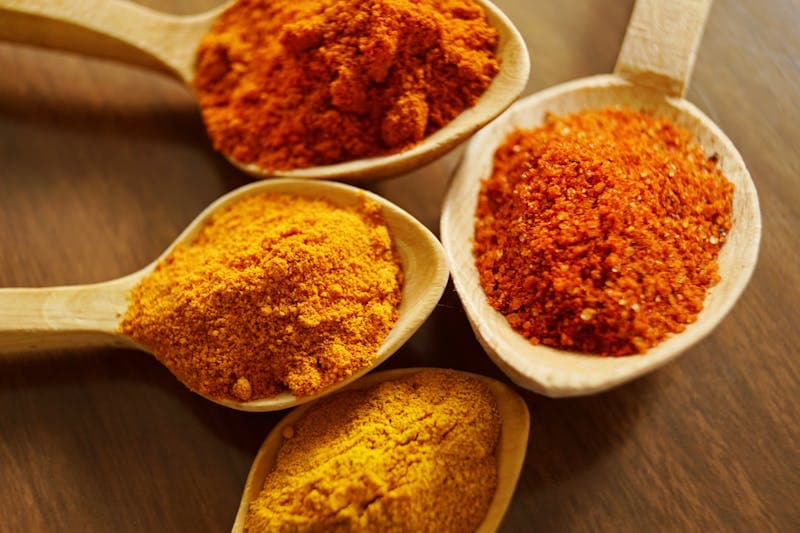
3. Turmeric
Key compound: Curcumin
Curcumin inhibits the NF-kB pathway — essentially a master switch that turns on inflammation-related genes in your cells. The research is extensive, with many clinical trials examining curcumin for various inflammatory conditions. (We go deep on turmeric later in this guide.)
How to eat it: 1/2 to 1 teaspoon of turmeric powder daily. Always pair it with black pepper — in a human pharmacokinetic study, piperine increased curcumin absorption by roughly 2,000%.
4. Extra Virgin Olive Oil
Key compound: Oleocanthal
Oleocanthal is a phenolic compound that inhibits COX-1 and COX-2 enzymes — the same anti-inflammatory mechanism as ibuprofen. This ibuprofen-like activity was first characterized in a 2005 study in Nature (Beauchamp et al.), which showed oleocanthal causes dose-dependent inhibition of both COX enzymes. Note that the doses achievable through diet are far lower than a therapeutic ibuprofen pill, so this is a contributing dietary effect rather than a drug substitute.
How to eat it: Use extra virgin olive oil as your primary cooking and dressing fat. About 2–4 tablespoons per day aligns with Mediterranean diet research.
5. Broccoli and Cruciferous Vegetables
Key compound: Sulforaphane
Sulforaphane activates the Nrf2 pathway, which ramps up your body's own antioxidant defenses. Observational studies have associated higher cruciferous-vegetable intake with lower circulating inflammatory markers, though intervention data in humans are still limited.
How to eat it: 1–2 cups of broccoli, cauliflower, or Brussels sprouts several times a week. Light steaming preserves sulforaphane better than boiling.
6. Leafy Greens (Spinach, Kale, Swiss Chard)
Key compounds: Carotenoids, vitamin K, magnesium
Dark leafy greens are loaded with antioxidants and minerals that modulate immune function. Observational research has linked higher intakes of carotenoid-rich vegetables with lower CRP levels, consistent with the broader evidence that plant-rich dietary patterns are associated with reduced systemic inflammation.
How to eat it: At least one serving (about 2 cups raw or 1 cup cooked) daily. Add spinach to smoothies, saute kale with garlic, or use mixed greens as a salad base.
7. Walnuts
Key compounds: Alpha-linolenic acid (ALA), polyphenols
Walnuts are the only tree nut with significant amounts of omega-3 ALA. A 2020 randomized controlled trial in the Journal of the American College of Cardiology (the Walnuts and Healthy Aging study) found that eating about 1–2 ounces of walnuts daily for two years significantly reduced 6 of 10 measured inflammatory markers in healthy older adults.
How to eat it: A small handful (about 1 oz or 28 g) daily as a snack or salad topping.
8. Ginger
Key compound: Gingerols and shogaols
Ginger inhibits prostaglandin and leukotriene synthesis — two pathways that drive inflammation. A systematic review and meta-analysis found that ginger supplementation significantly reduced serum CRP across randomized trials, and other meta-analyses report reductions in malondialdehyde, an oxidative-stress marker.
How to eat it: Fresh ginger in stir-fries, soups, and teas. About 1–2 grams per day is the amount commonly used in research.
9. Green Tea
Key compound: EGCG (epigallocatechin gallate)
EGCG is a catechin that suppresses inflammatory cytokine production. Population and trial data have linked green tea consumption with lower levels of CRP and other inflammatory biomarkers, though results across studies are not uniform.
How to eat it: 2–3 cups per day. Brew for 3–5 minutes to extract the catechins.
10. Tart Cherries
Key compounds: Anthocyanins, melatonin
Tart cherry juice has gained attention for its ability to reduce exercise-induced inflammation and muscle soreness. A 2010 study in the Scandinavian Journal of Medicine & Science in Sports (Howatson et al.) found that marathon runners who drank tart cherry juice for five days before and two days after a race had lower markers of inflammation and oxidative stress and faster recovery of muscle strength.
How to eat it: 8 oz of tart cherry juice or 1/4 cup of dried tart cherries daily.
11. Tomatoes
Key compound: Lycopene
Lycopene is a carotenoid that becomes more bioavailable when tomatoes are cooked — especially with a fat source like olive oil. Some studies have associated tomato and lycopene intake with lower levels of pro-inflammatory markers such as IL-6, although the human evidence is mixed.
How to eat it: Cooked tomatoes (sauce, soup, roasted) with olive oil for maximum lycopene absorption.
12. Dark Chocolate (70%+ Cacao)
Key compound: Flavanols
Cocoa flavanols have demonstrated anti-inflammatory effects in both lab and human studies, with some trials reporting reductions in inflammatory markers after regular dark chocolate or cocoa intake. The evidence is promising but modest, and benefits apply only to high-cacao chocolate, not sugary milk chocolate.
How to eat it: 1–2 small squares (about 20–40 g) of dark chocolate with at least 70% cacao. Skip the milk chocolate — the sugar and lower cacao content undo the benefits.
13. Avocados
Key compounds: Monounsaturated fat, carotenoids, tocopherols
Avocados are rich in anti-inflammatory fats and antioxidants. A 2020 randomized controlled trial in The Journal of Nutrition found that eating one avocado per day for 12 weeks increased gut microbial diversity and the abundance of fiber-fermenting bacteria (such as Faecalibacterium) in adults with overweight or obesity — shifts generally associated with a healthier gut environment.
How to eat it: Half to one avocado per day. On toast, in salads, or blended into smoothies.
14. Sweet Potatoes
Key compounds: Beta-carotene, fiber
Beta-carotene is a provitamin A carotenoid with strong antioxidant properties. Sweet potatoes also provide soluble fiber, which feeds beneficial gut bacteria that produce short-chain fatty acids — compounds that actively suppress gut inflammation.
How to eat it: Swap white potatoes for sweet potatoes 2–3 times per week. Baked or roasted retains the most nutrients.
15. Bell Peppers and Chili Peppers
Key compounds: Vitamin C, capsaicin
Bell peppers are one of the richest sources of vitamin C — even richer than oranges by weight. Capsaicin, the compound that gives chili peppers their heat, has been shown in laboratory studies to inhibit Substance P, a neuropeptide involved in inflammatory signaling.
How to eat it: Raw bell peppers as snacks, in salads, or stir-fried. Add chili peppers to dishes for heat and anti-inflammatory benefits.
Quick Reference: Top 15 Anti-Inflammatory Foods
| Food | Key Compound | Serving Suggestion |
|---|---|---|
| Fatty fish | Omega-3 (EPA/DHA) | 2–3 servings/week |
| Blueberries | Anthocyanins | 1 cup daily |
| Turmeric | Curcumin | 1/2–1 tsp with black pepper |
| Extra virgin olive oil | Oleocanthal | 2–4 tbsp daily |
| Broccoli | Sulforaphane | 1–2 cups, 3–5x/week |
| Leafy greens | Carotenoids, vitamin K | 1+ serving daily |
| Walnuts | ALA, polyphenols | 1 oz (28 g) daily |
| Ginger | Gingerols | 1–2 g fresh ginger daily |
| Green tea | EGCG | 2–3 cups daily |
| Tart cherries | Anthocyanins | 8 oz juice or 1/4 cup dried |
| Tomatoes | Lycopene | Cooked with olive oil |
| Dark chocolate (70%+) | Flavanols | 20–40 g daily |
| Avocados | Monounsaturated fat | 1/2–1 daily |
| Sweet potatoes | Beta-carotene | 2–3x/week |
| Bell/chili peppers | Vitamin C, capsaicin | Daily in meals |
Inflammatory Foods to Avoid (The "Avoid" List)
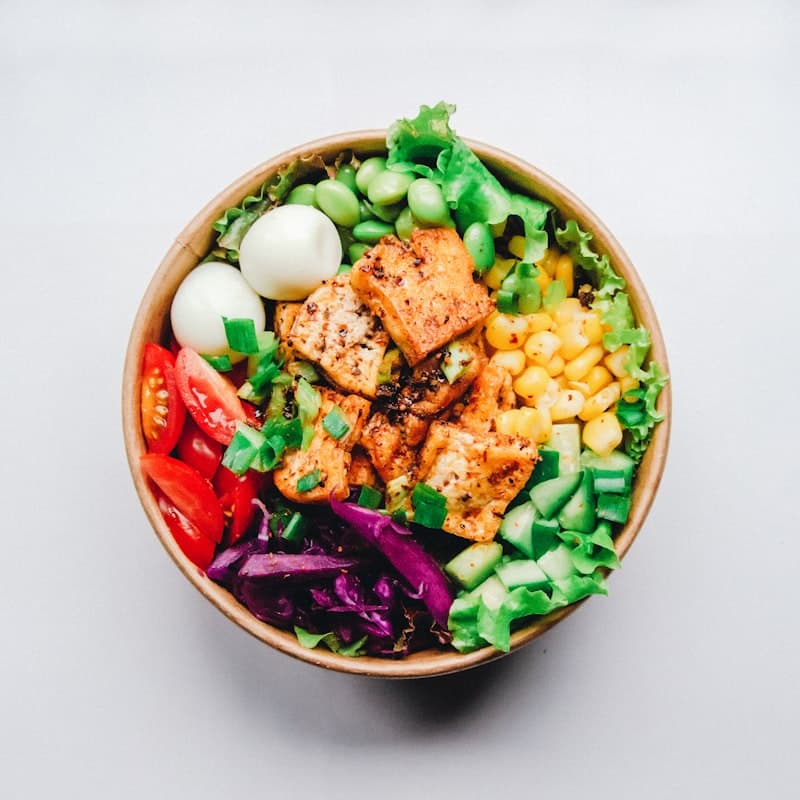
Knowing which foods that cause inflammation to cut back on is just as important as eating the right ones. Here are the biggest offenders.
Processed Meats
Hot dogs, bacon, sausage, and deli meats contain advanced glycation end products (AGEs) formed during high-heat processing. They also typically contain nitrites and sodium preservatives. The World Health Organization's International Agency for Research on Cancer classified processed meat as a Group 1 carcinogen in 2015, based on sufficient evidence that it causes colorectal cancer, with each 50 g daily portion estimated to raise colorectal cancer risk by about 18%.
Refined Carbohydrates and Added Sugars
White bread, pastries, sugary cereals, and soda cause rapid blood sugar spikes. Your body responds by releasing insulin, and chronically elevated insulin promotes the production of pro-inflammatory cytokines like IL-6 and TNF-alpha.
Trans Fats
Artificial trans fats have been effectively removed from the U.S. food supply since the FDA revoked the "generally recognized as safe" status of partially hydrogenated oils (with compliance dates between 2018 and 2020), but trace amounts can still appear in some fried and processed foods. They directly raise LDL cholesterol, lower HDL, and trigger systemic inflammation.
Excessive Alcohol
Heavy drinking increases gut permeability, allowing endotoxins to leak into the bloodstream and trigger immune responses. Even moderate drinking (more than one drink per day for women, two for men) has been associated with elevated CRP in some studies.
Refined Vegetable Oils High in Omega-6
Soybean oil, corn oil, and sunflower oil are very high in omega-6 fatty acids. While omega-6 fats aren't inherently harmful, the problem is the ratio. The typical Western diet delivers an omega-6 to omega-3 ratio of roughly 15:1, while researchers suggest a ratio closer to 4:1 or lower is healthier. This imbalance promotes the production of pro-inflammatory eicosanoids.
Ultra-Processed Foods
Chips, fast food, packaged snacks, instant noodles — these foods often contain emulsifiers, artificial additives, and refined ingredients that may disrupt the gut barrier. A 2022 cross-sectional analysis of the Melbourne Collaborative Cohort Study found that higher ultra-processed food consumption was associated with greater high-sensitivity C-reactive protein, partly independent of body weight. Because this is observational data, it shows association rather than proof of cause.
Quick Reference: Inflammatory Foods to Limit
| Food Category | Why It Promotes Inflammation | What to Swap It With |
|---|---|---|
| Processed meats | AGEs, nitrites, sodium | Fresh poultry, fish, beans |
| Refined carbs (white bread, pastries) | Blood sugar spikes, insulin resistance | Whole grains, oats, quinoa |
| Added sugars (soda, candy) | CRP elevation, IL-6 increase | Fresh fruit, small amounts of honey |
| Trans fats | LDL increase, systemic inflammation | Olive oil, avocado oil |
| Excessive alcohol | Gut permeability, endotoxin release | Sparkling water, herbal tea |
| High omega-6 oils | Omega-6/omega-3 imbalance | Olive oil, avocado oil |
| Ultra-processed foods | Emulsifiers, additives, gut disruption | Whole, minimally processed foods |
Does Sugar Cause Inflammation? (What the Research Says)
Short answer: Yes. High sugar intake promotes inflammation through several biological pathways.
Here's what happens when you consume large amounts of added sugar. Fructose — which makes up about half of table sugar and most high-fructose corn syrup — is metabolized in the liver. When you consume more than your liver can process, it produces uric acid and activates inflammatory pathways. At the same time, excess glucose binds to proteins in your bloodstream, forming advanced glycation end products (AGEs). Your immune system treats these AGEs as damaged tissue and mounts an inflammatory response.
Multiple studies support the connection. Observational research has repeatedly linked diets high in added sugars — especially sugar-sweetened beverages — to elevated CRP and other inflammatory markers. A cross-sectional NHANES analysis, for example, found that among adults with prediabetes, high sugar-sweetened-beverage intake was associated with a markedly higher likelihood of elevated CRP compared with non-consumers. Most of this evidence is observational, so it points to a strong association rather than definitive proof of cause.
There's an important distinction to make, though. Natural sugars in whole fruit don't have the same inflammatory effect. Fruit comes packaged with fiber (which slows sugar absorption), antioxidants, and polyphenols that actually counter inflammation. An apple and a can of soda might contain similar amounts of sugar, but your body processes them very differently.
Practical guidance: The American Heart Association recommends limiting added sugar to no more than 25 grams per day for women and 36 grams per day for men. For context, a single 12 oz can of soda contains about 39 grams — already over the limit for both.
Anti-Inflammatory Diet for Beginners: A Simple Framework
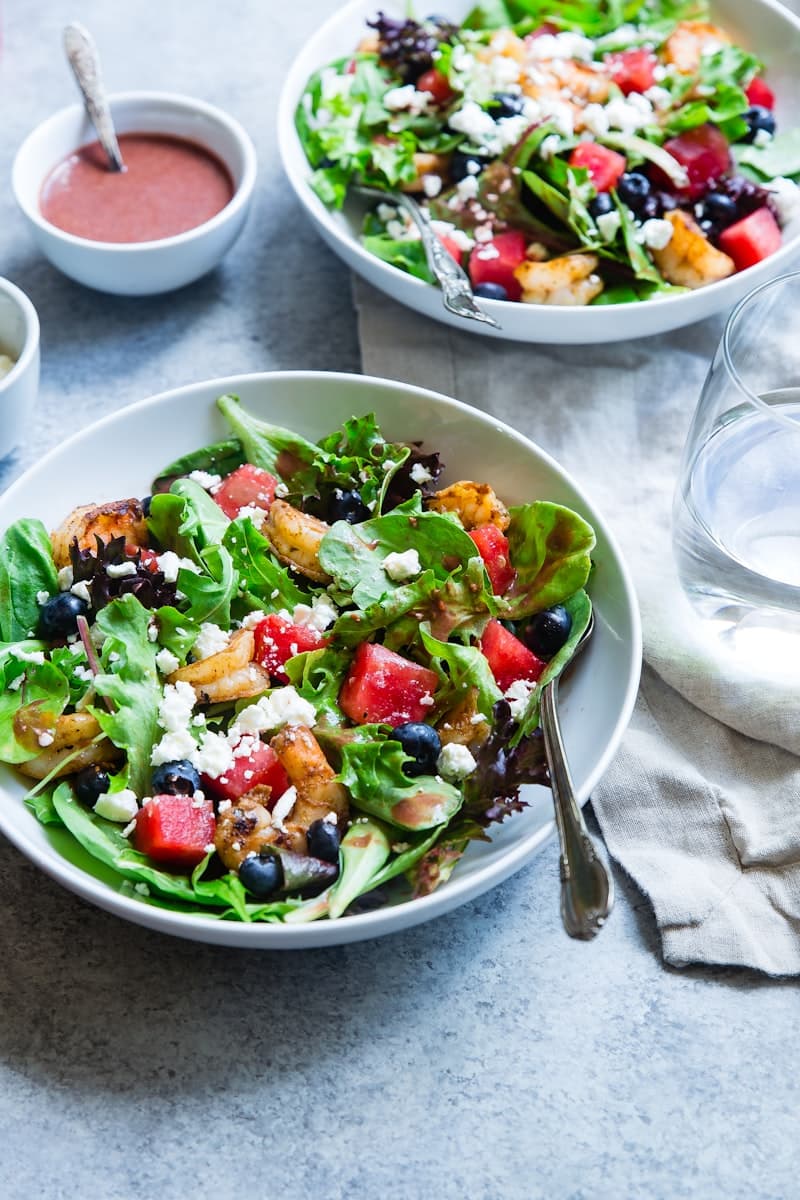
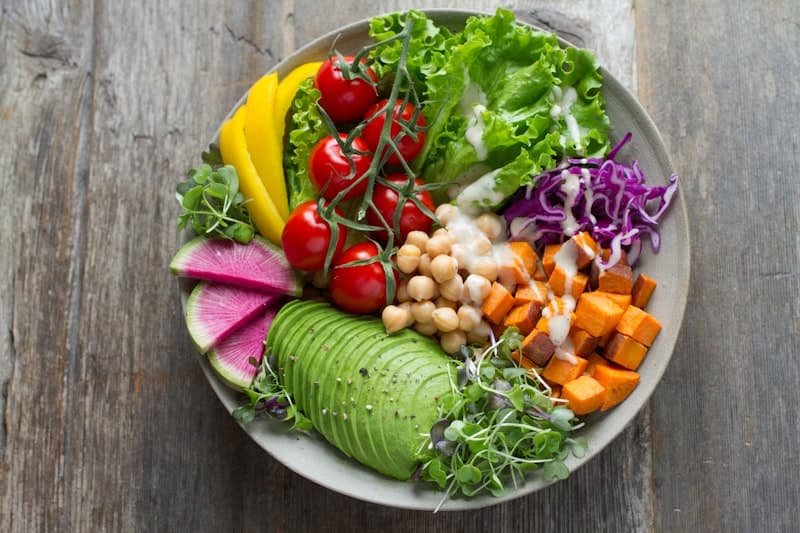
Starting an anti inflammatory diet for beginners doesn't need to be complicated. You don't need to eliminate entire food groups or follow a strict meal plan. Here's a simple three-step framework that works.
Step 1: Add More Anti-Inflammatory Foods
Don't start by cutting things out — start by adding things in. Each week, try to add one or two foods from the top 15 list above to your regular rotation. Throw blueberries in your oatmeal. Cook with olive oil instead of vegetable oil. Snack on walnuts instead of chips.
Step 2: Reduce Inflammatory Triggers
Once you've added some anti-inflammatory staples, gradually cut back on the worst offenders. Swap processed meats for fresh protein sources. Replace sugary drinks with water, tea, or sparkling water. Choose whole grains over refined ones most of the time.
Step 3: Focus on the Overall Pattern
No single meal or food determines your inflammatory status. What matters is the overall dietary pattern over weeks and months. This is where the Mediterranean diet comes in.
The PREDIMED trial — one of the largest dietary intervention studies ever conducted, following roughly 7,400 adults at high cardiovascular risk — demonstrated that a Mediterranean diet supplemented with extra virgin olive oil or mixed nuts reduced major cardiovascular events by about 30% compared to a reduced-fat control diet. (The original 2013 paper was retracted and republished in 2018 after randomization errors were corrected; the main conclusion held.) The anti-inflammatory Mediterranean diet pattern emphasizes fruits, vegetables, whole grains, legumes, nuts, olive oil, and moderate fish intake while limiting red meat and processed foods.
Beginner Grocery List
Produce section: Spinach, kale, broccoli, bell peppers, sweet potatoes, blueberries, avocados, ginger root, tomatoes, lemons
Protein: Salmon or sardines (fresh or canned), chicken breast, eggs, lentils, chickpeas, tofu
Pantry staples: Extra virgin olive oil, turmeric, cinnamon, walnuts, almonds, oats, quinoa, green tea, canned tomatoes
Frozen: Mixed berries, edamame, frozen spinach (great for smoothies)
Common Beginner Questions
Is an anti-inflammatory diet expensive? Not necessarily. Canned sardines, lentils, oats, frozen berries, and turmeric are all affordable and rank among the most potent anti-inflammatory foods.
Do I need to eliminate all processed food? No. The goal is to shift the balance, not achieve perfection. If 80% of your diet comes from whole, minimally processed foods, you're in a good place.
Can I still eat meat? Absolutely. Lean poultry and fish fit well into an anti-inflammatory diet. The key is reducing processed meats (bacon, sausage, deli meat) rather than all animal protein. Our guide to high protein foods covers anti-inflammatory protein sources in detail.
Anti-Inflammatory Breakfast Ideas (Quick and Practical)
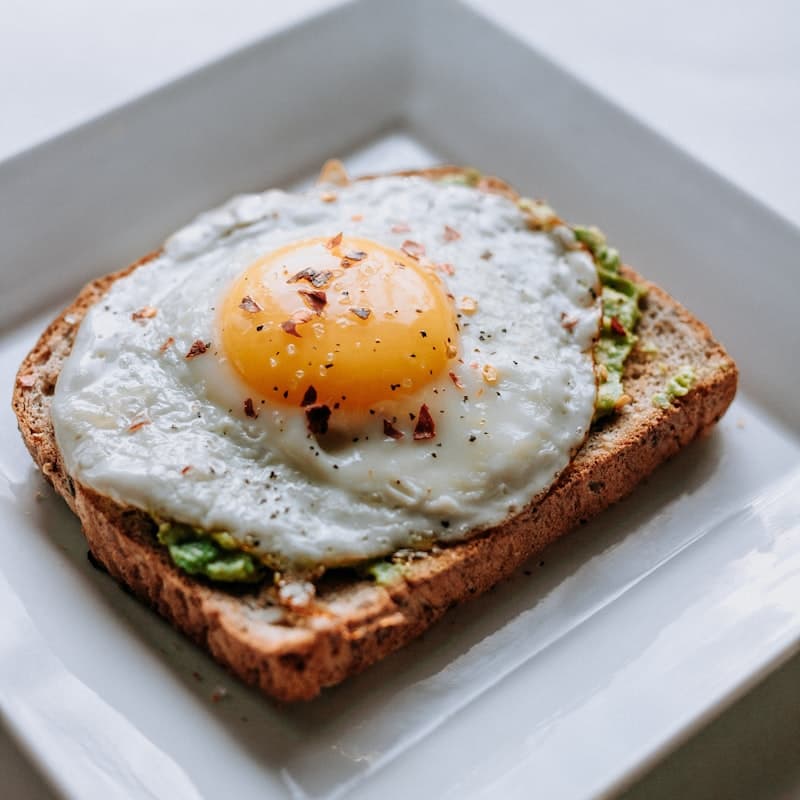
Why does breakfast matter for inflammation? Starting your day with a balanced meal that includes protein, healthy fats, and antioxidants helps stabilize blood sugar early. That prevents the glucose spikes that trigger inflammatory cascades throughout the morning.
Here are five anti inflammatory breakfast ideas that take under 10 minutes to prepare:
1. Berry Walnut Overnight Oats
Prep time: 5 minutes the night before | Protein: ~15 g
Combine 1/2 cup rolled oats, 1/2 cup Greek yogurt, 1/2 cup milk, 1 tbsp chia seeds, 1/2 cup blueberries, and a handful of crushed walnuts in a jar. Refrigerate overnight. Grab and eat cold in the morning.
Anti-inflammatory compounds: Anthocyanins (blueberries), ALA and polyphenols (walnuts), omega-3s (chia seeds)
2. Turmeric Golden Milk Smoothie
Prep time: 5 minutes | Protein: ~18 g
Blend 1 cup milk (dairy or plant-based), 1/2 frozen banana, 1 tsp turmeric, pinch of black pepper, 1/2 tsp cinnamon, 1 tbsp honey, and 1 scoop protein powder or 2 tbsp Greek yogurt.
Anti-inflammatory compounds: Curcumin (turmeric), cinnamaldehyde (cinnamon), potassium (banana)
3. Smoked Salmon Avocado Toast
Prep time: 7 minutes | Protein: ~22 g
Top two slices of whole grain toast with 1/2 mashed avocado, 2 oz smoked salmon, a squeeze of lemon, and fresh dill. Add everything-bagel seasoning if you like.
Anti-inflammatory compounds: Omega-3s (salmon), monounsaturated fat (avocado), lignans (whole grain)
4. Green Ginger Smoothie
Prep time: 5 minutes | Protein: ~14 g
Blend 1 cup fresh spinach, 1/2 frozen banana, 1/2 inch fresh ginger (peeled), 1/2 cup pineapple, 1 cup coconut water, and 1 tbsp ground flaxseed.
Anti-inflammatory compounds: Gingerols (ginger), beta-carotene (spinach), bromelain (pineapple), ALA (flaxseed)
5. Dark Chocolate Tart Cherry Yogurt Bowl
Prep time: 3 minutes | Protein: ~16 g
Top 1 cup plain Greek yogurt with 2 tbsp dried tart cherries, 1 square of dark chocolate (70%+) chopped or shaved, and 1 tbsp pumpkin seeds.
Anti-inflammatory compounds: Flavanols (dark chocolate), anthocyanins (tart cherries), zinc and magnesium (pumpkin seeds)
| Breakfast | Prep Time | Protein | Key Anti-Inflammatory Stars |
|---|---|---|---|
| Berry Walnut Overnight Oats | 5 min | ~15 g | Blueberries, walnuts, chia |
| Turmeric Golden Milk Smoothie | 5 min | ~18 g | Turmeric, cinnamon |
| Smoked Salmon Avocado Toast | 7 min | ~22 g | Salmon, avocado |
| Green Ginger Smoothie | 5 min | ~14 g | Ginger, spinach, pineapple |
| Dark Chocolate Tart Cherry Bowl | 3 min | ~16 g | Dark chocolate, tart cherries |
Anti-Inflammatory Foods for Joint Health

If you deal with stiff knees, sore fingers, or aching hips, inflammation is likely playing a central role. Both osteoarthritis (wear-and-tear joint damage) and rheumatoid arthritis (an autoimmune condition) involve inflammatory processes that degrade cartilage and cause pain.
Several anti inflammatory foods for joints have accumulated solid clinical evidence:
Omega-3 rich fish — Multiple randomized controlled trials have shown that EPA and DHA supplementation reduces joint tenderness, morning stiffness, and the number of swollen joints in rheumatoid arthritis patients. Eating fatty fish 2–3 times per week can deliver similar benefits.
Tart cherry juice — Some trials suggest tart cherry juice can lower serum urate (relevant for gout) and inflammatory markers; for example, a crossover study in overweight and obese adults reported a roughly 19% reduction in serum urate after four weeks of daily tart cherry juice. That said, the evidence is mixed — other controlled studies found no significant effect on urate or gout flares — so treat tart cherry as a promising but not proven joint-health aid.
Ginger — A 2015 meta-analysis of five randomized placebo-controlled trials in Osteoarthritis and Cartilage concluded that oral ginger was modestly effective at reducing osteoarthritis pain and disability compared to placebo, though the authors noted the evidence base was limited and called for larger trials.
Turmeric/curcumin — This is where the evidence is strongest. A 2014 randomized controlled trial published in Clinical Interventions in Aging compared turmeric (Curcuma domestica) extracts (1,500 mg/day) directly to ibuprofen (1,200 mg/day) in patients with knee osteoarthritis. After four weeks, both groups experienced similar improvements in pain and function — and the turmeric group reported fewer gastrointestinal adverse events.
Extra virgin olive oil — The oleocanthal in olive oil inhibits COX enzymes the same way ibuprofen does. While you'd need to consume a fair amount to match a pill, regular use as your primary cooking fat contributes meaningfully to your overall anti-inflammatory intake.
Practical joint-health plan: Combine 2–3 servings of fatty fish per week, a daily turmeric supplement (with piperine for absorption), fresh ginger in meals or tea, and olive oil as your go-to cooking fat. Adaptogens like ashwagandha may also support recovery by modulating stress-related inflammation.
Turmeric Benefits for Inflammation (And Other Key Anti-Inflammatory Spices)
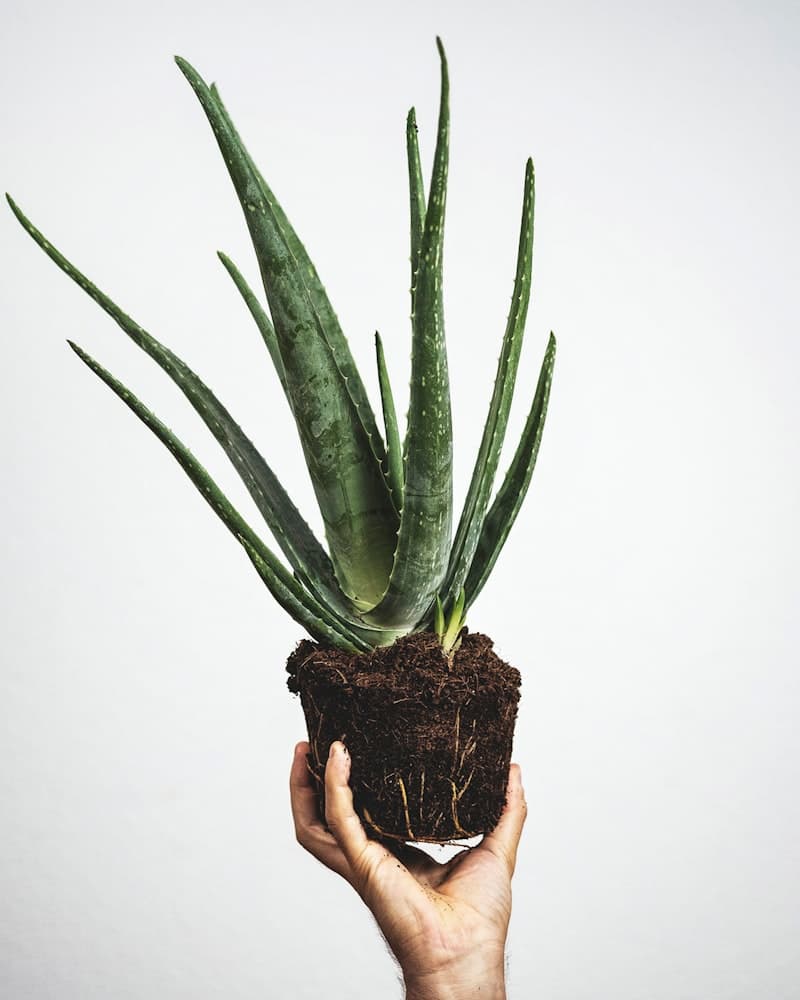
Turmeric benefits for inflammation deserve their own section because the research is that extensive — and because the practical details (like how to actually absorb curcumin) matter a lot.
Turmeric (Curcumin)
Curcumin works primarily by inhibiting the NF-kB signaling pathway, which acts like a master switch for inflammation in your cells. When NF-kB is activated, it triggers the production of pro-inflammatory cytokines, chemokines, and enzymes like COX-2. Curcumin blocks this cascade at the source.
The catch? Curcumin is notoriously poorly absorbed on its own. Your body metabolizes and eliminates it rapidly. This is where black pepper comes in. Piperine, the compound responsible for pepper's pungency, inhibits the enzymes that break down curcumin. In a classic human pharmacokinetic study published in Planta Medica (Shoba et al., 1998), co-administering 20 mg of piperine with 2 g of curcumin increased curcumin bioavailability by about 2,000% in healthy volunteers.
How to use turmeric daily:
- Golden paste: Mix turmeric powder with a little water, black pepper, and coconut oil. Store in the fridge and add a spoonful to soups, rice, or smoothies.
- Turmeric tea: Simmer 1 tsp turmeric powder in hot water with ginger, black pepper, and honey.
- Cooking: Add turmeric to eggs, roasted vegetables, soups, and rice dishes. The flavor is mild enough to disappear into most savory foods.
Ginger
Ginger contains gingerols (in fresh ginger) and shogaols (formed when ginger is dried or cooked), both of which inhibit prostaglandin and leukotriene synthesis. A systematic review and meta-analysis in Food & Nutrition Research found that ginger supplementation significantly lowered serum CRP across randomized trials.
Cinnamon
Cinnamaldehyde, the compound that gives cinnamon its distinctive flavor, has demonstrated anti-inflammatory and antioxidant properties in numerous lab studies. It appears to inhibit NF-kB signaling similarly to curcumin, though the human clinical data is less extensive. Use Ceylon cinnamon when possible — it contains lower levels of coumarin than Cassia cinnamon, making it safer for regular consumption.
Rosemary
Rosemary contains carnosic acid and rosmarinic acid, both of which have shown anti-inflammatory and antioxidant activity in laboratory studies, including suppression of inflammatory cytokine production in cell cultures. Human clinical data for rosemary specifically remain limited, so its benefits are best viewed as a plausible bonus from cooking with herbs rather than a proven therapy.
Daily spice strategy: Keep turmeric, black pepper, ginger, and cinnamon on your counter where you can see them. The easier they are to grab, the more likely you are to use them. A pinch of turmeric and black pepper in nearly any savory dish adds anti-inflammatory benefits without changing the flavor much.
Best Anti-Inflammatory Supplements (When Food Is Not Enough)

Food first — always. But sometimes your diet has gaps, and that's where supplements can help. Here are the best anti inflammatory supplements with the strongest evidence behind them.
Omega-3 Fish Oil
The most researched anti-inflammatory supplement available. If you don't eat fatty fish at least twice a week, a quality fish oil supplement is worth considering. Look for products that deliver at least 1,000 mg of combined EPA and DHA per serving. Our full omega-3 guide covers dosing, quality markers, and what to look for in a supplement.
Curcumin Supplements
Standard curcumin powder has poor bioavailability. Look for enhanced-absorption forms:
- Meriva (curcumin bound to phosphatidylcholine) — 18x better absorption
- Longvida (solid lipid curcumin) — 65x better absorption
- BCM-95 (curcumin with turmeric essential oils) — 7x better absorption
Typical research doses range from 500–1,500 mg per day of enhanced curcumin.
Ginger Extract
Standardized ginger extracts (typically containing 5% gingerols) allow you to get therapeutic doses without eating large amounts of fresh ginger. Studies have used doses of 100–250 mg per day for osteoarthritis pain.
Boswellia Serrata (Frankincense Extract)
Boswellic acids inhibit 5-lipoxygenase, an enzyme involved in leukotriene production. Multiple randomized controlled trials have shown Boswellia extract reduces pain and improves mobility in osteoarthritis patients. A typical dose is 300–500 mg of a standardized extract taken 2–3 times daily.
Bromelain
This enzyme, found naturally in pineapple, has anti-inflammatory and analgesic properties. Clinical studies have used doses of 200–400 mg per day for joint pain and post-exercise inflammation.
Quercetin
A flavonoid found in onions, apples, and berries. Quercetin inhibits several inflammatory enzymes and has shown promise in reducing markers of inflammation in human studies. Typical supplement doses range from 500–1,000 mg per day.
Quality Checklist
Before buying any supplement, check for these markers:
- Third-party testing — Look for USP, NSF, or ConsumerLab verification
- Transparent dosing — The label should list exact amounts of active compounds, not just "proprietary blend"
- Bioavailability — Especially important for curcumin; choose enhanced forms
- Reputable manufacturer — Avoid brands making extravagant health claims
Safety note: If you take blood thinners (warfarin, aspirin) or are scheduled for surgery, talk to your doctor before starting omega-3, curcumin, or ginger supplements — all can affect blood clotting. Magnesium also plays an anti-inflammatory role worth exploring.
How to Build a 7-Day Anti-Inflammatory Meal Plan
Theory is great, but what does an actual week of eating look like? Here's a realistic anti inflammatory meal plan template. Nothing fancy — just real food you can prepare without spending hours in the kitchen.
| Day | Breakfast | Lunch | Dinner | Snack |
|---|---|---|---|---|
| Mon | Overnight oats with blueberries and walnuts | Grilled chicken salad with olive oil dressing, mixed greens, cherry tomatoes | Baked salmon with roasted broccoli and quinoa | Greek yogurt with dark chocolate shavings |
| Tue | Turmeric golden milk smoothie | Lentil soup with a slice of whole grain bread | Stir-fried tofu with bell peppers, ginger, and brown rice | Handful of almonds and an apple |
| Wed | Smoked salmon avocado toast | Quinoa bowl with chickpeas, spinach, avocado, and lemon-tahini dressing | Turkey meatballs with tomato sauce and sweet potato | Tart cherry yogurt bowl |
| Thu | Green ginger smoothie | Leftover turkey meatballs and sweet potato | Sardines on whole grain toast with a side salad | Walnuts and pear |
| Fri | Dark chocolate tart cherry yogurt bowl | Tuna salad (olive oil and lemon instead of mayo) on mixed greens | Grilled chicken with roasted tomatoes, garlic, and olive oil | Edamame with sea salt |
| Sat | Veggie omelet with spinach, bell peppers, and feta | Mediterranean grain bowl — farro, roasted vegetables, hummus, olive oil | Baked cod with ginger-soy glaze, steamed bok choy, brown rice | Fresh pineapple and pumpkin seeds |
| Sun | Avocado toast with poached eggs and chili flakes | Big pot of vegetable-turmeric soup (make extra for Monday lunch) | Grilled salmon with asparagus and sweet potato | Green tea and a square of dark chocolate |
Weekly Grocery List
Produce: Spinach (2 bags), kale, broccoli (2 heads), bell peppers (4), sweet potatoes (3), tomatoes (6–8), avocados (3), blueberries (1 pint), lemons (3), ginger root, fresh turmeric (or powder), garlic, onions, asparagus, bok choy, mixed greens (2 bags), fresh herbs (dill, parsley)
Protein: Salmon fillets (2), cod or white fish (1 lb), chicken breast (1.5 lbs), ground turkey (1 lb), sardines (2 cans), tuna (2 cans), eggs (1 dozen), tofu (1 block), Greek yogurt (32 oz)
Pantry: Extra virgin olive oil, rolled oats, quinoa, brown rice, farro, lentils, chickpeas (2 cans), walnuts, almonds, pumpkin seeds, chia seeds, dark chocolate (70%+), green tea, tart cherries (dried), canned tomatoes, vegetable broth
Frozen: Edamame, mixed berries, frozen spinach
Spices: Turmeric, black pepper, cinnamon, cumin, paprika, chili flakes
This plan is a starting point, not a rigid prescription. Swap proteins, rotate vegetables based on what's fresh and affordable, and adjust portions to your needs. The overall pattern — lots of colorful plants, healthy fats, omega-3 rich fish, and minimal processed food — is what matters.
References
- Furman D, et al. Chronic inflammation in the etiology of disease across the life span. Nature Medicine, 2019.
- Dose-dependent effects of omega-3 polyunsaturated fatty acids on C-reactive protein concentrations in cardiometabolic disorders: a dose-response meta-analysis of randomized clinical trials. Inflammopharmacology, 2025.
- Blueberry supplementation attenuates oxidative stress within monocytes and modulates immune cell levels in adults with metabolic syndrome: a randomized, double-blind, placebo-controlled trial. Food & Function, 2017.
- Beauchamp GK, et al. Phytochemistry: ibuprofen-like activity in extra-virgin olive oil. Nature, 2005.
- Effects of a 2-year walnut-supplemented diet on inflammatory biomarkers (Walnuts and Healthy Aging study). Journal of the American College of Cardiology, 2020.
- Mazidi M, et al. The effect of ginger supplementation on serum C-reactive protein, lipid profile and glycaemia: a systematic review and meta-analysis. Food & Nutrition Research, 2016.
- Howatson G, et al. Influence of tart cherry juice on indices of recovery following marathon running. Scandinavian Journal of Medicine & Science in Sports, 2010.
- Henning SM, et al. Avocado consumption alters gastrointestinal bacteria abundance and microbial metabolite concentrations among adults with overweight or obesity: a randomized controlled trial. The Journal of Nutrition, 2020.
- International Agency for Research on Cancer / WHO. Carcinogenicity of the consumption of red meat and processed meat. 2015.
- Higher ultra-processed food consumption is associated with greater high-sensitivity C-reactive protein concentration in adults: cross-sectional results from the Melbourne Collaborative Cohort Study. Nutrients, 2022.
- Sugar-sweetened beverages intake, abdominal obesity, and inflammation among US adults without and with prediabetes — an NHANES study. International Journal of Environmental Research and Public Health, 2022.
- American Heart Association. How much sugar is too much?
- Estruch R, et al. Primary prevention of cardiovascular disease with a Mediterranean diet supplemented with extra-virgin olive oil or nuts (PREDIMED). New England Journal of Medicine, 2018.
- Bartels EM, et al. Efficacy and safety of ginger in osteoarthritis patients: a meta-analysis of randomized placebo-controlled trials. Osteoarthritis and Cartilage, 2015.
- Kuptniratsaikul V, et al. Efficacy and safety of Curcuma domestica extracts compared with ibuprofen in patients with knee osteoarthritis: a multicenter study. Clinical Interventions in Aging, 2014.
- Shoba G, et al. Influence of piperine on the pharmacokinetics of curcumin in animals and human volunteers. Planta Medica, 1998.
- Martin KR, et al. Consumption of 100% tart cherry juice reduces serum urate in overweight and obese adults. Current Developments in Nutrition, 2019.
- U.S. Food and Drug Administration. Final determination regarding partially hydrogenated oils (removing trans fat). 2018.
Final Thoughts on Anti-Inflammatory Foods
Chronic inflammation is one of the most significant health threats we face, and it's fueled in large part by the standard modern diet — too much sugar, too many refined carbs, too much processed food. The flip side is a real opportunity: what you eat can meaningfully reduce inflammation and lower your risk of the diseases it drives.
Here are the key takeaways from this guide:
- Add before you subtract. Start by adding blueberries, fatty fish, olive oil, turmeric, and leafy greens to your regular meals. The good stuff crowds out the bad naturally.
- Sugar is a major inflammatory driver. Cutting added sugar to below 25–36 grams per day is one of the single most impactful changes you can make.
- Spices are underrated medicine. Turmeric with black pepper, fresh ginger, and cinnamon are cheap, easy to use, and backed by real science.
- The overall pattern beats individual superfoods. No single food fights inflammation on its own. A Mediterranean-style dietary approach — rich in plants, healthy fats, and omega-3s — is the strategy with the strongest evidence.
- Supplements fill gaps, not replace food. If you don't eat fish regularly, omega-3 supplements make sense. If you want joint support, enhanced curcumin is well-studied. But whole food comes first.
Which anti-inflammatory food are you going to try first? Start with one change this week — maybe it's adding blueberries to your breakfast, swapping your cooking oil to olive oil, or brewing a cup of green tea in the afternoon. Small shifts compound over time.
For more science-backed nutrition guides, check out our posts on omega-3 fish oil benefits, high protein foods, and magnesium supplements.
Disclaimer: This article is for informational purposes only and does not constitute medical advice. Always consult a healthcare professional before making significant changes to your diet or starting new supplements, especially if you take medications or have a medical condition.
FAQ: Anti-Inflammatory Foods
What are the best anti-inflammatory foods?
The foods with the strongest scientific evidence include fatty fish (salmon, sardines), blueberries, turmeric, extra virgin olive oil, broccoli, leafy greens, walnuts, ginger, and green tea. These foods contain specific compounds — omega-3s, anthocyanins, curcumin, oleocanthal, and EGCG — that have been shown in clinical studies to reduce inflammatory markers.
Does sugar cause inflammation?
Yes. High intake of added sugars elevates inflammatory markers including CRP, IL-6, and TNF-alpha. Fructose metabolism in the liver produces uric acid and activates inflammatory pathways. The AHA recommends limiting added sugar to 25 g/day for women and 36 g/day for men.
What foods should I avoid to reduce inflammation?
The biggest offenders are processed meats (bacon, sausage, hot dogs), refined carbohydrates (white bread, pastries), added sugars (soda, candy), trans fats, excessive alcohol, refined omega-6-heavy vegetable oils, and ultra-processed foods. Reducing these while increasing whole, plant-rich foods is the most effective dietary strategy.
How long does it take for an anti-inflammatory diet to work?
Some people notice improvements in energy, digestion, or joint comfort within 2–4 weeks of consistent dietary changes. Measurable changes in blood markers like CRP typically take 8–12 weeks, based on the timelines seen in clinical trials of Mediterranean-style and anti-inflammatory dietary interventions.
Is coffee inflammatory or anti-inflammatory?
The research leans anti-inflammatory. Coffee contains polyphenols (chlorogenic acid) and other antioxidants that have been associated with lower inflammatory markers in observational studies. Moderate consumption (3–4 cups per day) appears neutral to beneficial. However, excessive caffeine, sugary coffee drinks, and unfiltered coffee (which contains cafestol) may offset some benefits.
What is the fastest way to reduce inflammation in the body?
No single action eliminates inflammation overnight, but the fastest combination is: cut added sugar and processed foods, increase omega-3 intake (fatty fish or supplements), add daily turmeric with black pepper, and prioritize sleep and regular movement. Research shows that dietary changes can begin shifting inflammatory markers within weeks.
Are eggs inflammatory?
The evidence is mixed but generally leans neutral to mildly anti-inflammatory. Eggs contain choline, vitamin D, and antioxidants like lutein. Some older observational studies linked eggs to inflammation, but those findings were largely confounded by the fact that eggs are often eaten with processed meats and refined carbs (bacon, white toast). Whole eggs, prepared with anti-inflammatory ingredients, fit well into an anti-inflammatory diet.
What is the best anti-inflammatory supplement?
The supplement with the strongest clinical evidence is omega-3 fish oil, followed closely by enhanced curcumin (Meriva, Longvida, or BCM-95 forms). For joint-specific inflammation, Boswellia serrata also has strong trial data. No supplement replaces a nutrient-dense, whole-food diet — they work best alongside dietary improvements.
Air Purifier vs Humidifier: Complete Comparison Guide (2026)
Next →HIIT vs LISS Cardio: Which Is Better for Fat Loss? (Science-Backed 2026 Guide)