High Protein Foods: Complete Science-Backed Guide (2026)
Discover the best high protein foods backed by science — daily requirements, top sources, meal ideas, and safety for weight loss and muscle gain (2026).
High Protein Foods: Complete Science-Backed Guide (2026)
If you've spent any time looking into nutrition lately, you've probably noticed one word popping up everywhere: protein. Social media is full of high-protein recipes. Grocery stores now stock protein-enriched versions of almost everything. And "high protein foods" has become one of the most searched nutrition terms online, with interest surging over 40% since 2023.
But here's the thing — for all the hype, the actual science around protein can feel confusing. One source tells you to eat 0.8 grams per kilogram of body weight. Another says you need double that. And nobody seems to agree on which high protein foods are actually the best sources.
We dug into the research to cut through the noise. In this guide, we'll cover how much protein you really need (based on your specific goal), which high protein foods deliver the most protein per calorie, how to build practical meals, and whether there's any truth to the worries about eating too much protein.
Let's get into it.
Why Protein Matters More Than You Think
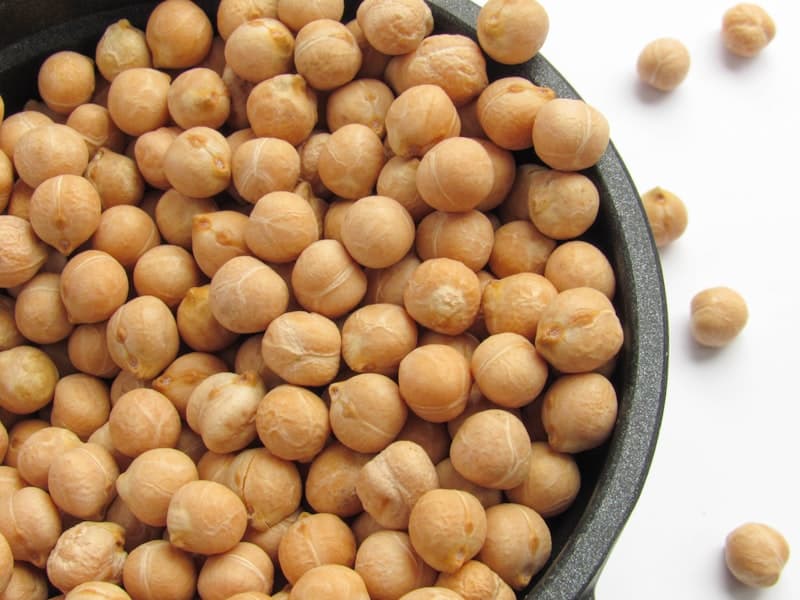
Protein isn't just for gym-goers and bodybuilders. It's one of the three macronutrients your body needs in large amounts, and it plays a role in nearly every biological process we rarely think about.
Here's what protein actually does in your body:
| Function | What It Does |
|---|---|
| Muscle synthesis | Repairs and builds muscle tissue after physical activity |
| Enzyme production | Drives thousands of chemical reactions, including digestion |
| Hormone regulation | Helps control appetite, metabolism, and growth signals |
| Immune function | Produces antibodies that defend against infection |
| Structural support | Maintains skin, hair, nails, bones, and connective tissue |
Essential vs. Non-Essential Amino Acids
Proteins are made of amino acids — think of them as building blocks. Your body can produce 11 of the 20 amino acids on its own. The other 9 are called essential amino acids, and you have to get them from food.
This is where the concept of "complete" and "incomplete" proteins comes in:
- Complete proteins contain all 9 essential amino acids in adequate amounts. Most animal-based foods (meat, fish, eggs, dairy) and a few plant foods (soy, quinoa, buckwheat) fall into this category.
- Incomplete proteins are missing or low in one or more essential amino acids. Most plant-based foods are incomplete — but you can combine them (like rice and beans) to cover the gaps.
Why does this matter more than ever? The global population is aging. Sarcopenia — age-related muscle loss — affects roughly 10% of adults over 60 (Shafiee et al., Journal of Research in Medical Sciences, 2017), and adequate protein intake is one of the most effective ways to slow it down. At the same time, fitness culture has gone mainstream. More people are lifting weights, running, and paying attention to what they eat. Protein sits at the center of all of it.
How Much Protein Do You Actually Need Per Day?
This is where most people get tripped up. The official Recommended Dietary Allowance (RDA) for protein is 0.8 grams per kilogram of body weight per day (Institute of Medicine, Dietary Reference Intakes). For a 70 kg (154 lb) person, that's about 56 grams.
But here's what the RDA actually means: it's the minimum amount needed to prevent deficiency, not the amount for optimal health. A large and growing body of research suggests that most people benefit from more.
A 2018 meta-analysis published in the British Journal of Sports Medicine by Morton and colleagues — one of the most thorough reviews on the topic, analyzing 49 studies with 1,863 participants — found that protein intakes up to about 1.6 grams per kilogram per day supported greater muscle growth during resistance training, with no further benefit observed beyond that point (the 95% confidence interval extended to 2.2 g/kg). If you're wondering how much protein per day to build muscle, the research points to roughly the 1.6 to 2.2 g/kg range as the sweet spot. A separate 2015 review in The American Journal of Clinical Nutrition (Leidy et al.) concluded that intakes of 1.2 to 1.6 g/kg help with body weight management, appetite control, and preserving muscle.
Here's a simple breakdown using the protein per kg of body weight approach:
| Goal | Daily Protein (per kg body weight) | Example: 70 kg (154 lb) person |
|---|---|---|
| General health (RDA) | 0.8–1.0 g/kg | 56–70 g |
| Weight loss (preserve muscle) | 1.2–1.6 g/kg | 84–112 g |
| Muscle building | 1.6–2.2 g/kg | 112–154 g |
| Older adults (50+) | 1.0–1.2 g/kg | 70–84 g |
How to calculate yours: Multiply your body weight in kilograms by the factor that matches your goal. (To convert pounds to kg, divide by 2.2.)
Does Protein Timing Matter?
You've probably heard that you need protein right after a workout. The "anabolic window" idea was popular for years, but newer research has tempered that claim. A meta-analysis in the Journal of the International Society of Sports Nutrition (Schoenfeld, Aragon & Krieger) found that total daily protein intake matters far more than precise timing around a workout.
That said, spreading your protein across meals makes sense from an absorption standpoint. A 2018 review in the same journal (Schoenfeld & Aragon) suggests aiming for about 0.4 g/kg of protein per meal — roughly 20 to 40 grams for most people — across at least four meals to maximize muscle protein synthesis. So rather than front-loading or back-loading all your protein, try to distribute it throughout the day.
Top 20 High Protein Foods — Ranked by Science
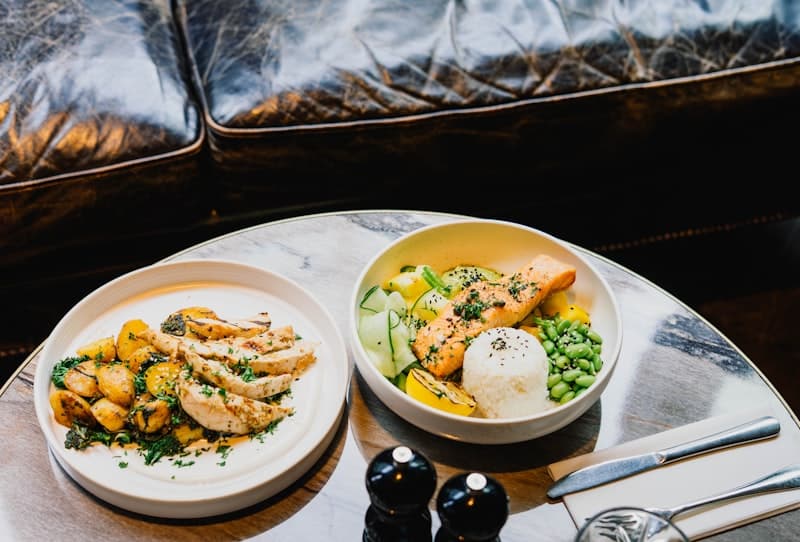
Let's get to the part you came for: which foods actually deliver the most protein. We've organized the top high protein foods into three categories — animal-based, dairy, and plant-based — with protein content per 100 grams and calorie data from the USDA FoodData Central database.
Best Animal-Based Protein Sources
Animal proteins are complete proteins, meaning they provide all 9 essential amino acids. They also tend to be highly bioavailable — your body absorbs and uses them efficiently.
| Food (100 g, cooked) | Protein | Calories | Protein/Calorie | Complete? |
|---|---|---|---|---|
| Chicken breast (skinless) | 31 g | 165 | High | Yes |
| Turkey breast | 29 g | 135 | Very high | Yes |
| Lean beef (sirloin) | 26 g | 206 | Moderate | Yes |
| Salmon | 25 g | 208 | Moderate | Yes |
| Tuna (canned in water) | 26 g | 116 | Very high | Yes |
| Shrimp | 24 g | 99 | Very high | Yes |
| Eggs (whole, ~2 large) | 13 g | 155 | Moderate | Yes |
A few practical notes:
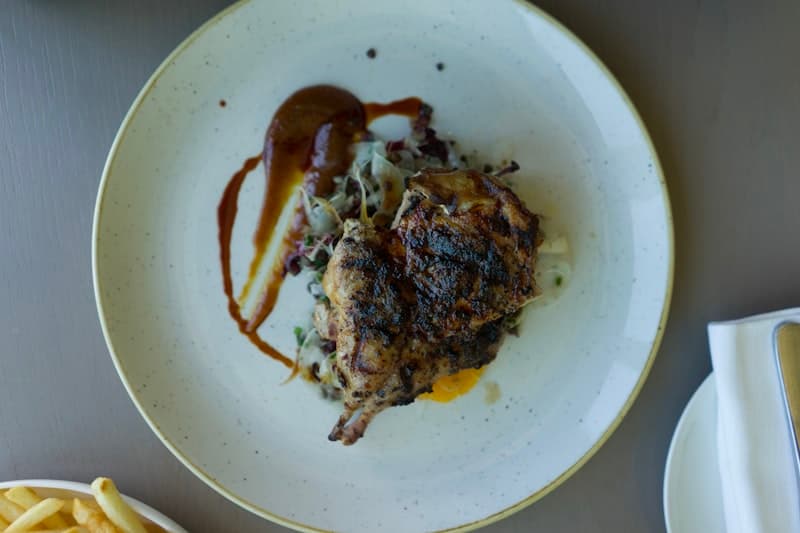
- Chicken breast is the go-to for good reason — high protein, low fat, versatile, and affordable. Grilled, baked, or shredded, it works in almost any meal.
- Tuna (canned) is one of the cheapest protein sources available. Just watch your mercury intake and limit it to 2–3 servings per week.
- Salmon brings protein plus omega-3 fatty acids, which support heart and brain health. We've written about omega-3 benefits in detail here.
- Eggs are nutrient-dense and easy to prepare. Don't skip the yolk — it contains half the protein along with vitamins A, D, and B12.
Best Dairy Protein Sources
Dairy is a protein powerhouse, and it offers the added benefit of calcium and probiotics (in fermented forms like yogurt).
| Food (100 g) | Protein | Calories | Protein/Calorie | Complete? |
|---|---|---|---|---|
| Greek yogurt (plain, nonfat) | 10 g | 59 | High | Yes |
| Cottage cheese (low-fat) | 11 g | 72 | High | Yes |
| Cheddar cheese | 25 g | 403 | Low | Yes |
- Greek yogurt has roughly twice the protein of regular yogurt. Opt for plain, unsweetened versions and add your own fruit for flavor without the sugar.
- Cottage cheese is making a comeback, and for good reason — it's rich in casein protein, which digests slowly and provides a steady release of amino acids. Great as a late-night snack.
- If you're lactose intolerant, look for lactose-free Greek yogurt or aged cheeses, which contain minimal lactose.
Best Plant-Based Protein Sources
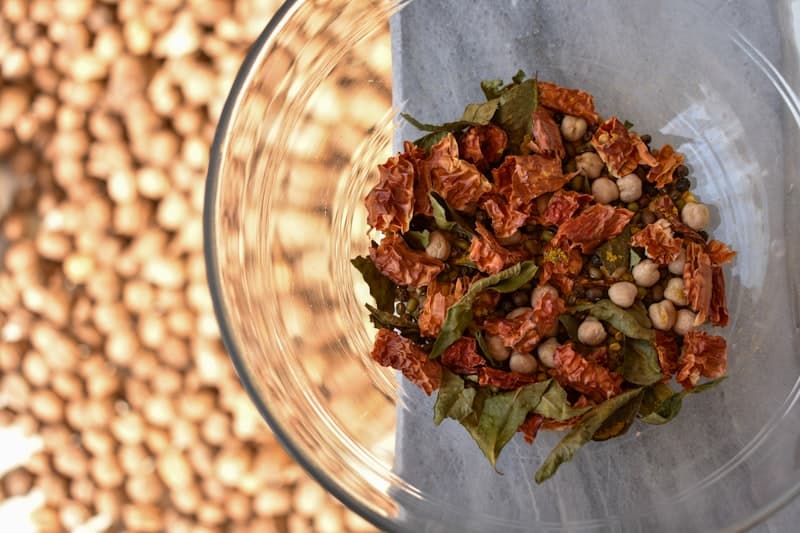
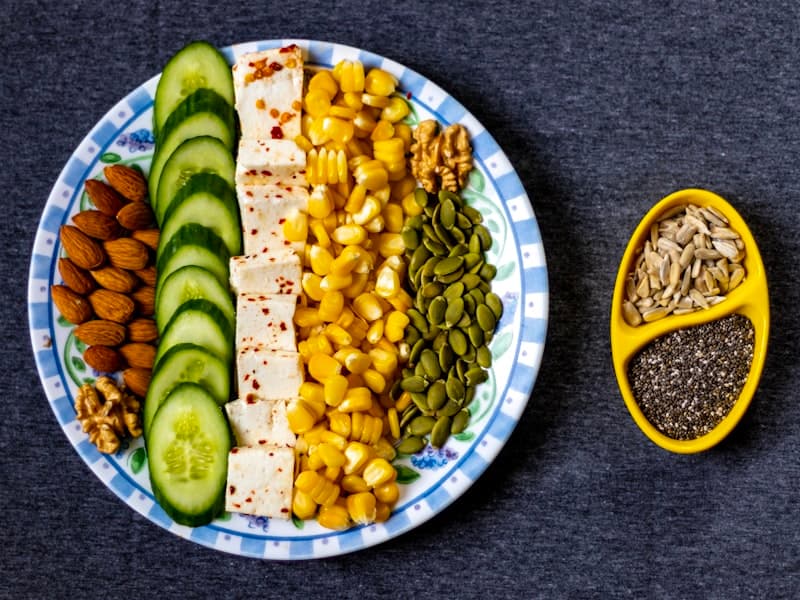
Plant proteins tend to be incomplete on their own, but that doesn't make them inferior — you just need variety. Eating different plant based protein sources throughout the day ensures you get all essential amino acids.
| Food (100 g, cooked/raw) | Protein | Calories | Protein/Calorie | Complete? |
|---|---|---|---|---|
| Tofu (firm) | 17 g | 144 | Moderate | Yes |
| Lentils (cooked) | 9 g | 116 | Moderate | No |
| Chickpeas (cooked) | 9 g | 164 | Low-Moderate | No |
| Pumpkin seeds | 30 g | 559 | Low-Moderate | No |
| Almonds | 21 g | 579 | Low | No |
| Quinoa (cooked) | 4 g | 120 | Low | Yes |
| Walnuts | 15 g | 654 | Low | No |
- Tofu and tempeh are standout plant-based protein sources because soy is a complete protein. Firm tofu has a mild flavor that absorbs marinades well.
- Lentils are cheap, shelf-stable, and cook in 20–25 minutes. Red lentils cook even faster — about 15 minutes.
- The complementary protein trick: Combine grains and legumes over the course of a day — rice and beans, hummus and pita, peanut butter on whole wheat bread. You don't need to eat them at the same meal.
High Protein Foods for Weight Loss

If weight loss is your goal, protein might be your closest ally. And the science behind high protein foods for weight loss is solid.
When you eat protein, your body releases more satiety hormones — specifically GLP-1 and PYY — which signal fullness to your brain. At the same time, protein reduces ghrelin, the hormone that drives hunger. A frequently cited study in The American Journal of Clinical Nutrition (Weigle et al., 2005) found that increasing protein to 30% of total calories led participants to spontaneously eat about 441 fewer calories per day, with a significant drop in appetite — even though they were not asked to restrict food.
Then there's the thermic effect of food (TEF). Your body burns calories just digesting what you eat, and protein has the highest TEF of all macronutrients (Westerterp, Nutrition & Metabolism, 2004):
- Protein: 20–30% of its calories are burned during digestion
- Carbohydrates: 5–10%
- Fat: 0–3%
In practical terms, if you eat 100 calories of protein, your body only "nets" about 70–80 of those calories. That's not a free pass to eat unlimited amounts, but it does give protein a real metabolic edge for weight management.
Top 5 High Protein, Low Calorie Foods
If you want to maximize protein while keeping calories in check, these high protein low calorie foods are your best bets:
- Shrimp — 24 g protein / 99 calories per 100 g
- Tuna (canned in water) — 26 g protein / 116 calories per 100 g
- Turkey breast — 29 g protein / 135 calories per 100 g
- Chicken breast (skinless) — 31 g protein / 165 calories per 100 g
- Greek yogurt (nonfat) — 10 g protein / 59 calories per 100 g
These foods give you the most protein per calorie. Build your meals around them, add vegetables for volume and micronutrients, and you'll naturally trend toward a calorie deficit without feeling deprived.
High Protein Breakfast Ideas and Snacks
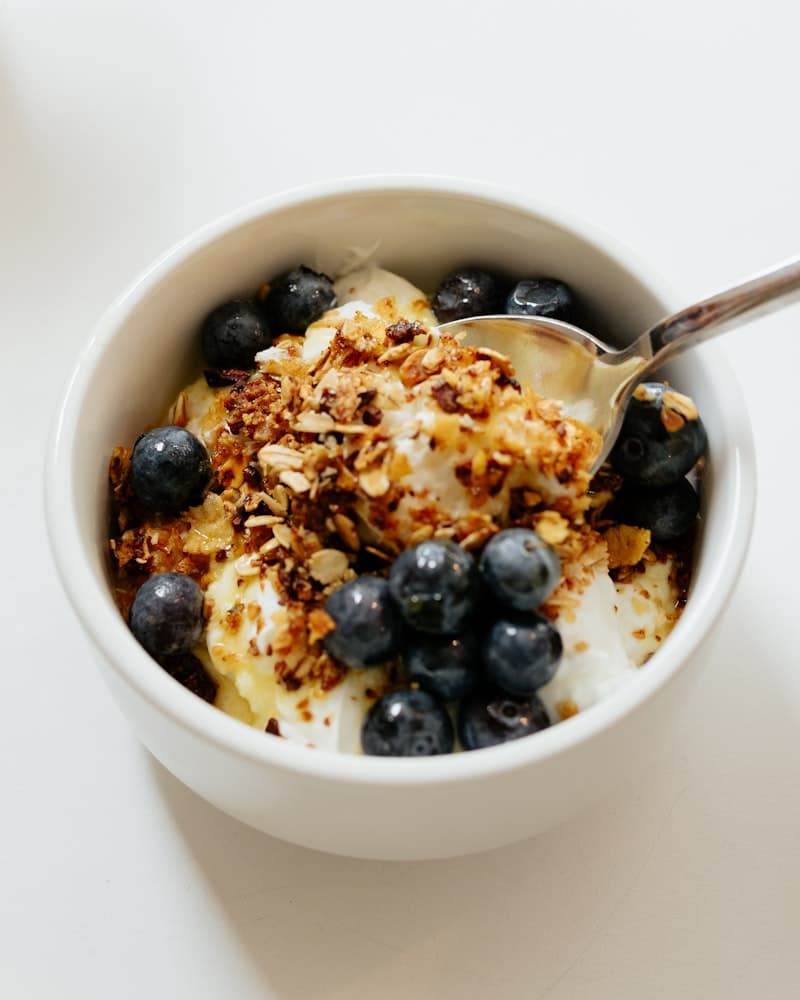
Breakfast is where most people fall short on protein. A bowl of cereal or a piece of toast might give you 3–5 grams. But research shows that a high-protein breakfast — something in the 25–35 gram range — can reduce cravings and lower total calorie intake for the rest of the day.
A 2013 study in The American Journal of Clinical Nutrition (Leidy et al.) found that participants who ate a high-protein breakfast (35 g) experienced reduced evening snacking and greater fullness compared to those who ate a normal-protein breakfast or skipped breakfast entirely. (Note: this was a small study in overweight, breakfast-skipping adolescent girls, so the exact numbers may not generalize to everyone.)
5 High Protein Breakfast Ideas
| Breakfast | Protein | Prep Time |
|---|---|---|
| Greek yogurt + berries + almonds + chia seeds | ~28 g | 3 min |
| 3 scrambled eggs + spinach + feta cheese | ~26 g | 10 min |
| Protein oatmeal (oats + protein powder + banana) | ~30 g | 5 min |
| Cottage cheese + pineapple + walnuts | ~24 g | 2 min |
| Smoked salmon + eggs on whole grain toast | ~30 g | 10 min |
7 Quick High Protein Snacks
When hunger hits between meals, reach for these high protein snacks instead of chips or candy:
- Hard-boiled eggs — 6 g each, portable, prep a batch on Sunday
- Greek yogurt cup — 10–15 g, grab and go
- Handful of almonds — 6 g per ounce (28 g)
- Cottage cheese — 11–14 g per half-cup
- Jerky (beef or turkey) — 9–12 g per ounce, perfect for on-the-go
- Edamame — 8.5 g per half-cup, also a decent source of fiber
- Tuna pouch — 15–20 g, shelf-stable and needs no refrigeration
Protein Powder vs Whole Foods: Which Is Better?
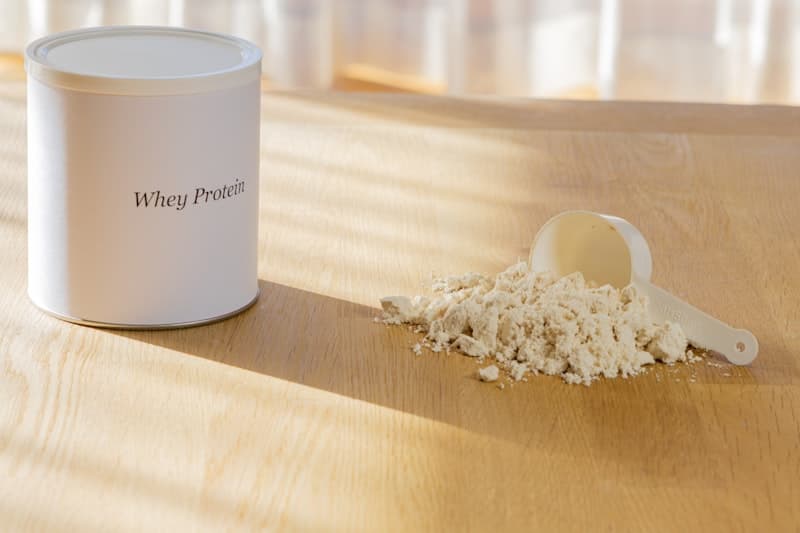
This question comes up a lot, and the honest answer is: it depends on the situation. If you've ever debated the best protein powder vs whole foods approach, here's a side-by-side look.
| Factor | Protein Powder | Whole Foods |
|---|---|---|
| Convenience | Very high — mix and drink | Moderate — requires preparation |
| Cost per gram of protein | Generally low | Varies widely |
| Micronutrients | Low (unless fortified) | High — vitamins, minerals, fiber |
| Satiety | Low to moderate | High — more chewing, more volume |
| Best use case | Post-workout, busy mornings, travel | Regular meals and snacks |
Protein powder — whether whey, casein, or plant-based — is a supplement, not a replacement. It shines in specific scenarios: right after a workout when you need fast-digesting protein, during a hectic morning when cooking isn't happening, or when you're traveling and food options are limited.
But whole foods offer things powder can't: fiber, vitamins, minerals, healthy fats, and the physical act of eating, which contributes to satiety. A chicken breast and a scoop of whey might deliver similar protein, but the chicken also gives you B vitamins, zinc, and iron.
Our take: Use both. Build your meals around whole food protein sources and keep protein powder as a convenient backup. And if you're considering collagen peptides specifically, we have a separate guide on collagen benefits and the science behind it.
Can You Eat Too Much Protein? Safety and Side Effects
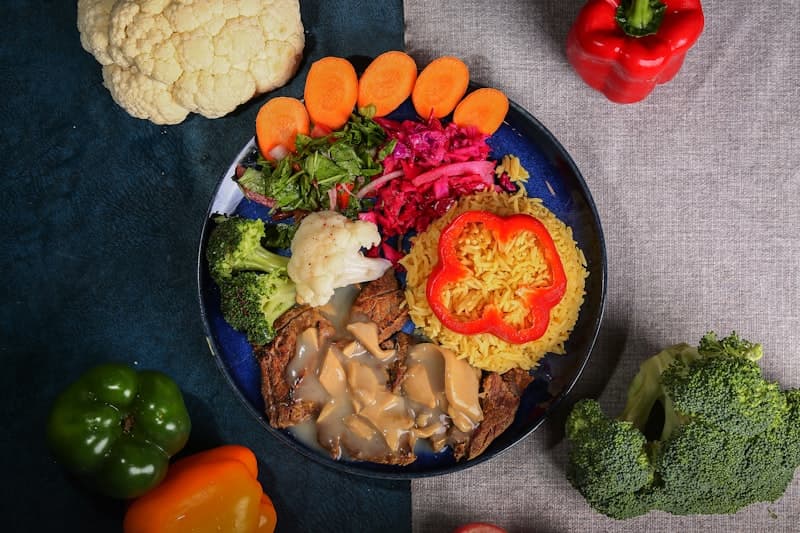
This is one of the most debated questions in nutrition. Let's look at what the research actually says.
The Kidney Myth
The idea that high protein diets damage healthy kidneys is one of the most persistent nutrition myths. It started from the fact that people with existing kidney disease need to limit protein to reduce strain on their kidneys. But for people with healthy kidney function, the evidence tells a different story.
A 2018 meta-analysis published in The Journal of Nutrition (Devries et al., 28 trials, 1,358 participants) found that higher-protein diets (defined as ≥1.5 g/kg or ≥100 g/day) did not change kidney function, as measured by glomerular filtration rate (GFR), in healthy adults compared with lower- or normal-protein diets. It's worth noting that the long-term effects of very high intakes have not been studied extensively, so this reassurance applies to people with healthy kidneys.
Signs of Too Much Protein
While high protein diets are safe for most people, going to extremes (consistently above 2.5 g/kg) can cause issues. Here are the signs of too much protein to watch for:
- Digestive discomfort — especially if you're not getting enough fiber from fruits, vegetables, and whole grains
- Dehydration — your body uses more water to process the nitrogen waste from protein breakdown
- Bad breath — in very low-carb, high-protein contexts, the body may enter ketosis
Who Should Be Cautious
If you have pre-existing kidney disease, you should work with a doctor or dietitian to determine a safe protein intake. People with a history of kidney stones should also stay well-hydrated and may benefit from moderating animal protein in favor of plant-based sources.
Fact vs. Myth
| Myth | Fact |
|---|---|
| High protein diets cause kidney damage in healthy people | A meta-analysis of 28 trials found no effect on kidney function (GFR) in healthy adults |
| High protein diets cause osteoporosis | Adequate protein actually improves bone density when calcium intake is sufficient |
| Your body can't absorb more than 30 g of protein at once | It can absorb it — it just may use some for energy rather than muscle building |
| Protein always makes you bulky | Protein supports muscle recovery; getting "bulky" requires a consistent caloric surplus and heavy training |
For most people reading this, the real problem isn't eating too much protein — it's eating too little. And if you're combining higher protein intake with regular exercise, supplements like creatine and magnesium can further support your training recovery.
How to Build a High Protein Meal Plan
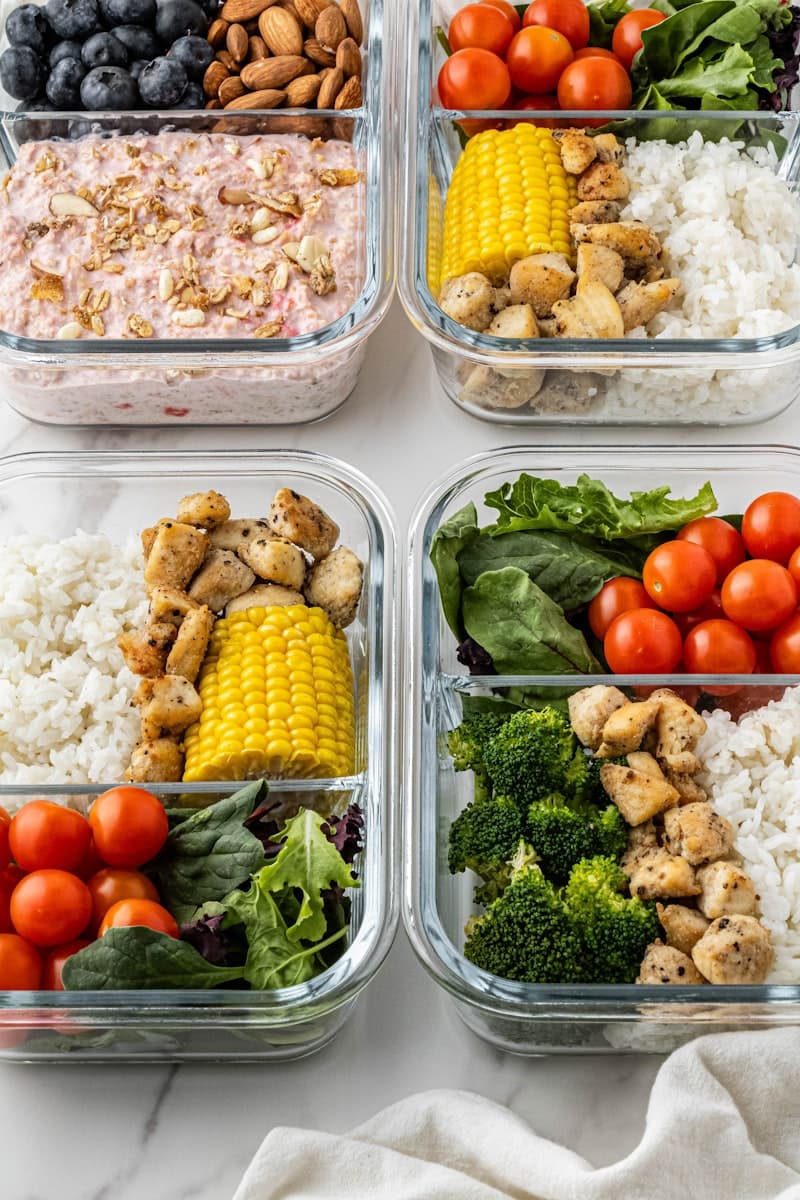
Let's put all of this together into a practical daily plan. These high protein meal prep ideas can be adapted to your schedule and preferences. This sample day provides roughly 120 grams of protein — a solid target for a 70 kg (154 lb) person focused on general fitness or weight maintenance.
| Meal | Example Menu | Protein | Approx. Calories |
|---|---|---|---|
| Breakfast | Greek yogurt + mixed berries + almonds + chia seeds | ~25 g | ~300 |
| Lunch | Grilled chicken salad with quinoa, mixed greens, olive oil dressing | ~40 g | ~450 |
| Snack | Cottage cheese + sliced apple | ~15 g | ~180 |
| Dinner | Baked salmon + lentils + roasted vegetables | ~40 g | ~500 |
| Total | ~120 g | ~1,430 |
This comes out to roughly 1,430 calories with 120 grams of protein. Adjust portion sizes based on your own calorie needs — most active adults will want to add more carbohydrates or healthy fats to hit their maintenance level.
Meal Prep Tips
- Batch-cook your protein. Grill 1–2 kg of chicken breast on Sunday and portion it into containers. Hard-boil a dozen eggs. Cook a big pot of lentils.
- Keep canned staples on hand. Tuna, chickpeas, and black beans are cheap, shelf-stable, and high in protein.
- Don't overcomplicate it. A protein source + a vegetable + a carb source is a perfectly good formula for any meal.
- Prep snacks in advance. Portion nuts into small bags, keep yogurt in the fridge at work, stock up on jerky and tuna pouches.
Budget-Friendly Protein Sources
You don't need expensive cuts of meat or premium protein powder to hit your targets. Some of the cheapest high protein foods per gram include:
- Eggs — versatile, nutrient-dense, and almost always under $0.50 per serving
- Canned tuna — one of the cheapest animal proteins available
- Lentils and beans — pennies per serving and packed with fiber too
- Chicken thighs — slightly more fat than breast, but much cheaper and more flavorful
- Greek yogurt (store brand) — often half the price of name brands with the same macros
References
- A systematic review, meta-analysis and meta-regression of the effect of protein supplementation on resistance training-induced gains in muscle mass and strength in healthy adults — Morton et al., British Journal of Sports Medicine, 2018.
- The role of protein in weight loss and maintenance — Leidy et al., The American Journal of Clinical Nutrition, 2015.
- Dietary Reference Intakes: Protein and Amino Acids (RDA 0.8 g/kg) — Institute of Medicine, Dietary Reference Intakes for Energy, Carbohydrate, Fiber, Fat, Fatty Acids, Cholesterol, Protein, and Amino Acids, 2005.
- The effect of protein timing on muscle strength and hypertrophy: a meta-analysis — Schoenfeld, Aragon & Krieger, Journal of the International Society of Sports Nutrition, 2013.
- How much protein can the body use in a single meal for muscle-building? Implications for daily protein distribution — Schoenfeld & Aragon, Journal of the International Society of Sports Nutrition, 2018.
- A high-protein diet induces sustained reductions in appetite, ad libitum caloric intake, and body weight — Weigle et al., The American Journal of Clinical Nutrition, 2005.
- Diet induced thermogenesis — Westerterp, Nutrition & Metabolism, 2004.
- Beneficial effects of a higher-protein breakfast on the appetitive, hormonal, and neural signals controlling energy intake regulation in overweight/obese, "breakfast-skipping," late-adolescent girls — Leidy et al., The American Journal of Clinical Nutrition, 2013.
- Changes in Kidney Function Do Not Differ between Healthy Adults Consuming Higher- Compared with Lower- or Normal-Protein Diets: A Systematic Review and Meta-Analysis — Devries et al., The Journal of Nutrition, 2018.
- Prevalence of sarcopenia in the world: a systematic review and meta-analysis of general population studies — Shafiee et al., Journal of Research in Medical Sciences, 2017.
Final Thoughts on High Protein Foods
Here's what the research boils down to: most people aren't eating enough protein. The RDA of 0.8 g/kg is a floor, not a target. If you're active, trying to lose weight, or over 50, you almost certainly benefit from something closer to 1.2 to 1.6 g/kg per day.
The best high protein foods come from a mix of animal and plant sources. Chicken breast, Greek yogurt, eggs, fish, lentils, and tofu are all excellent options. You don't need to overthink it — pick a few you actually enjoy eating and build meals around them.
If there's one thing to take away from this guide, it's this: calculate your daily protein target based on your body weight and goal, then try adding one more high protein food to your next meal. Small, consistent changes add up faster than you'd expect.
Ready to get started? Pick one breakfast from our list above and try it tomorrow morning. Then check out our guides on omega-3 and fish oil, creatine, and magnesium supplements — they all play a role in the bigger picture of nutrition, recovery, and performance.
HIIT vs LISS Cardio: Which Is Better for Fat Loss? (Science-Backed 2026 Guide)
Next →Strength Training for Beginners: Complete Science-Backed Guide (2026)