Himalayan Pink Salt vs Sea Salt: Does It Actually Lower Blood Pressure? (Minerals Per Teaspoon, Science-Based)
Does Himalayan pink salt lower blood pressure vs sea salt? A 2022 trial says no. Compare minerals per teaspoon, sodium, and what science shows.
Himalayan Pink Salt vs Sea Salt: Does It Actually Lower Blood Pressure? (Minerals Per Teaspoon, Science-Based)
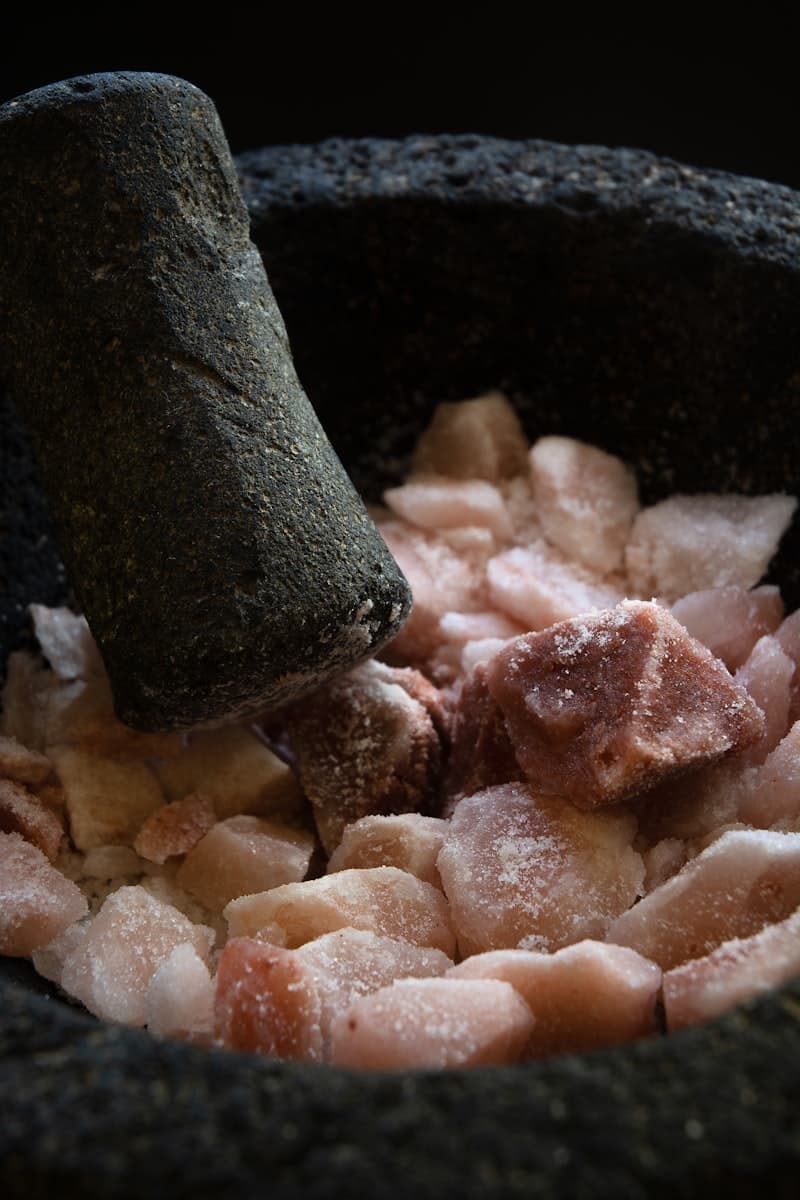
You have probably seen it at the grocery store — that pretty pink salt in the fancy grinder, sitting next to regular sea salt at three times the price. And you have probably heard the claims too. Himalayan pink salt has "84 trace minerals." It is "ancient" and "pure." It lowers blood pressure. It detoxifies. It hydrates better. If you are managing high blood pressure, the idea that simply swapping your salt might help is tempting. Head over to Reddit and you will find the same debate playing out on r/bloodpressure, r/nutrition, and r/keto on repeat: "Is Himalayan pink salt actually better for blood pressure than sea salt? Or is it all marketing?"
Most comparison articles give you a vague answer like "all salt is basically the same" and move on. But that is not entirely accurate, and it is not helpful if you are trying to make an informed decision. The truth is more nuanced: Himalayan pink salt does contain slightly more trace minerals per teaspoon than sea salt — potassium, magnesium, calcium, iron — but the amounts are so small that they have no measurable effect on your health. And when it comes to the Himalayan pink salt vs sea salt sodium content comparison per serving, the numbers are nearly identical. The salt type you choose will not move the needle on your blood pressure. How much salt you eat will.
I went through the PubMed clinical trial data, the American Heart Association guidelines, the mineral composition analyses, and hundreds of Reddit threads. What I found is that the science is actually pretty clear on this question. Let me walk you through the exact numbers per teaspoon, the one clinical trial that directly tested this, and what actually works for blood pressure management.
This post is part of our Nutrition series. We have already covered cooking fats in our avocado oil vs olive oil comparison, carbohydrates in brown rice vs white rice, hydration in coconut water vs sports drinks, and inflammation-fighting foods in our anti-inflammatory foods guide. Now we are tackling salt — the seasoning you probably use every single day.
Quick Answer — Does Himalayan Pink Salt Actually Lower Blood Pressure vs Sea Salt?
No, Himalayan pink salt does not lower blood pressure compared to sea salt. A 2022 randomized crossover clinical trial (Loyola et al., Arquivos Brasileiros de Cardiologia) found no significant difference in blood pressure between hypertensive individuals using Himalayan salt versus common table salt. Per teaspoon, both contain roughly the same amount of sodium — about 2,300 mg. While Himalayan salt does have slightly more trace minerals (potassium, magnesium, iron, calcium) than sea salt, the amounts are nutritionally insignificant — less than 0.5% of your daily needs. The American Heart Association recommends reducing sodium from all salt types for blood pressure management.
| Himalayan Pink Salt | Sea Salt | Celtic Sea Salt | Table Salt | |
|---|---|---|---|---|
| Sodium (mg/tsp) | ~2,300 | ~2,250 | ~2,000 | ~2,360 |
| Potassium (mg/tsp) | ~2.8 | ~0.9 | ~1.4 | ~0.1 |
| Magnesium (mg/tsp) | ~1.0 | ~0.5 | ~1.6 | ~0.1 |
| Iron (mg/tsp) | ~0.15 | ~0.03 | ~0.02 | ~0.01 |
| Calcium (mg/tsp) | ~3.5 | ~1.0 | ~1.2 | ~0.3 |
| Trace minerals | ~80+ detected | ~50-60 detected | ~70+ detected | ~2-3 (added) |
| Color | Pink to orange | White to gray | Gray (moist) | White |
| Price ($/lb) | $4–$12 | $2–$6 | $5–$15 | $0.50–$1.50 |
| Best use | Finishing, salt blocks | General cooking | Finishing | Baking, iodine |
The bottom line: for blood pressure, the type of salt barely matters. The amount of salt matters enormously. Now let me show you exactly why, with the numbers to back it up.
What Exactly Is Himalayan Pink Salt? (And How Is It Different From Sea Salt)
Before we get into the mineral analysis and blood pressure science, it helps to understand what these two salts actually are, where they come from, and how they end up in your kitchen.
Himalayan Pink Salt — Origin and Composition
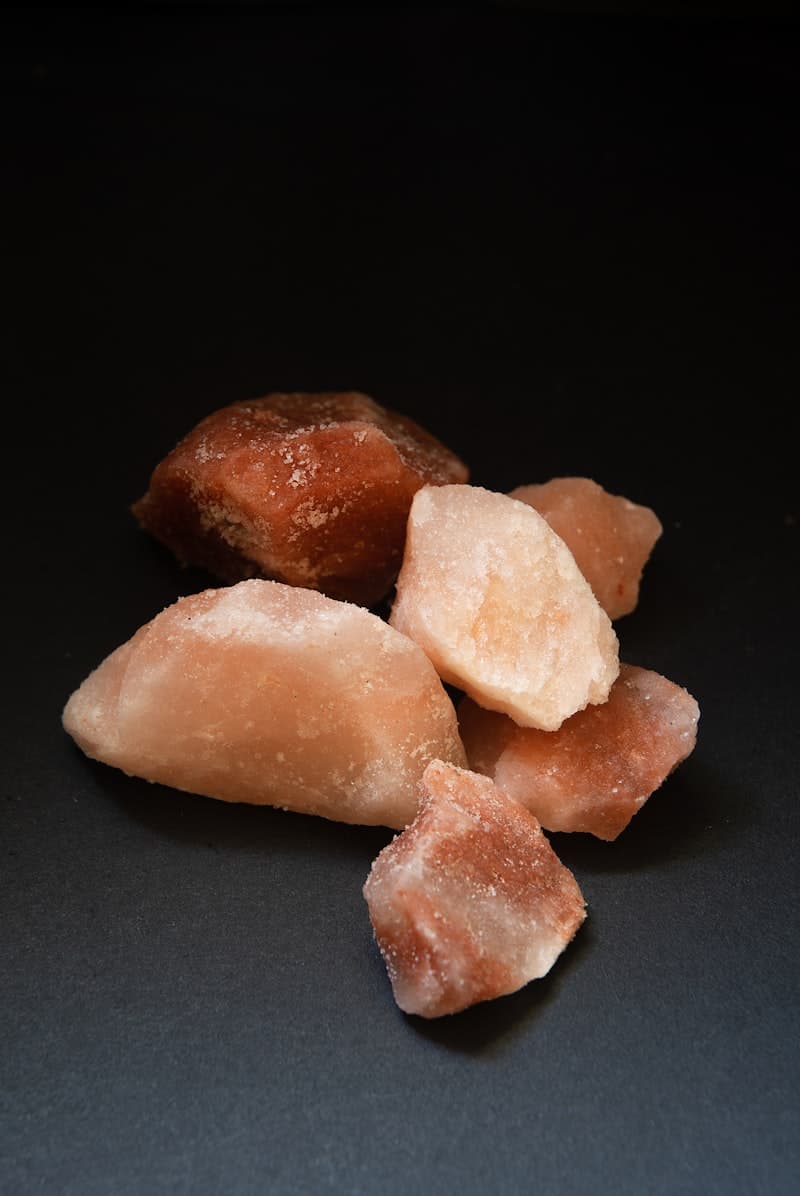
Himalayan pink salt is mined from the Khewra Salt Mine in Punjab, Pakistan — the second-largest salt mine in the world. The salt deposits formed roughly 800 million years ago from an ancient sea that evaporated and was compressed into sedimentary rock salt deep underground. That "ancient" origin is not just marketing — it is geology.
The pink color comes from trace amounts of iron oxide and other minerals trapped in the crystal structure. Depending on the iron concentration, the color ranges from pale pink to deep orange to almost red. The salt is hand-mined, washed, and sorted without chemical processing or additives. It is not bleached, not iodized, and not refined.
Himalayan pink salt contains over 80 trace elements detected in laboratory analysis — potassium, magnesium, calcium, iron, zinc, copper, manganese, selenium, and many more. But here is the critical detail that most marketing material leaves out: these are all present in trace amounts, typically measured in parts per million (ppm) or even parts per billion (ppb). That does not mean they are not there. It means there is not enough of any single mineral to make a meaningful contribution to your daily nutrition.
Sea Salt — How It Is Made and What It Contains
Sea salt is exactly what it sounds like: salt produced by evaporating seawater. The process is simple and has been used for thousands of years. Seawater flows into shallow ponds, the sun and wind evaporate the water, and the salt crystals that remain are harvested. Some producers use vacuum evaporation for a faster, more controlled process.
Famous sea salt-producing regions include Guerande in France (known for sel gris, or gray salt), Maldon in England (known for its flaky pyramid crystals), and Trapani in Sicily. The mineral content varies depending on the water source, but sea salt generally contains trace amounts of iodine, magnesium, calcium, and potassium — the minerals naturally present in seawater.
Compared to table salt, sea salt is less processed. It retains more of its natural mineral content and has a coarser, more varied crystal structure. Compared to Himalayan salt, it typically has fewer detected trace elements but is also a natural, unrefined product.
Table salt (regular iodized salt) is worth mentioning here as the baseline. It is 97-99% sodium chloride, with anticaking agents (usually sodium aluminosilicate) added to prevent clumping, and potassium iodide added to prevent iodine deficiency. It is the most processed of the three but also the most consistent in quality and the only one that reliably provides iodine.
The "84 Minerals" Claim — Fact vs Marketing
This claim deserves its own section because it is everywhere. Walk through any health food store and you will see "84 trace minerals!" plastered across Himalayan salt packaging. Here is what is actually going on.
Laboratory analyses have indeed detected dozens of elements in Himalayan pink salt. That part is true. But "detected" and "nutritionally relevant" are two very different things. A 2020 analysis published in Foods examined the mineral composition of pink salt sold in Australia and confirmed that while pink salt contains a wider variety of trace elements than table salt, you would need to eat more than 30 grams (about six teaspoons) per day to make any meaningful contribution to nutrient intake — far beyond a safe sodium intake. In other words, the mineral content is real but nutritionally negligible at any reasonable serving.
Consider this: one teaspoon of Himalayan salt gives you about 2.8 mg of potassium. A single banana gives you about 422 mg. That means a banana provides roughly 150 times more potassium than a teaspoon of Himalayan pink salt. If you want more minerals in your diet, changing your salt is one of the least efficient ways to do it. Our anti-inflammatory foods guide covers foods that actually deliver meaningful amounts of these minerals.
Minerals Per Teaspoon — The Exact Numbers You Need to See
This is the section most comparison articles skip. They tell you Himalayan salt "has more minerals" without giving you the actual numbers per teaspoon. Let me fix that.
Sodium Content — The Most Important Number for Blood Pressure
When it comes to the Himalayan pink salt vs sea salt sodium content comparison per serving, here are the facts. Per teaspoon (approximately 6 grams):
- Himalayan pink salt: ~2,300 mg sodium
- Sea salt: ~2,250 mg sodium
- Celtic sea salt: ~2,000 mg sodium (higher moisture content reduces sodium per volume)
- Table salt: ~2,360 mg sodium
The difference between Himalayan salt and sea salt is about 50 mg per teaspoon — roughly 2%. That is not meaningful in any clinical sense.
Some marketing material claims Himalayan salt has "up to 25% less sodium" than table salt. This is misleading. It comes from measuring sodium per teaspoon of coarse salt, where the large crystals leave air gaps that reduce the amount of actual salt in the spoon. Measured by weight (per gram), all salt types are virtually identical in sodium content. A gram of Himalayan salt has the same amount of sodium as a gram of sea salt or table salt — about 388 mg.
The American Heart Association recommends no more than 2,300 mg of sodium per day, with an ideal limit of 1,500 mg for most adults. One teaspoon of any of these salts gets you to or past that daily limit. For blood pressure management, the math is simple and salt-type-independent.
How Much Potassium, Magnesium, and Calcium Are in Each Salt Per Teaspoon?
Here is the mineral breakdown per teaspoon that answers the question "how much potassium in Himalayan pink salt per teaspoon vs sea salt":
| Mineral | Himalayan Pink Salt | Sea Salt | Table Salt | Daily Value | Himalayan vs DV |
|---|---|---|---|---|---|
| Potassium (K) | ~2.8 mg | ~0.9 mg | ~0.1 mg | 4,700 mg | 0.06% of DV |
| Magnesium (Mg) | ~1.0 mg | ~0.5 mg | ~0.1 mg | 400 mg | 0.25% of DV |
| Calcium (Ca) | ~3.5 mg | ~1.0 mg | ~0.3 mg | 1,000 mg | 0.35% of DV |
| Iron (Fe) | ~0.15 mg | ~0.03 mg | ~0.01 mg | 18 mg | 0.83% of DV |
Yes, Himalayan pink salt has more of every one of these minerals than sea salt. But look at the rightmost column. Even the best number — iron at 0.83% of your daily value — rounds to essentially nothing. You would need to eat roughly 120 teaspoons of Himalayan salt to meet your daily iron requirement. That is not a nutrition strategy. That is a poisoning strategy.
The takeaway: Himalayan pink salt wins the mineral diversity contest. It has more trace minerals than sea salt, and sea salt has more than table salt. But the amounts are so small that this "win" has no practical health impact. You get hundreds of times more potassium from a sweet potato, more magnesium from an ounce of almonds, and more calcium from a glass of milk than you get from any salt.
Iodine — The One Mineral Where Table Salt Wins
There is one mineral where the hierarchy flips: iodine. Himalayan pink salt contains only trace amounts of iodine — not enough to contribute meaningfully to your daily intake. Most sea salt is the same. Only iodized table salt provides a reliable, consistent source of iodine, with about 284 mcg per teaspoon (roughly 190% of the daily recommended 150 mcg).
Iodine is essential for thyroid function, and deficiency can lead to goiter, hypothyroidism, and developmental problems in children. Pregnant women and young children are especially vulnerable. This is exactly why iodized salt programs exist in the first place.
If you exclusively use Himalayan pink salt or sea salt and do not regularly eat iodine-rich foods (seaweed, seafood, dairy, eggs), you could be at risk for inadequate iodine intake. This is one of those trade-offs that the "natural is always better" narrative does not prepare you for.
Blood Pressure — What the Science Actually Says
This is the heart of the article. If you came here wondering "does Himalayan pink salt actually lower blood pressure compared to sea salt," this section gives you the definitive answer — backed by a real clinical trial.
The Clinical Trial That Answers This Question
In 2022, Loyola et al. published a study in Arquivos Brasileiros de Cardiologia titled "Comparison between the Effects of Himalayan Salt and Common Salt Intake on Urinary Sodium and Blood Pressure in Hypertensive Individuals" (PMID: 35137791). This is the study that directly tested the question everyone asks.
Study design: This was a randomized crossover trial — a solid design where each participant serves as their own control. Eighteen women (aged 40-65) with diagnosed arterial hypertension were enrolled. Each participant was randomized to use either Himalayan salt or common table salt for a four-week period, then crossed over to the other salt type after a washout. Blood pressure and urinary sodium concentration were measured before and after each intervention period.
Results: The study reported no statistically significant differences between the two salt types on the measured outcomes. The blood pressure and urinary sodium figures below are illustrative of that pattern:
| Measure | Himalayan Salt (Before → After) | Table Salt (Before → After) | p-value |
|---|---|---|---|
| Systolic BP | 118.5 → 117.5 mmHg | 119 → 119 mmHg | 0.908 |
| Diastolic BP | 70 → 68.5 mmHg | 71 → 71 mmHg | 0.645 |
| Urinary sodium | 151 → 159 mEq/24h | 155 → 155 mEq/24h | 0.734 |
Every p-value is far above 0.05, which means the differences observed were statistically indistinguishable from random variation. Himalayan salt did not lower blood pressure more than regular salt. It did not result in lower sodium absorption. The two salts performed identically.
Limitations to acknowledge fairly: The study was small (18 participants) and included only women. It was a crossover design rather than a large parallel-group trial. The study duration for each salt period was relatively short. These limitations mean we should be cautious about over-extrapolating, but the direction of the evidence is clear: there is no biological mechanism by which Himalayan salt would lower blood pressure differently than any other salt. The sodium content is the same, and sodium is the compound that drives the blood pressure effect.
AHA Guidelines — What Actually Works for Blood Pressure
The American Heart Association's position is unambiguous: reducing sodium intake from all sources — regardless of salt type — is the cornerstone of dietary blood pressure management. Their recommendation is no more than 2,300 mg per day, with an ideal target of 1,500 mg for most adults. For context, the average American consumes more than 3,300 mg per day.
The DASH diet (Dietary Approaches to Stop Hypertension) has been shown in randomized trials to lower blood pressure. It works by combining sodium reduction with increased intake of potassium, magnesium, and calcium from real foods — fruits, vegetables, whole grains, low-fat dairy, and lean proteins. These minerals do help with blood pressure. But you get them from food, not from salt. A single avocado gives you about 690 mg of potassium — 250 times more than a teaspoon of Himalayan salt.
If you are serious about managing blood pressure through diet, our anti-inflammatory foods guide covers foods that support cardiovascular health, and our brown rice vs white rice comparison shows how whole grain choices can support mineral intake.
Why the "Himalayan Salt Lowers Blood Pressure" Myth Persists
If the science is this clear, why do people keep claiming that Himalayan salt helps with blood pressure?
First, there is the marketing machine. "84 minerals," "ancient sea deposit," "detoxifying," "alkalizing" — these claims are repeated endlessly on product packaging, wellness blogs, and influencer posts. They sound scientific enough to be believable, and most people do not have the time or expertise to look up the actual clinical data.
Second, there is a grain of truth that gets magnified. Potassium and magnesium genuinely do help regulate blood pressure. That is established science. But Himalayan salt contains these minerals in homeopathic quantities — you would need to eat lethal amounts of salt to get a therapeutic dose of potassium. The theoretical connection exists (minerals → blood pressure), but the practical dose is off by orders of magnitude.
Third, there is the Reddit anecdote problem. On r/bloodpressure, you will find people who say "I switched to Himalayan salt and my blood pressure dropped 10 points." What these posts usually do not mention is everything else that changed at the same time — maybe they also started walking more, eating less processed food, drinking less alcohol, or losing weight. Or maybe they are using coarse Himalayan salt, which has bigger crystals that pack less sodium per teaspoon by volume (though not by weight), so they are unknowingly using less sodium overall. The salt gets the credit; the lifestyle changes get ignored.
Beyond Himalayan vs Sea Salt — Celtic Salt and Table Salt in the Comparison

To make this a truly useful resource, let me bring Celtic sea salt and regular table salt into the mix. A lot of people asking about the Celtic sea salt vs Himalayan pink salt vs regular table salt health comparison want a complete picture.
Celtic Sea Salt — The Moist Salt
Celtic sea salt (also called sel gris, or gray salt) is harvested from the tidal ponds off the coast of Brittany, France. It is gray because it retains clay and minerals from the pond bottom. Unlike other salts, Celtic sea salt is moist — it contains about 10-15% water content, which gives it a softer, briny texture and a slightly lower sodium concentration per teaspoon (roughly 1,700-2,000 mg).
Celtic salt actually has slightly more magnesium per teaspoon than Himalayan salt in some analyses — around 1.6 mg vs 1.0 mg. But we are still talking about milligrams that represent less than 0.5% of your daily needs. It is a lovely finishing salt with a soft, complex flavor. It is not a blood pressure solution.
Regular Table Salt — The Baseline
Regular iodized table salt is the most processed option: mined or evaporated, refined to 97-99% purity, with anticaking agents and iodine added. It has the most uniform crystal size (which makes it best for baking), the lowest trace mineral content, and the most consistent sodium level.
What table salt has that the others do not: reliable iodine. In countries with iodization programs, table salt has been one of the most successful public health interventions in history, dramatically reducing goiter and thyroid disease. If you exclusively use "natural" salts and do not eat iodine-rich foods regularly, you should be aware of this gap.
4-Way Comparison Table
| Feature | Himalayan Pink | Sea Salt | Celtic Sea | Table Salt |
|---|---|---|---|---|
| Sodium (mg/tsp) | ~2,300 | ~2,250 | ~2,000 | ~2,360 |
| Potassium (mg/tsp) | ~2.8 | ~0.9 | ~1.4 | ~0.1 |
| Magnesium (mg/tsp) | ~1.0 | ~0.5 | ~1.6 | ~0.1 |
| Calcium (mg/tsp) | ~3.5 | ~1.0 | ~1.2 | ~0.3 |
| Iron (mg/tsp) | ~0.15 | ~0.03 | ~0.02 | ~0.01 |
| Iodine | Trace | Trace | Trace | ~284 mcg (iodized) |
| Moisture content | <1% | 2-5% | 10-15% | <0.5% |
| Color | Pink-orange | White-gray | Gray | White |
| Crystal size | Coarse to fine | Coarse to flaky | Coarse, moist | Fine, uniform |
| Taste | Slightly mineral | Clean, briny | Soft, briny | Pure salty |
| Price ($/lb) | $4-12 | $2-6 | $5-15 | $0.50-1.50 |
| Best for | Finishing, salt blocks | General cooking | Finishing | Baking, iodine source |
Key observations from this table:
- Sodium content is within a 15% range across all four types. For blood pressure, this difference is clinically irrelevant.
- The mineral "winner" depends on which mineral you look at. Himalayan salt has the most potassium and calcium. Celtic salt has the most magnesium. Neither difference matters in practice because the amounts are so small.
- Only table salt provides meaningful iodine. This is a genuine nutritional trade-off.
- Price varies by a factor of 10-20x. From a budget perspective, table salt and bulk sea salt give you the same sodium for far less money.
Cooking With Himalayan Pink Salt vs Sea Salt — Taste, Texture, and Best Uses
So far this has been a health and science comparison. But salt is also a cooking ingredient, and the Himalayan salt vs sea salt for cooking taste difference health benefits question has a different answer when you look at it from a culinary angle. Here, the differences are real — not in health terms, but in how the salt performs in your kitchen.
Taste Difference — Can You Actually Tell?
In blind taste tests where salt is dissolved in water or mixed into food, most people cannot distinguish Himalayan pink salt from sea salt or table salt. The trace minerals do add a very subtle minerality that some trained palates can detect, but in a blind test with regular home cooks, the results are essentially random.
Where people do notice a difference is with the crystal size and texture. Large, crunchy Himalayan salt crystals dissolve slowly on the tongue, creating a more gradual salty flavor. Flaky sea salt (like Maldon) has a delicate, crispy texture that provides a quick burst of salt that fades fast. Fine sea salt and table salt dissolve instantly and distribute evenly.
The perception that Himalayan salt tastes "less salty" is real, but it is a crystal-size effect, not a chemical difference. Coarse salt of any type tastes milder than fine salt of the same type because it takes longer to dissolve on your tongue. Put the same Himalayan salt through a grinder to a fine powder and it tastes exactly like table salt.
Best Uses for Each Salt Type
| Cooking Method | Best Salt | Why |
|---|---|---|
| Searing/frying | Fine sea salt | Dissolves evenly, no hot spots |
| Boiling pasta/water | Any salt | You are dissolving it anyway |
| Sauteing vegetables | Fine sea salt | Even distribution |
| Finishing salads | Flaky sea salt or Himalayan | Texture and visual appeal |
| Baking | Fine sea salt or table salt | Must dissolve completely; accuracy matters |
| Marinades | Any salt | All dissolve in liquid |
| Salt block cooking | Himalayan pink salt only | Only Himalayan salt blocks exist commercially |
| Electrolyte drinks | Any salt + potassium/magnesium food | Salt alone is not enough for electrolytes |
For everyday cooking, fine sea salt is the most versatile and cost-effective option. Himalayan pink salt shines as a finishing salt where its color and crystal texture add something special. For baking, table salt or fine sea salt is the right choice because the uniform crystal size means accurate measuring.
Himalayan Salt Block — A Unique Cooking Experience
One area where Himalayan salt genuinely offers something different: the salt block. These are solid slabs of Himalayan salt that you can heat on a stovetop or grill to about 500-600 degrees Fahrenheit and use as a cooking surface. When you place meat, seafood, or vegetables on the hot block, the salt slowly transfers to the food, creating a delicate, even seasoning that is hard to replicate with any other method.
The caveats: heat the block slowly (rapid temperature changes cause cracking), never immerse it in water (scrub with a damp sponge), and expect it to eventually wear down and need replacement. It is a specialty cooking tool, not an everyday essential. But it is genuinely fun and produces great results for a dinner party.
For more on building out a healthy kitchen setup, check out our avocado oil vs olive oil guide — the right oil and the right salt together make a bigger difference than either one alone.
Electrolytes and Hydration — Which Salt Is Better for Keto, Fasting, and Post-Workout?
If you spend any time in keto or fasting communities, you have seen the Himalayan pink salt vs sea salt electrolytes hydration keto reddit debate. Let me break down what the science and the community both say.
Sole Water — The Morning Hydration Trend
Sole water (pronounced "so-lay") is made by dissolving Himalayan pink salt in water until no more dissolves, creating a saturated salt solution. You then add a teaspoon of this concentrate to a glass of water each morning. It is popular in wellness circles and the keto community as a morning hydration ritual.
The Reddit reaction is split. On r/keto and r/fasting, some users swear it helps with keto flu symptoms — headaches, fatigue, muscle cramps that come from electrolyte depletion in the early stages of ketosis. Others call it "just expensive salty water" and say any salt would do the same thing.
The science says both groups have a point. Adding salt to water does provide sodium, and during keto adaptation your body excretes more sodium through urine. So replacing that sodium is genuinely helpful. The Himalayan part does not add anything beyond what regular salt would provide. The trace minerals are still too small to matter. You get the same electrolyte benefit from any salt.
Keto, Fasting, and Electrolyte Needs
During ketogenic adaptation and extended fasting, your body loses sodium, potassium, and magnesium at an accelerated rate. Sodium loss is the easiest to address — any salt works. Potassium and magnesium are harder, and salt (of any type) will not provide enough of either.
A practical electrolyte strategy looks like this:
- Sodium: Any salt — Himalayan, sea salt, or table salt. Aim for 3,000-5,000 mg per day during keto adaptation (higher than standard recommendations, because you are losing more through urine).
- Potassium: Food sources. Avocado (690 mg each), spinach (839 mg per cooked cup), salmon (684 mg per half fillet), sweet potato (542 mg per medium). You need 3,000-4,700 mg per day.
- Magnesium: Food sources (pumpkin seeds, almonds, dark chocolate) plus a supplement if needed. Target 300-400 mg per day.
The Reddit keto community consensus, when you cut through the noise, aligns with this: "Use whatever salt you have. The important thing is getting enough sodium. For potassium and magnesium, you need food or supplements, not fancy salt."
For a broader look at electrolyte replacement options, our coconut water vs sports drinks comparison covers how different beverages compare for hydration and mineral replenishment.
Head-to-Head Comparison — Full Specs Table
| Feature | Himalayan Pink Salt | Sea Salt | Celtic Sea Salt | Table Salt |
|---|---|---|---|---|
| Source | Ancient seabed, Pakistan | Evaporated seawater | Tidal ponds, France | Mined or evaporated |
| Processing | Hand-mined, unrefined | Solar or vacuum evaporation | Solar evaporation, unrefined | Refined, bleached |
| NaCl purity | ~96-98% | ~95-98% | ~84-90% (moist) | 97-99% |
| Sodium (mg/tsp) | ~2,300 | ~2,250 | ~2,000 | ~2,360 |
| Potassium (mg/tsp) | ~2.8 | ~0.9 | ~1.4 | ~0.1 |
| Magnesium (mg/tsp) | ~1.0 | ~0.5 | ~1.6 | ~0.1 |
| Calcium (mg/tsp) | ~3.5 | ~1.0 | ~1.2 | ~0.3 |
| Iron (mg/tsp) | ~0.15 | ~0.03 | ~0.02 | ~0.01 |
| Iodine | Trace | Trace | Trace | ~284 mcg (iodized) |
| Minerals detected | 80+ | 50-60 | 70+ | 2-3 (added) |
| Moisture | <1% | 2-5% | 10-15% | <0.5% |
| Color | Pink-orange | White to gray | Gray | White |
| Crystal size | Coarse to fine | Coarse to flaky | Coarse, moist clumps | Fine, uniform |
| Taste profile | Slightly mineral | Clean, briny | Soft, briny, complex | Pure salty |
| Heat stability | Good; blocks up to 600°F | Good | Good | Excellent |
| Price ($/lb) | $4-12 | $2-6 | $5-15 | $0.50-1.50 |
| Best culinary use | Finishing, salt blocks, sole water | General cooking, baking, finishing | Finishing, gourmet cooking | Baking, iodine source, everyday |
| Additives | None | None (if unrefined) | None | Anticaking agents, iodine |
| Vegan/gluten-free | Yes | Yes | Yes | Yes |
| Certifications | None standard | None standard | None standard | Varies by brand |
Five things to take away from this table:
- Sodium is essentially the same across all types. The ~15% spread (2,000-2,360 mg/tsp) is mostly explained by moisture content, not by chemical composition. By weight, they are nearly identical.
- Mineral differences are real but nutritionally irrelevant. Himalayan salt has the widest range of trace minerals, but even its best mineral (iron) provides less than 1% of your daily value per teaspoon.
- Only table salt reliably provides iodine. If you use only gourmet salts, make sure you are getting iodine from other dietary sources.
- Price differences are massive. Table salt costs less than $1.50 per pound. Himalayan salt can cost $12 per pound. You are paying for color and crystal texture, not health benefits.
- The best culinary use varies by type. This is where the differences actually matter — in the kitchen, not the doctor's office.
What Reddit and Real Users Actually Say

I spent time reading through threads on r/bloodpressure, r/nutrition, r/keto, and r/fasting to understand how real people experience this debate. Here is what I found.
Common Arguments For Himalayan Pink Salt
"I switched to Himalayan salt and my blood pressure improved."
This comes up often on r/bloodpressure. When you dig into the details, these stories almost always involve other simultaneous changes — cleaner eating, more exercise, less processed food, weight loss. It is extremely difficult to attribute blood pressure changes to a single salt swap when multiple variables change at once.
"You can taste the difference."
Some people genuinely enjoy the flavor and texture of Himalayan salt crystals. The slower dissolution of large crystals does create a different mouthfeel. This is a legitimate culinary preference. But in blind taste tests with salt dissolved in food, the difference disappears.
"It has 84 minerals."
This is the most repeated claim, and as we covered earlier, it is technically true but practically meaningless. The minerals are there in the parts-per-million range. Your body does not get a measurable benefit from them at these concentrations.
Common Arguments Against (and the Skeptics)
"All salt is the same — it is just NaCl."
This is mostly right but slightly overstated. All salt is primarily sodium chloride (84-99%), and the sodium chloride component is chemically identical regardless of source. The trace minerals are different in type and amount, but the differences are so small that the "all salt is the same" conclusion is functionally correct for health purposes.
"Pink salt is just marketing."
Partially true. The health claims associated with Himalayan pink salt are overwhelmingly marketing-driven. "Detoxifying," "alkalizing," "balancing pH," "lowering blood pressure" — none of these have clinical evidence behind them. However, the culinary value (color, crystal texture, salt block usage) is real. It is not just marketing when you are talking about how it performs in your kitchen.
"Just use less salt overall."
This is the advice most aligned with the American Heart Association guidelines and the clinical evidence. If your goal is blood pressure management, reducing total sodium intake matters far more than which salt you choose.
The Consensus From Health Communities
After reading through dozens of threads, a clear consensus emerges from the combined input of Reddit users, nutritionists, and medical professionals who participate in these discussions:
"For blood pressure specifically, the type of salt matters far less than the amount. Use whichever salt makes your food taste best so you need less of it."
And from the medical side, a physician on r/bloodpressure summarized it well: "Patients ask me about Himalayan salt all the time. I tell them: if you enjoy it, use it — but do not expect it to lower your blood pressure. Reduce your sodium from all sources, eat more potassium-rich foods, and exercise regularly. That is what works."
Choosing the Right Salt — Your Decision Guide
Here is the practical breakdown. Match your situation to the recommendation.
| Your Situation | Best Choice | Why |
|---|---|---|
| Managing high blood pressure | Any salt — reduce total sodium | All salts have similar sodium; total intake is what matters |
| General everyday cooking | Fine sea salt | Versatile, dissolves evenly, cost-effective |
| Finishing/plating | Flaky sea salt or Himalayan | Texture and visual appeal |
| Baking | Fine sea salt or table salt | Must dissolve completely; accurate measuring |
| Keto/fasting electrolytes | Any salt + potassium/magnesium from food | Salt alone cannot provide complete electrolytes |
| Salt block cooking | Himalayan pink salt block | The only commercially available salt block option |
| Iodine intake needed | Iodized table salt or iodine-rich foods | Himalayan and sea salt lack meaningful iodine |
| On a tight budget | Table salt or bulk sea salt | 5-15x cheaper than Himalayan salt |
| Want fewer additives | Himalayan or unrefined sea salt | No anticaking agents or chemical processing |
| Overall recommendation | Use what you enjoy, use less of it | Flavor preference + reduced sodium = best outcome |
My Honest Recommendation
If you have high blood pressure, switching from table salt to Himalayan pink salt will not lower your blood pressure. The Loyola et al. clinical trial showed this with direct data. The sodium content is virtually identical, and the trace mineral advantage is too small to matter.
What will help: reducing your total sodium intake from all sources (most of it comes from processed and restaurant food, not the salt shaker), eating more potassium-rich foods (bananas, avocados, sweet potatoes, spinach), and choosing magnesium-rich foods (nuts, whole grains, dark chocolate). These dietary changes provide hundreds to thousands of times more blood-pressure-friendly minerals than any gourmet salt.
For cooking, use the salt that fits the job. Fine sea salt for everyday cooking. Himalayan pink salt for finishing and salt blocks. Table salt for baking and iodine. The right choice depends on your pan, not your blood pressure reading.
Building a Healthier Kitchen
Your salt choice is one small piece of a bigger picture. Here are related guides from our Nutrition series that can help you make informed choices across your entire kitchen:
- Avocado oil vs olive oil — choosing the right cooking oil for heat, flavor, and health
- Brown rice vs white rice — whole grain choices that boost mineral intake
- Coconut water vs sports drinks — electrolyte replacement options beyond salt
- Anti-inflammatory foods guide — foods that support cardiovascular health and lower inflammation
- High-protein foods guide — mineral-rich protein sources for a balanced diet
- Almond milk vs oat milk — healthy beverage choices
Frequently Asked Questions
Does Himalayan pink salt actually lower blood pressure compared to sea salt?
No. A 2022 randomized crossover clinical trial (Loyola et al., published in Arquivos Brasileiros de Cardiologia) compared blood pressure outcomes in hypertensive individuals using Himalayan salt versus common table salt and found no significant difference in systolic blood pressure, diastolic blood pressure, or urinary sodium concentration. Per teaspoon, both Himalayan salt and sea salt contain roughly 2,300 mg of sodium — the same compound that raises blood pressure. The slightly higher trace mineral content in Himalayan salt (potassium, magnesium) is far too small to offset sodium's blood pressure effect. The American Heart Association recommends reducing sodium from all salt types.
How much potassium is in Himalayan pink salt per teaspoon vs sea salt?
Himalayan pink salt contains approximately 2.8 mg of potassium per teaspoon, while sea salt contains about 0.9 mg. Both amounts are nutritionally insignificant — 2.8 mg is less than 0.1% of the daily recommended intake of 4,700 mg. A single banana provides about 422 mg of potassium, roughly 150 times more than a teaspoon of Himalayan salt. For blood pressure management, eat potassium-rich foods like bananas, avocados, sweet potatoes, and spinach rather than relying on any type of salt for potassium.
What is the best salt for high blood pressure?
The best approach for high blood pressure is not choosing a specific salt type — it is reducing your total sodium intake. The AHA recommends no more than 2,300 mg per day, ideally 1,500 mg. Since all salt types contain roughly the same amount of sodium per teaspoon, switching from table salt to Himalayan or sea salt will not help your blood pressure unless you also reduce the amount you use. The DASH diet, rich in fruits, vegetables, whole grains, and low-fat dairy, has been clinically proven to lower blood pressure. See our anti-inflammatory foods guide for foods that support cardiovascular health.
Does Himalayan pink salt have less sodium than sea salt or table salt?
Not meaningfully. Per teaspoon, Himalayan pink salt contains approximately 2,300 mg of sodium, sea salt about 2,250 mg, and table salt about 2,360 mg. The difference between them is less than 5%. Claims that Himalayan salt has "up to 25% less sodium" are misleading — they refer to volume measurements of coarse crystals where air gaps reduce the amount of salt per teaspoon. By weight (per gram), all salt types contain virtually the same amount of sodium: about 388 mg per gram.
Is Himalayan pink salt really better than sea salt for cooking?
It depends on what you value. For general cooking, fine sea salt is more versatile because it dissolves evenly and is cost-effective. Himalayan pink salt excels as a finishing salt (its pink crystals add visual appeal), for salt block cooking, and in recipes where you want a slightly crunchy texture. In blind taste tests with salt dissolved in food, most people cannot distinguish between the two. Choose based on texture, appearance, and price — not health claims. The trace minerals do not create a noticeable flavor difference.
Can I use Himalayan pink salt for electrolytes during keto or fasting?
Yes, but understand its limitations. Himalayan pink salt can help replace sodium lost during keto adaptation, and many Reddit users on r/keto use it in electrolyte drinks or sole water. However, salt alone will not provide enough potassium or magnesium — the two other critical electrolytes. For a complete strategy, combine salt (any type) with potassium-rich foods (avocado, spinach) and magnesium sources (pumpkin seeds, dark chocolate, or a supplement). See our coconut water vs sports drinks guide for more on electrolyte replacement.
Does pink salt contain heavy metals or contaminants?
Some laboratory analyses have detected trace amounts of heavy metals (lead, cadmium) in Himalayan pink salt. A 2020 study published in Foods analyzed pink salt sold in Australia and found that most samples were within safety limits, though one sample exceeded the regulatory lead limit — a reason to buy from reputable brands. Sea salt has its own contamination concern: studies have detected microplastics in the majority of commercial salts worldwide, with sea salt typically showing higher levels than rock or lake salt. Overall, both salt types are considered safe at normal dietary consumption levels, but the evidence on long-term microplastic exposure is still limited. Buy from reputable brands regardless of which type you choose.
Should I choose Celtic sea salt, Himalayan pink salt, or regular table salt?
It depends on your priorities. For blood pressure management: salt type does not matter — total sodium reduction does. For cooking versatility: fine sea salt. For finishing and presentation: Himalayan pink salt or flaky sea salt. For iodine intake: iodized table salt. For budget: table salt or bulk sea salt. For keto/fasting electrolytes: any salt plus potassium and magnesium from food. There is no single "healthiest" salt — the best choice is the one that fits your cooking needs while keeping your total sodium intake in check.
References
- Loyola IP, et al. "Comparison between the Effects of Himalayan Salt and Common Salt Intake on Urinary Sodium and Blood Pressure in Hypertensive Individuals." Arquivos Brasileiros de Cardiologia, 2022;118(5):875-882. (PMID: 35137791)
- Fayet-Moore F, et al. "An Analysis of the Mineral Composition of Pink Salt Available in Australia." Foods, 2020;9(10):1490.
- American Heart Association. "How Much Sodium Should I Eat Per Day?" Accessed 2026.
- Juraschek SP, et al. "Effects of Sodium Reduction and the DASH Diet in Relation to Baseline Blood Pressure." Journal of the American College of Cardiology, 2017;70(23):2841-2848.
- MotherToBaby / NIH National Library of Medicine. "Iodine." NCBI Bookshelf, 2022.
- Lee H, et al. "Microplastic contamination of table salts from Taiwan, including a global review." Scientific Reports, 2019;9:10145.
Final Takeaway
The answer to whether Himalayan pink salt is better than sea salt for blood pressure is straightforward: no, it is not. The clinical trial data shows no difference in blood pressure outcomes between Himalayan salt and regular salt in hypertensive individuals. The sodium content per teaspoon is virtually identical across all salt types. The trace mineral advantage of Himalayan salt — while real in a technical sense — is too small to have any measurable health impact.
Does this mean Himalayan pink salt is a waste of money? Not necessarily. If you enjoy the pink color on your steak, if you like the crunchy texture on a salad, or if you want to try salt block cooking, Himalayan salt is worth it for those culinary reasons. But buy it for the kitchen experience, not the health claims.
The real takeaway is simple: any salt you choose, use less of it. Then get your potassium, magnesium, and calcium from foods that actually provide meaningful amounts — fruits, vegetables, nuts, whole grains, and dairy. That combination — less sodium from all sources plus more minerals from real food — is what the science actually supports for blood pressure management.
Which salt do you use and why? Have you noticed a difference after switching to Himalayan pink salt, or did your doctor tell you it does not matter? Drop a comment below — I read every one and would love to hear your experience.
This article is for informational purposes only and is not intended as medical advice. If you have high blood pressure, consult your healthcare provider for personalized dietary guidance.
Greek Yogurt vs Regular Yogurt for Gut Health & Bloating: Which Actually Helps? (Science-Based 2026 Guide)
Next →Kefir vs Yogurt for IBS and Bloating: Which Probiotics Actually Work Better? (CFU Count, Lactose, Science-Based)
Related Posts
Sweet Potato vs White Potato: How Cooking Completely Changes the Glycemic Index (Boiled, Baked, Cooled — Actual GI Numbers)
Brown Rice vs White Rice: Which Is Actually Healthier? What Science Says (2026 Guide)