Sunrise Alarm Clock vs Phone Alarm: Which Is Better for Your Sleep? (Science-Based 2026 Guide)
Sunrise alarm clock vs phone alarm — which is better? We compare dawn simulation, cortisol response, and sleep inertia so you can wake up refreshed.
Sunrise Alarm Clock vs Phone Alarm: Which Is Better for Your Sleep? (Science-Based 2026 Guide)
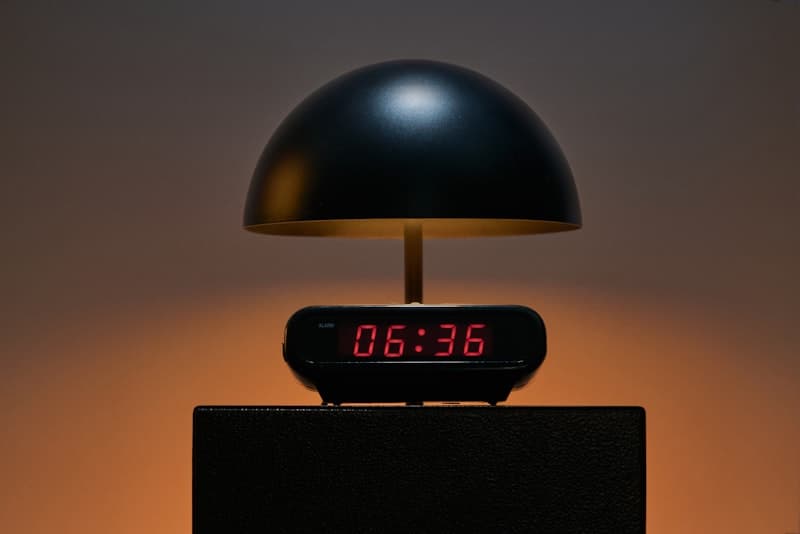
You know the feeling. Your phone starts screaming at 6:30 AM and your heart rate spikes before you even open your eyes. You fumble for the snooze button, drift off for nine minutes, and then it happens again. By the third cycle you are technically awake but your brain feels like it is packed in wet sand. Coffee does not fix it. A cold shower does not fix it. You drag yourself through the morning wondering why you still feel exhausted after eight hours of sleep.
What a lot of people miss: the problem is not how much you slept. The problem is how you woke up. A sudden, loud alarm does not care what sleep stage you are in. If you happen to be in deep sleep — the slow-wave N3 stage where your body does its deepest restoration — that alarm yanks you out of it like someone dumping ice water on your face. Your body scrambles to transition from unconsciousness to full alertness in seconds, and it is not designed to do that. The result is sleep inertia: the groggy, disoriented, cognitively sluggish state that can last anywhere from 15 minutes to over an hour.
This is exactly where the sunrise alarm clock vs phone alarm debate gets interesting. Sunrise alarm clocks — devices that use dawn simulation to gradually increase light in your room over 20 to 45 minutes before your wake time — have exploded in popularity since 2023. Google Trends shows the category growing at over 40% per year, with products from Hatch, Philips, Lumie, and Casper flooding the market. The broad "sunrise alarm clock" keyword pool now exceeds 110,000 searches per month.
But popularity does not equal effectiveness. Most comparison articles are product reviews dressed up as science. They tell you which device looks nicest on your nightstand but never explain what dawn simulation actually does to your melatonin, your cortisol awakening response, your sleep inertia, or your circadian rhythm. That is what this guide is for.
I went through the circadian rhythm research, the cortisol awakening response studies, the dawn simulation clinical trials, and the growing body of work on how blue light from phones disrupts sleep architecture. What I found is that sunrise alarm clocks and phone alarms are not just different gadgets — they produce completely different hormonal responses in your body when you wake up. The right choice depends on your sleep patterns, your living situation, and what exactly feels wrong about your mornings.
A quick note on how this guide fits into the bigger picture. We have already covered the supplement side in our magnesium for sleep vs melatonin comparison, the positional side in our side sleeper vs back sleeper guide, the pressure side in our weighted blanket vs regular blanket guide, the light-blocking side in our sleep mask vs blackout curtains comparison, and the sound side in our white noise vs brown noise for sleep guide. This guide tackles the sixth and final pillar: wake-up method — how the transition from sleep to wakefulness either supports or undermines everything else you have optimized.
Quick Answer — Are Sunrise Alarm Clocks Actually Effective?
Are sunrise alarm clocks effective? Yes — and the research backs this up more than you'd think. A sunrise alarm clock gradually increases light in your room over 20-45 minutes, simulating a natural sunrise to trigger your body's natural wake-up processes: cortisol awakening response, melatonin suppression, and core body temperature rise. A phone alarm delivers a sudden acoustic shock that jolts you awake regardless of your sleep stage, often triggering a stress response and pronounced sleep inertia. The difference between a gentle wake up alarm vs loud alarm health effects comes down to one thing: whether your body had time to prepare. Research on dawn simulation alarm clock benefits shows measurable reductions in sleep inertia, improved morning alertness, and a healthier cortisol rhythm. But it is not magic — the benefits depend on your sleep schedule, your room setup, and whether you are a heavy or light sleeper.
Think of it this way: a phone alarm is someone suddenly switching on the overhead light and shouting your name. A sunrise alarm clock is sunlight slowly filtering through the curtains. Both wake you up. But with one, your body is already prepared. With the other, the preparation has not started yet.
| Sunrise Alarm Clock | Phone Alarm | |
|---|---|---|
| Wake-up mechanism | Gradual light increase (dawn simulation) | Sudden sound (acoustic arousal) |
| Respects sleep stages | Yes — shifts you from deep to light sleep before waking | No — interrupts any stage, including deep sleep |
| Sleep inertia | Reduced — body is hormonally prepared | Often significant — forced transition |
| Cortisol response | Natural cortisol awakening response (CAR) | Stress-like spike, different from healthy CAR |
| Melatonin transition | Gradual suppression before waking | Abrupt — melatonin still active at wake-up |
| Blue light exposure | Controlled — warm to white spectrum during wake-up only | Uncontrolled — screen use before bed suppresses melatonin |
| Morning cognitive performance | Improved — studies show better alertness and reaction time | Variable — depends on sleep stage at wake-up |
| Cost | $30-$200 (one-time) | Free (already own a phone) |
| Convenience | Requires setup and consistent sleep schedule | Always available, works with irregular schedules |
| Best for | Consistent schedules, light sensitivity, SAD, sleep inertia | Irregular schedules, travel, zero budget |
The right choice is not as simple as the table makes it look. Let me walk you through the science so you can decide for yourself.
How Your Body Wakes Up — The Circadian Rhythm Science You Need to Know

Before we compare sunrise alarm clocks and phone alarms, you need to understand what your body is supposed to do when you wake up. Because the difference between a good morning and a terrible one is not about willpower. It is about hormones.
Your Body's Natural Wake-Up Sequence
Your circadian rhythm is not just a vague sense of being a "morning person" or a "night owl." It is a precise, hormone-driven sequence that prepares your body for wakefulness before you ever open your eyes. This is what happens in a natural, healthy wake-up:
Around 2 to 3 hours before your typical wake time, your melatonin production starts to decline. Melatonin — the hormone that signals darkness and sleepiness to every cell in your body — has been rising since evening, but now it begins dropping. This is not because you decided to wake up. It is because your suprachiasmatic nucleus (SCN), the master clock in your hypothalamus, has been tracking light patterns and knows morning is coming.
About 30 to 45 minutes before wake-up, your cortisol levels begin rising. This is the cortisol awakening response (CAR), and it is one of the most important — and most misunderstood — hormonal events in your day. Cortisol is not just a stress hormone. In the morning, it is an energy hormone. It mobilizes glucose, increases alertness, and prepares your brain for cognitive function. A healthy CAR involves a 50-75% increase in cortisol over the first 30-45 minutes after waking.
Simultaneously, your core body temperature rises. During deep sleep, your body temperature drops to its lowest point. As wake-up approaches, thermoregulatory centers in your brain begin raising it back toward normal, which is a physiological signal for alertness.
By the time you naturally wake up on a weekend — no alarm, no obligations — your body has already completed this preparation. Melatonin is low. Cortisol is climbing. Body temperature is up. Your brain has shifted from deep sleep to light sleep. You open your eyes and you feel ready. Not because you are disciplined, but because your hormones did the work before you were conscious.
This entire sequence is triggered by light. Your eyes contain specialized cells called intrinsically photosensitive retinal ganglion cells (ipRGCs) — the same cells we discussed in our sleep mask vs blackout curtains guide. These cells detect light and signal directly to your SCN. When they detect the pre-dawn increase in ambient light, they kick off the entire wake-up cascade. No light, no cascade. That is why waking up in a pitch-black room at 6 AM feels awful — your body never got the signal to start preparing.
The Cortisol Awakening Response (CAR) — Why It Matters for How You Wake Up
The CAR deserves a closer look because it is central to the sunrise alarm clock vs phone alarm debate. Research by Feder et al., published in Psychoneuroendocrinology, has shown that a healthy, well-timed CAR is associated with better morning cognitive performance, improved mood, and higher self-reported energy. A blunted or mistimed CAR — which can happen with chronic stress, shift work, or disrupted sleep — is associated with morning fatigue, difficulty concentrating, and even symptoms of depression.
This is the key thing to understand: the CAR is supposed to be a gradual process. Cortisol rises over 30-45 minutes, giving your brain and body time to transition smoothly from sleep to wakefulness. A phone alarm does not trigger the CAR. It triggers an acute stress response — a rapid spike in heart rate, blood pressure, and cortisol that is qualitatively different from the natural, gradual CAR. Brand et al., publishing in Biological Psychology, found that sudden acoustic arousal produces a different cortisol and autonomic nervous system pattern compared to natural awakening. The stress-like cortisol spike from a sudden alarm is shorter, sharper, and less sustained than a healthy CAR.
The result? You wake up with cortisol in your system, but it is the wrong pattern. Your heart is racing, but your brain is not actually alert. This mismatch is a core component of sleep inertia.
Think of it this way: a healthy CAR is like a dimmer switch slowly turning on the lights in a room. A phone alarm is like flipping every switch at once while simultaneously setting off a fire alarm. Both produce light, but one is usable and the other is chaos.
How Sunrise Alarm Clocks Work — Dawn Simulation Benefits and Gentle Awakening

A sunrise alarm clock takes the most direct approach to solving the wake-up problem: it gives your body the light signal it is designed to respond to, at the time it needs it, in the way it evolved to receive it.
What Is Dawn Simulation?
Dawn simulation is a technology that gradually increases light intensity in your room over 20 to 45 minutes before your target wake time, mimicking a natural sunrise. It was originally developed in the 1980s for treating seasonal affective disorder (SAD), but researchers quickly realized it had broader applications for sleep quality and morning alertness in healthy adults.
The mechanism works through the same ipRGC pathway we discussed earlier. As the light slowly increases, your ipRGCs detect it and begin signaling to your SCN. Your SCN responds by initiating the wake-up cascade: melatonin production starts declining, cortisol begins rising, core body temperature starts climbing, and your sleep stages shift from deep (N3) to light (N1/N2). By the time you open your eyes, your body has already transitioned through the same hormonal sequence it would experience with a natural sunrise.
This is the key insight: dawn simulation does not override your biology. It works with your biology. It triggers the exact same sequence your body uses naturally — it just does it on your schedule rather than the sun's.
What the Research Shows
The clinical evidence for dawn simulation is stronger than most people expect, and it comes from several well-designed studies.
Thompson et al. (2014), publishing in the Journal of Affective Disorders, studied dawn simulation in patients with seasonal affective disorder. They found that it significantly improved morning alertness, mood, and energy levels — with over twice the effect of a placebo condition. The researchers noted that the gradual light increase produced a "naturalistic" awakening pattern that supported healthy circadian regulation.
Gabel et al. (2013), in the Journal of Psychiatric Research, examined dawn simulation in healthy adults and found that it reduced sleep inertia and improved morning cognitive performance. Participants who woke with dawn simulation reported feeling more alert and performed better on reaction-time tests compared to those woken by a conventional alarm.
Viola et al. (2008), publishing in BMC Psychiatry, investigated blue-enriched white light and its effects on morning alertness, cognitive performance, and attention. Their findings suggested that the wavelength of light used matters — blue-enriched spectra may optimize the circadian response more effectively than warm white light alone. This has informed the design of newer sunrise alarm clocks that use specific wavelength ranges.
The honest caveat: the size of the effect varies. Dawn simulation works best for people who keep a relatively consistent sleep schedule, sleep in a room that is genuinely dark at night, and wake up during hours when it would still be dark outside. If you wake up at noon with sunlight streaming through your curtains, a sunrise alarm is not adding much your environment does not already provide.
Sunrise Alarm Clock Types
Not all sunrise alarm clocks are the same. The market has split into three distinct tiers, and the one you choose should match your needs and budget.
Basic sunrise alarms ($30-$80). These do one thing well: gradually increase light before your alarm time, then play a nature sound or beep at wake-up. Simple, reliable, and effective for the core dawn simulation function. The Philips Wake-Up Light HF3500 is the benchmark in this category — it has been around for years, it works consistently, and it costs around $40-$60.
Smart sunrise alarms ($80-$150). These add app control, customizable schedules, wind-down routines, and often a library of sounds. The Hatch Restore 2 dominates this category. You can program full sleep routines — a sunset dimming sequence to help you fall asleep, gradual light increase in the morning, and optional sound. The app lets you adjust everything without fumbling with buttons in the dark.
Premium sunrise alarms ($100-$200). These add sunset simulation (gradual light decrease at bedtime), white noise generation, sleep tracking, and the widest range of light settings. The Lumie Bodyclock Luxe and Casper Glow sit in this tier. They are designed for people who want the most complete light-based sleep environment — not just a wake-up device but a full circadian lighting tool.
| Feature | Basic | Smart | Premium |
|---|---|---|---|
| Dawn simulation | Yes (20-30 min) | Yes (customizable 10-45 min) | Yes (customizable) |
| Sunset simulation | No | Some models | Yes |
| Sound options | 2-5 nature sounds | 10+ sounds, white noise | 20+ sounds, custom playlists |
| App control | No | Yes | Yes |
| Sleep tracking | No | Some models | Yes |
| Max brightness | 200-300 lux | 300-500 lux | 300-500+ lux |
| Price range | $30-$80 | $80-$150 | $100-$200 |
| Best for | First-time users, budget-conscious | Tech-friendly, routine builders | SAD, shift workers, maximum optimization |
How Phone Alarms Affect Your Sleep Quality — The Blue Light Problem

Using your phone as an alarm clock seems harmless. It is free, it is always with you, and it works. But it introduces two problems that most people never connect to their morning grogginess: the blue light cycle and sudden acoustic arousal.
The Blue Light Exposure Cycle
The cycle goes like this. You set your phone alarm before bed, which means you are looking at your screen right before sleep. Your phone screen emits blue light in the 460-480 nanometer range — exactly the wavelength that your ipRGCs are most sensitive to. This is the same mechanism we covered in our sleep mask vs blackout curtains guide, but the phone alarm makes it worse because it keeps your phone on your nightstand all night.
Cho et al. (2014), publishing in the Journal of Clinical Endocrinology and Metabolism, found that exposure to moderate indoor light (around 100 lux — comparable to looking at a phone screen in a dark room) suppressed melatonin by approximately 71% and shortened melatonin duration by about 73 minutes. That is over an hour of sleep-signaling chemistry wiped out by the screen you are setting your alarm on.
Then there is the behavioral side effect. When your phone is your alarm, it is on your nightstand. That means it is within arm's reach at all times. Research on sleep hygiene consistently shows that having a phone within reach increases pre-sleep screen time, delays sleep onset, and increases the likelihood of nighttime phone checking. A study in Sleep Medicine found that participants who kept their phones in the bedroom — even face-down and on silent — had significantly worse sleep quality than those who left phones in another room. The mere presence of the device created a cognitive pull.
In the morning, the cycle continues. You wake up to the alarm, grab your phone, and immediately start scrolling. Within seconds of waking, you are exposing your eyes to bright blue light, checking notifications, and flooding your brain with information before your cortisol awakening response has even completed. Your morning goes from "gentle transition" to "information firehose" in under a minute.
Sudden Acoustic Arousal and Sleep Inertia
The sound itself is the other half of the problem. A phone alarm delivers a sudden, intense acoustic stimulus regardless of what sleep stage you are in. If you are in REM sleep, you might transition relatively smoothly. But if you are in N3 — the deep, slow-wave sleep stage — the alarm forcibly drags your brain out of its most restorative state.
Sleep inertia is the technical term for what happens next. It is a period of reduced cognitive capacity, impaired alertness, and diminished motor function that lasts 15 to 60 minutes after forced awakening from deep sleep. Research published by Roach et al. (2002) in the Journal of Sleep Research demonstrated that sudden awakening from deep sleep produces significantly worse sleep inertia than awakening from light sleep. The researchers found that cognitive performance immediately after forced awakening could be as impaired as being legally drunk.
The military has studied this extensively because it matters for soldiers who need to wake up and perform complex tasks at a moment's notice. Research funded by the U.S. Army and published in Aviation, Space, and Environmental Medicine found that sleep inertia after sudden awakening from deep sleep impaired decision-making, reaction time, and situational awareness for up to 30 minutes.
Your phone alarm does this to you every single morning. It is not that the alarm is dangerous — it is that it is suboptimal. It forces a transition that your body could handle smoothly if given the right conditions.
The Snooze Button Cycle — Why It Makes Everything Worse
If you are a chronic snoozer, this section is for you. Hitting snooze does not give you more rest. It actually makes sleep inertia worse.
The reason is straightforward. When the alarm goes off and you hit snooze, your brain starts the wake-up transition — cortisol begins rising, sleep-driving neurotransmitters start declining. Then you fall back asleep. Nine minutes later, the alarm fires again, but now your brain has to restart the entire transition from scratch. You have not been asleep long enough to complete a sleep cycle, so you enter a fragmented, low-quality state that is neither sleep nor wakefulness.
Research has shown that snooze-button users experience longer and more intense sleep inertia than people who wake up once. Each snooze cycle trains your brain to associate the alarm sound with the relief of going back to sleep, which weakens the alarm's effectiveness over time. You end up needing louder alarms, multiple alarms, or alarms placed across the room — all of which reinforce the stress-based wake-up pattern.
If you need three snoozes to feel functional, you are not getting better sleep. You are just fragmenting it more.
Sunrise Alarm Clock vs Phone Alarm — Head-to-Head Comparison

Now let me put them side by side across every dimension that matters.
| Feature | Sunrise Alarm Clock | Phone Alarm |
|---|---|---|
| Wake-up mechanism | Gradual light increase (dawn simulation) | Sudden acoustic stimulus |
| Sleep stage consideration | Shifts from deep to light sleep before waking | No consideration — wakes from any stage |
| Sleep inertia | Reduced — hormonal preparation complete | Significant — especially if woken from deep sleep |
| Cortisol response | Supports natural CAR (gradual 50-75% increase) | Triggers stress-like spike (rapid, different pattern) |
| Melatonin transition | Gradual suppression before wake-up | Abrupt — melatonin may still be elevated at wake |
| Blue light exposure | Controlled, warm-to-white during wake-up only | Uncontrolled — screen use before bed and at wake |
| Morning cognitive performance | Improved — studies show better alertness | Variable — depends on sleep stage at alarm time |
| Mood and energy | Higher — natural hormone transition | Lower — stress response and sleep inertia |
| Impact on partner | Minimal with light-only mode | Sound wakes partner |
| Cost | $30-$200 (one-time purchase) | $0 (already own phone) |
| Setup | Requires placement and programming | None — already in use |
| Portability | Low — stays on nightstand | Excellent — always with you |
| Schedule flexibility | Best with consistent schedule | Works with any schedule |
| Additional features | Sunset simulation, sounds, sleep routines | Apps, sleep tracking, smart home integration |
| SAD / seasonal depression | Evidence-supported benefit | No direct benefit |
| Durability | 3-7+ years | Phone lifecycle (2-4 years) |
| Power dependency | Needs outlet (battery backup on some models) | Battery-dependent |
A few dimensions deserve a closer look.
Sleep inertia. This is where sunrise alarm clocks have their strongest advantage. Dawn simulation shifts your sleep stages from deep to light before you wake, meaning the transition to wakefulness starts from a much less disruptive baseline. Research by Gabel et al. (2013) showed measurable reductions in sleep inertia with dawn simulation compared to conventional alarms. If your main complaint is morning grogginess, this is the single most relevant difference.
Cortisol response quality. The CAR from a sunrise alarm clock is qualitatively different from the cortisol spike of a phone alarm. One supports your natural circadian rhythm. The other triggers an acute stress response. Over days and weeks, this difference may compound — research in Psychoneuroendocrinology suggests that chronic disruption of the CAR is associated with fatigue, low mood, and metabolic dysfunction.
Blue light. The phone alarm creates a double blue-light exposure: before bed (when you set the alarm and inevitably scroll) and at wake-up (when you immediately check notifications). A sunrise alarm clock breaks this cycle by removing the phone from the bedtime equation entirely.
Cost and convenience. The phone alarm wins here, and it is not close. It is free, it is always available, it adapts to any schedule, and it works when you travel. A sunrise alarm clock requires an upfront investment and works best with a consistent wake time. If you travel frequently or have an irregular schedule, the phone alarm's flexibility is a genuine advantage.
Does a Sunrise Alarm Clock Work for Heavy Sleepers? (And Other Specific Needs)

Not everyone has the same wake-up challenge. Your sleep type, your schedule, and your health all affect which alarm works better for you. This is a breakdown by specific need.
Heavy Sleepers — Will a Sunrise Alarm Actually Wake You?
This is the most common concern, and it is a valid one. The light from a sunrise alarm clock typically reaches 300-500 lux at maximum brightness. Direct sunlight is 32,000-100,000 lux. Even on a cloudy morning, natural outdoor light produces 1,000-2,000 lux. So yes, the artificial sunrise is dimmer than the real thing.
For light sleepers, 300-500 lux is more than enough. The gradual increase triggers the hormonal wake-up cascade and they come to consciousness naturally, often before the light reaches maximum brightness. For heavy sleepers — people who sleep through thunderstorms, who need multiple alarms, who can sleep through their phone ringing — light alone might not be enough.
The solution is straightforward: use a sunrise alarm clock with a sound backup. The light begins 30 minutes before your target wake time, shifting your sleep stages and initiating your hormonal wake-up sequence. Then, at the target time, a gentle sound starts. Because your body has already been preparing for 30 minutes, the sound does not need to be loud or jarring. You are already in light sleep when it plays.
Models like the Hatch Restore 2 and Philips SmartSleep offer this light-plus-sound combination. It is the best of both worlds: the physiological preparation of dawn simulation with the reliability of an acoustic backup. For anyone searching for the best sunrise alarm clock for heavy sleepers, this dual approach is what works.
Seasonal Affective Disorder (SAD) and Winter Depression
This is where dawn simulation has its strongest clinical backing, because it was originally developed specifically for this purpose. Seasonal affective disorder is linked to disrupted circadian rhythms during winter months, when reduced daylight delays melatonin offset, blunts the cortisol awakening response, and shifts the entire sleep-wake cycle later.
Thompson et al. (2014), in the Journal of Affective Disorders, found that dawn simulation produced significant improvement in 56% of SAD patients — a response rate comparable to some forms of light therapy and antidepressant medication, but without side effects. The mechanism involves restoring the normal timing of the CAR and melatonin cycle, both of which get disrupted during the dark winter months.
If you are wondering does a sunrise alarm clock work for winter depression, the clinical data is encouraging. If you experience winter depression, difficulty waking on dark mornings, or low energy during shorter days, dawn simulation is one of the most evidence-supported non-pharmacological tools available. That said, if you are experiencing symptoms of depression — seasonal or otherwise — please talk to a healthcare professional. Dawn simulation is a complement to professional treatment, not a replacement.
Shift Workers — Can Sunrise Alarms Help?
Shift workers face a unique challenge: they need to wake up when their circadian rhythm is screaming that it is time to sleep. Night shift workers who sleep during the day are fighting every biological signal their body produces. This is where combining a sunrise alarm clock with proper light management becomes powerful.
The device creates an artificial dawn in a room that would otherwise be dark or — worse — lit by daylight filtering through curtains. By controlling the light environment at both ends — blocking daylight during sleep with blackout curtains or a sleep mask, and creating an artificial sunrise at wake-up — shift workers can create a functional circadian environment even when their schedule is inverted.
The key is consistency. Dawn simulation works best when your wake time is regular, even if that "morning" happens at 4 PM. Your circadian rhythm adapts to patterns, not clock times.
Kids and Teens
Teenagers have a biological tendency toward delayed sleep phase — their circadian rhythm naturally shifts later, making them want to go to bed later and wake up later. This is not laziness. It is biology. The problem is that school schedules do not accommodate this shift, creating a chronic mismatch between when teens need to wake up and when their bodies want to.
A sunrise alarm clock can help by providing a strong, consistent light signal that gradually shifts the circadian rhythm earlier. Over 2-3 weeks of consistent use, the regular dawn simulation can advance the sleep phase, making it easier for teens to fall asleep earlier and wake up earlier.
For younger children, products like the Hatch Rest (which combines a night light, sound machine, and time-to-wake indicator) are designed specifically for kids who are too young to read a clock. The device changes color when it is okay to get up, giving children a visual cue without requiring them to understand time.
Choosing the Right Alarm — Device Comparison and Practical Guide

Once you have decided which approach fits your situation, the next question is which specific device or app to use. This is a practical breakdown.
Sunrise Alarm Clocks ($30-$200)
| Device | Price | Key Features | Best For |
|---|---|---|---|
| Philips Wake-Up Light HF3500 | $30-$60 | 20-min sunrise, 2 nature sounds, tap-to-snooze | Budget-conscious, first-time users |
| Hatch Restore 2 | $80-$130 | App-controlled sunrise/sunset, custom routines, sound library, smart features | Tech-friendly users wanting full sleep routines |
| Lumie Bodyclock Luxe | $150-$200 | Sunset simulation, widest lux range, white noise, multiple light settings | SAD treatment, shift workers, maximum optimization |
| Philips SmartSleep | $100-$170 | Environment sensor, light + sound programs, sunset feature | Data-driven users wanting environmental feedback |
| Casper Glow | $100-$130 | Portable light, flip to snooze, gentle wind-down, motion-activated | Design-conscious users, secondary bedside light |
Phone Alarm Apps with Smart Features (Free-$15/month)
If you are not ready to invest in a dedicated sunrise alarm clock, several phone apps offer features that improve on the standard phone alarm experience.
| App | Price | Key Features |
|---|---|---|
| Sleep Cycle | Free / $10/mo | Sleep stage tracking, smart alarm (wakes during light sleep), sleep quality analysis |
| Loóna | Free / $12/mo | Wind-down routines, relaxation sessions, sunrise alarm simulation |
| Rise Science | $5/mo | Circadian rhythm tracking, optimal wake windows, sleep debt management |
| Apple Sleep / Google Clock | Free | Basic smart alarm, sleep schedule, wind-down shortcuts |
The limitation of all phone apps: they still require your phone to be near your bed, which means the blue light and behavioral side effects remain. A sleep tracking app combined with a dedicated sunrise alarm clock gives you the data benefits of the phone without the wake-up drawbacks. If you are comparing a wake up light alarm clock vs regular alarm apps, the dedicated device wins on sleep quality even though the phone wins on convenience.
Hybrid Approach — Best of Both Worlds
The most effective setup for many people is not choosing one or the other. It is using both strategically.
Use your phone for sleep tracking. Apps like Sleep Cycle use your phone's accelerometer or microphone to detect sleep stages and identify when you are in light sleep. Use this data to set your sunrise alarm clock's timing — if the app shows you typically enter light sleep around 6:15 AM, set the sunrise to begin at 5:45 AM so the light catches you in the right stage.
Keep your phone away from your bed. Plug it in across the room or in the bathroom. Use it only as a tracking device, not as your primary alarm. Let the sunrise alarm clock handle the actual wake-up.
Some smart sunrise alarms — like the Hatch Restore 2 — integrate both functions, offering sleep tracking alongside dawn simulation. This eliminates the need for two devices entirely.
Which Should You Choose? Goal-Based Recommendation
Forget the abstract debate. The right alarm depends on what is actually wrong with your mornings.
| Your Situation | Best Choice | Why |
|---|---|---|
| Morning grogginess / sleep inertia | Sunrise alarm clock | Gradual light awakening reduces sleep inertia; studies show measurable improvement |
| Budget constraint ($0) | Phone alarm + smart app | Sleep Cycle or Rise Science can wake you during light sleep for free |
| Heavy sleeper | Sunrise alarm + sound backup | Light preps your body, sound ensures you wake — best of both worlds |
| Light sleeper | Sunrise alarm (light only) | You may not even need sound; the light alone will wake you |
| Shift worker | Sunrise alarm + blackout curtains | Artificial dawn + controlled darkness = functional circadian rhythm on any schedule |
| Seasonal depression / SAD | Sunrise alarm clock | Dawn simulation has the strongest clinical evidence for SAD |
| Frequent traveler | Phone alarm + smart app | Portability and schedule flexibility matter more than dawn simulation |
| Teen / student | Sunrise alarm clock | Helps regulate delayed sleep phase and align wake time with school schedule |
| Shared bedroom | Sunrise alarm clock (light only) | Wakes you without disturbing your partner |
| Irregular schedule | Phone alarm + smart app | Flexibility to change wake times daily |
| Overall best approach | Sunrise alarm + phone sleep tracking | Dawn simulation for wake-up quality + sleep data for optimization |
My Honest Recommendation
If you wake up groggy every morning despite getting enough sleep, a sunrise alarm clock is one of the highest-impact investments you can make. Start with the Philips Wake-Up Light HF3500 at around $50 — it does the core dawn simulation job reliably. If you want more features, the Hatch Restore 2 at $130 gives you customizable routines, sunset wind-down, and app control.
But the part most guides skip: the sunrise alarm clock will not reach its full potential if your phone is still on your nightstand. The blue light, the notifications, the impulse to scroll — they undermine the circadian optimization the device provides. Move your phone across the room. Use it for sleep tracking if you want, but let the sunrise alarm clock handle the wake-up.
This is the sixth pillar of sleep optimization, and it works best when the other five are in place. For supplements, see our magnesium for sleep vs melatonin guide. For position, see our side sleeper vs back sleeper guide. For pressure, see our weighted blanket vs regular blanket guide. For light, see our sleep mask vs blackout curtains comparison. For sound, see our white noise vs brown noise for sleep guide. And for bedroom air quality — which affects sleep more than most people realize — our air purifier vs humidifier guide covers the appliance side of your sleep environment.
When all six pillars are aligned — right supplements, right position, right pressure, right light, right sound, and right wake-up method — the effects compound. Your weighted blanket calms your nervous system through your skin. Your sleep mask protects your melatonin from light disruption. Your white or brown noise calms through your ears. Your sunrise alarm clock eases your brain into wakefulness through the same light pathway. They are not redundant. They are complementary pathways to the same goal: a night of genuinely restorative sleep followed by a morning where you actually feel awake.
Frequently Asked Questions
Are sunrise alarm clocks actually effective?
Yes — and the research backs this up more than you'd think. Dawn simulation — the gradual increase of light before your wake-up time — has been studied in clinical settings since the 1990s. Research published in the Journal of Affective Disorders by Thompson et al. (2014) found that dawn simulation significantly improved morning alertness, mood, and energy levels. A study by Gabel et al. (2013) in the Journal of Psychiatric Research demonstrated reduced sleep inertia and improved cognitive performance in the morning. The mechanism is well understood: gradual light exposure suppresses melatonin, triggers the cortisol awakening response, and shifts your body from deep sleep to light sleep before you wake up. This is a fundamentally different approach from a sudden alarm that jolts you awake from any sleep stage.
Do sunrise alarm clocks work for heavy sleepers?
They can, but heavy sleepers may need the sound backup option. The light from a sunrise alarm clock reaches 300-500 lux at maximum brightness — enough to trigger your circadian wake-up response but not always enough to pull a very heavy sleeper out of deep sleep. The best approach for heavy sleepers is to use a sunrise alarm with a gradual sound backup: the light begins 30 minutes before your target wake time, and a gentle sound starts at the target time. This gives your body the hormonal preparation from the light while ensuring you actually wake up. Models like the Hatch Restore 2 and Philips SmartSleep offer this combination.
Can a sunrise alarm clock help with seasonal depression (SAD)?
Yes, and this is actually what dawn simulation was originally developed for. Research by Thompson et al. (2014) published in the Journal of Affective Disorders found that dawn simulation produced significant improvement in 56% of SAD patients, comparable to some light therapy approaches. The mechanism involves restoring the normal cortisol awakening response and melatonin cycle that gets disrupted during winter months when natural light is limited. If you experience winter depression, difficulty waking in dark mornings, or low energy during shorter days, a sunrise alarm clock is one of the most evidence-supported non-pharmacological interventions available. If you are experiencing symptoms of depression, please consult a healthcare professional.
Is waking up to a phone alarm bad for you?
Not inherently bad, but suboptimal compared to gradual light-based awakening. The main issues are: (1) sudden acoustic arousal triggers a stress response — heart rate spike, blood pressure increase, cortisol surge — that is qualitatively different from natural awakening; (2) phone alarms often wake you during deep sleep stages, causing pronounced sleep inertia that can last 15-60 minutes; (3) using your phone as an alarm keeps it at your bedside, increasing the likelihood of pre-sleep screen time that delays sleep onset by suppressing melatonin. The phone itself is not harmful — the problem is the sudden, stage-disruptive awakening pattern and the behavioral side effects of having a screen next to your bed.
How does the cortisol awakening response differ between alarm types?
This is where the science gets particularly interesting. The normal cortisol awakening response (CAR) is a gradual 50-75% increase in cortisol over the first 30-45 minutes after waking. It prepares your brain for alertness and cognitive function. A sunrise alarm clock supports this natural CAR by gradually shifting your hormones before you wake — melatonin decreases, cortisol begins rising, body temperature increases. When you open your eyes, the CAR is already in progress. A phone alarm interrupts this process entirely. If you are in deep sleep, the sudden arousal can produce a sharp, stress-like cortisol spike that is qualitatively different from the gradual CAR. Research by Brand et al. in Biological Psychology suggests this different cortisol pattern may contribute to morning anxiety and grogginess in some people.
What is the best sunrise alarm clock?
It depends on your needs. For budget and simplicity, the Philips Wake-Up Light HF3500 ($30-$60) offers reliable dawn simulation with natural sound options. For smart features and sleep routines, the Hatch Restore 2 ($130) offers app-controlled light and sound programs, wind-down routines, and sunrise customization. For SAD and maximum light therapy, the Lumie Bodyclock Luxe ($180-$200) offers the widest lux range and sunset simulation. For heavy sleepers, any model with a sound backup option paired with the dawn simulation light works best.
Can I use both a sunrise alarm clock and my phone?
Yes, and this hybrid approach is increasingly popular and effective. Use your phone for sleep tracking — apps like Sleep Cycle track your sleep stages and identify the optimal wake window — but keep it away from your bed and use the sunrise alarm clock as your actual wake-up device. This gives you the data benefits of phone tracking with the gentle awakening of dawn simulation. Some smart sunrise alarms (like the Hatch Restore 2) integrate both functions, eliminating the need for two devices.
How long does it take to adjust to a sunrise alarm clock?
Most people notice a difference within the first 3-5 days, but the full benefit typically emerges over 2-3 weeks. During the first few days, you may still rely on the sound backup if your body has not adapted to the light-based awakening. By the end of week two, most users report waking naturally before the sound alarm activates, feeling more refreshed, and experiencing less morning grogginess. The adjustment period is shorter if your room is genuinely dark at night — which is where our sleep mask vs blackout curtains guide comes in.
The Bottom Line
Sunrise alarm clocks and phone alarms are not competitors. They are completely different wake-up technologies, and the right one depends on your situation.
A sunrise alarm clock uses dawn simulation to work with your biology — triggering the same hormonal sequence your body would experience with a natural sunrise. Melatonin declines. Cortisol rises gradually. Your sleep stages shift from deep to light. You wake up with your body already prepared, which means less sleep inertia, better cognitive performance, and a genuinely different quality of morning energy. If you are tired of waking up feeling like you were hit by a truck, this is the technology designed to fix that.
A phone alarm is free, convenient, and always available. It works on any schedule, travels anywhere, and costs nothing. But it forces a stress-based wake-up that ignores your sleep stages, disrupts your cortisol awakening response, and keeps a blue-light-emitting screen within arm's reach at all hours. For most people, it is the default option — not because it is the best option, but because it is the one that requires zero effort.
My honest take: if you wake up groggy every morning and have never tried a sunrise alarm clock, spend $50 on a Philips Wake-Up Light. Give it two weeks. If it does not change your mornings, return it. But based on the research — and the experience of millions of users — there is a very good chance it will. Just remember to move your phone to the other side of the room.
This guide completes our six-pillar approach to sleep optimization. For supplements, see our magnesium for sleep vs melatonin guide. For position, see our side sleeper vs back sleeper guide. For pressure, see our weighted blanket vs regular blanket guide. For light, see our sleep mask vs blackout curtains comparison. For sound, see our white noise vs brown noise for sleep guide. And for wake-up method — you just read it.
Have you tried a sunrise alarm clock? Did it change your mornings? Drop a comment below — I read every one.
Found this helpful? Share it with someone who hates their alarm, and check out our other science-backed sleep guides below.
You might also like:
- Magnesium for Sleep vs Melatonin: Which Actually Works?
- Side Sleeper vs Back Sleeper: Which Is Healthier?
- Weighted Blanket vs Regular Blanket: Which Helps You Sleep Better?
- Sleep Mask vs Blackout Curtains: Which Actually Blocks More Light?
- White Noise vs Brown Noise for Sleep: Which One Actually Helps?
This article is for informational purposes only and is not intended as medical advice, diagnosis, or treatment. Always consult a qualified healthcare professional before making changes to your sleep routine, especially if you have seasonal affective disorder, chronic insomnia, shift work sleep disorder, or other sleep-related conditions.
Resistance Bands vs Free Weights: Which Builds More Muscle? (Science-Backed 2026 Guide)
Next →Turmeric vs Curcumin: What's the Real Difference and Which Should You Take? (2026 Guide)
Related Posts
Weighted Blanket vs Regular Blanket: Which Actually Helps You Sleep Better? (Science-Backed 2026)
Sleep Mask vs Blackout Curtains: Which Actually Blocks More Light for Better Sleep? (2026 Guide)